Looking for a haunted New Orleans itinerary that covers the best ghost stories, historic hotels, and cemeteries in just two days? This itinerary below will cover it all, based on my October 2022 trip with Sandy and our friends, plus several other visits over the years. It starts in the French Quarter and ends in the Garden District, with haunted hotels, ghost tour tips, and a few spots to refuel along the way (which you definitely want to do in NOLA)! If you prefer to do it at your own pace over several days, check out my blog post on 18 Haunted Places in New Orleans: A Self-Guided Tour.
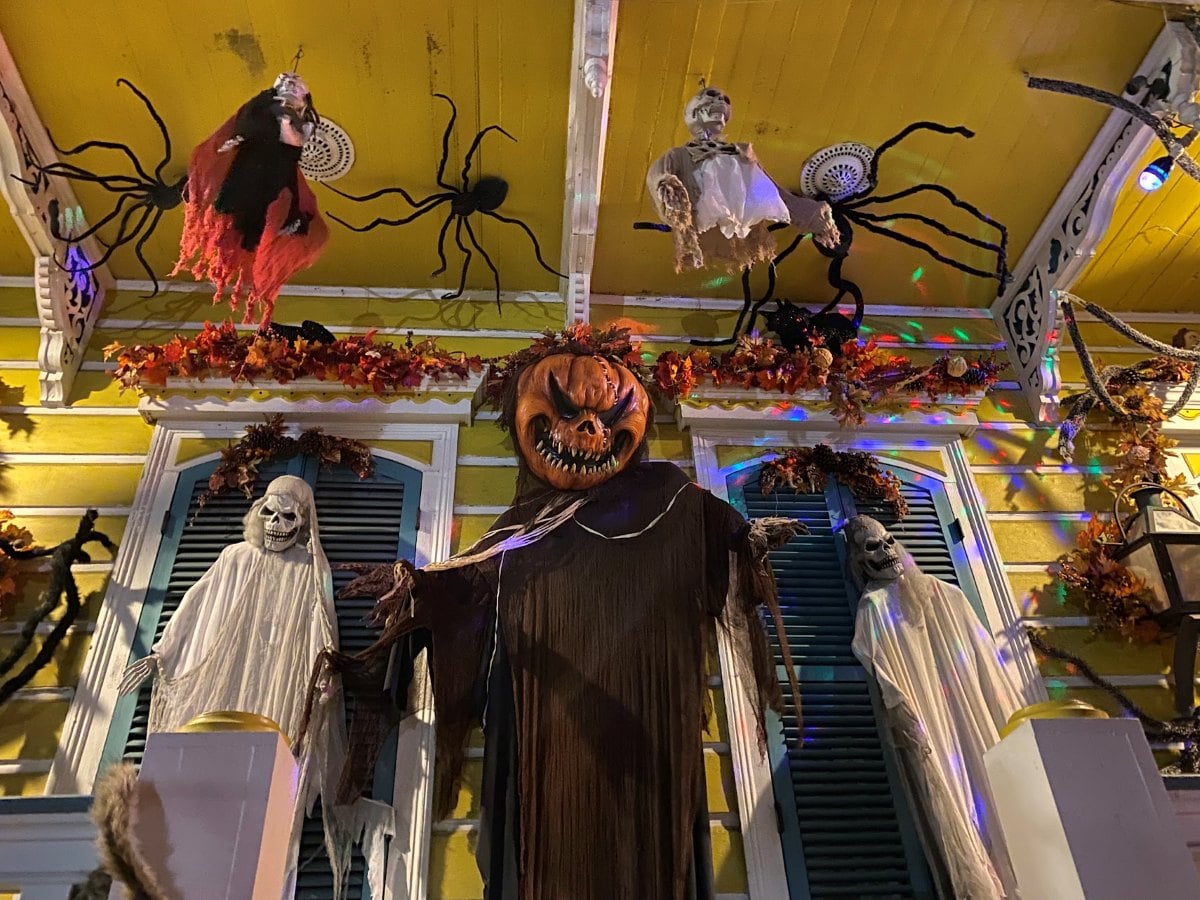
There’s something about visiting haunted places in October that makes spooky season even more fun, and New Orleans knows how to embrace Halloween. Skeletons hang off French Quarter balconies, and the Halloween decor is everywhere. I’d always wanted to visit in October for the spooky vibes, and it did not disappoint. You don’t have to visit in October to enjoy this itinerary, though. The haunted landmarks, historic cemeteries, and ghost stories are in the Big Easy year-round.
New Orleans is my favorite city in America. Between the history, architecture, food, music, and atmosphere, there’s something about this city that keeps me coming back. I love it so much that I even named my dog Nola! And while this itinerary focuses on the city’s haunted history, it’s just one of the many things that make the Big Easy so special.
Affiliate Disclosure: Some of the links on this site are affiliate links. This means we may earn a small commission at no extra cost to you if you make a purchase through them. Read the policies to know more.
Day 1: Explore the Haunted French Quarter
The French Quarter is the perfect place to begin. Its historic buildings, narrow streets, and centuries of history are the source of many of the city’s ghost stories, and most of today’s stops are within walking distance of each other.
Morning: Jackson Square and St. Louis Cathedral
Start at Jackson Square, one of the most recognizable landmarks in New Orleans. It’s surrounded by historic buildings, artists, and street performers, and it’s home to the classic NOLA photo: the statue of Andrew Jackson with St. Louis Cathedral standing tall behind it. The square is generally open daily from morning until early evening, with hours varying by season.
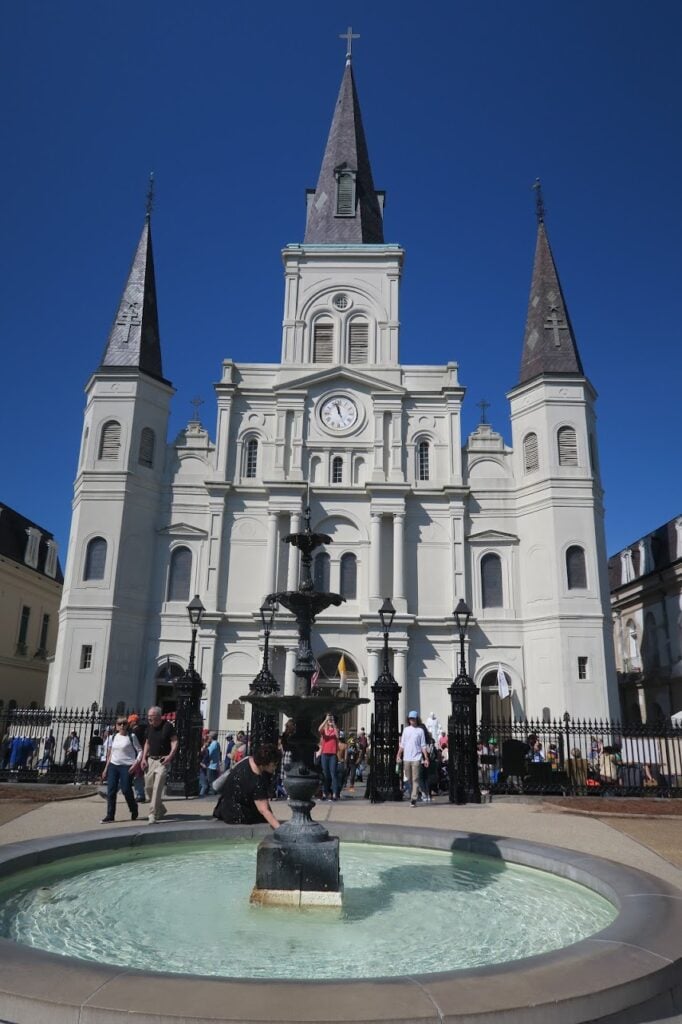
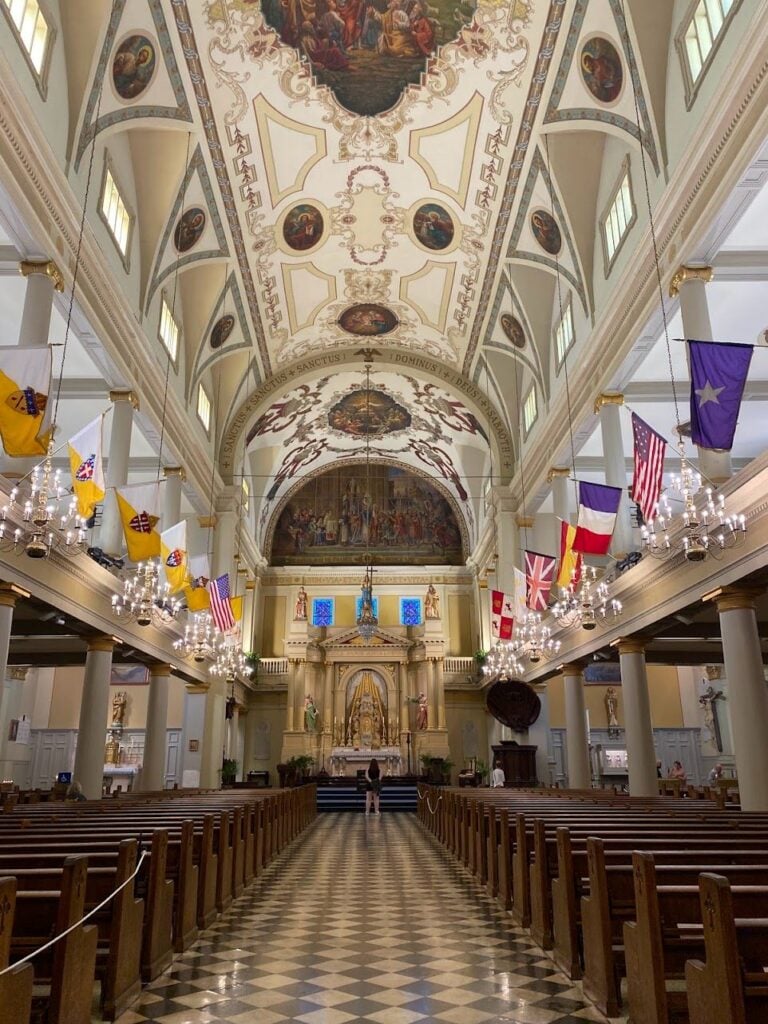
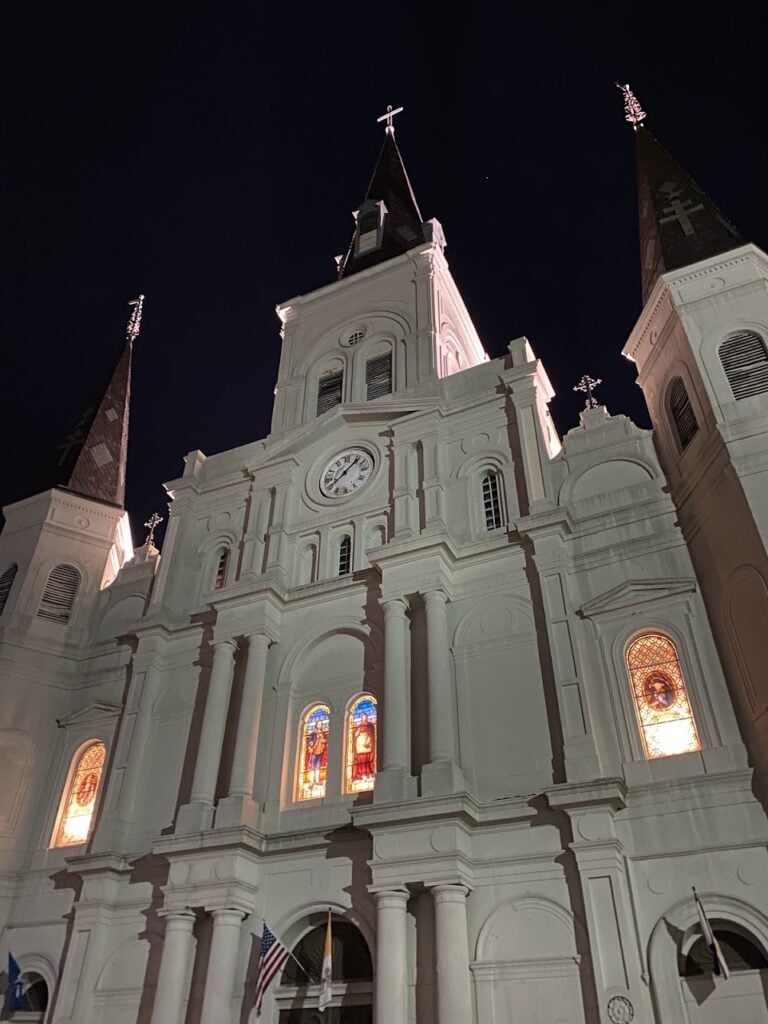
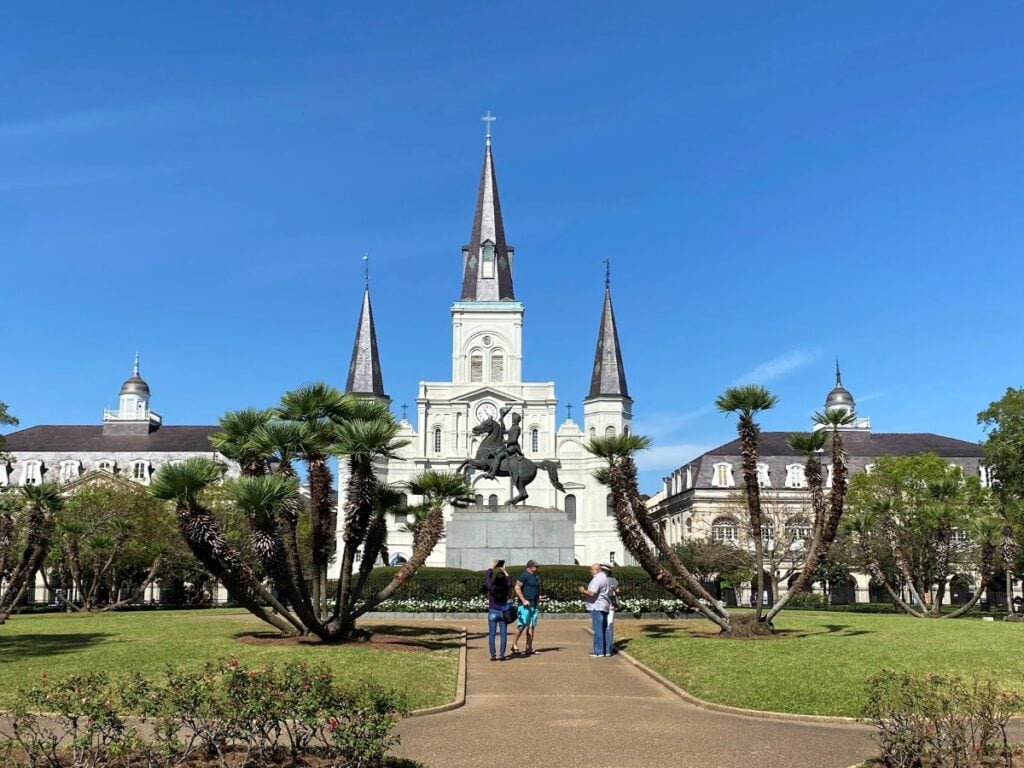
Overlooking the square is St. Louis Cathedral, built on one of the oldest continuously active Roman Catholic cathedral sites in the country. Its ghost stories involve two former clergymen, Père Antoine and Père Dagobert. Visitors say Père Antoine walks the grounds, especially along the alley named for him, while Père Dagobert’s voice is said to echo through the corridors on rainy days as he chants.
The interior is worth seeing even if you’re not into the paranormal. When I visited, you could pick up a $1 brochure with a self-guided tour, though hours can change around services and events, so check before you go.
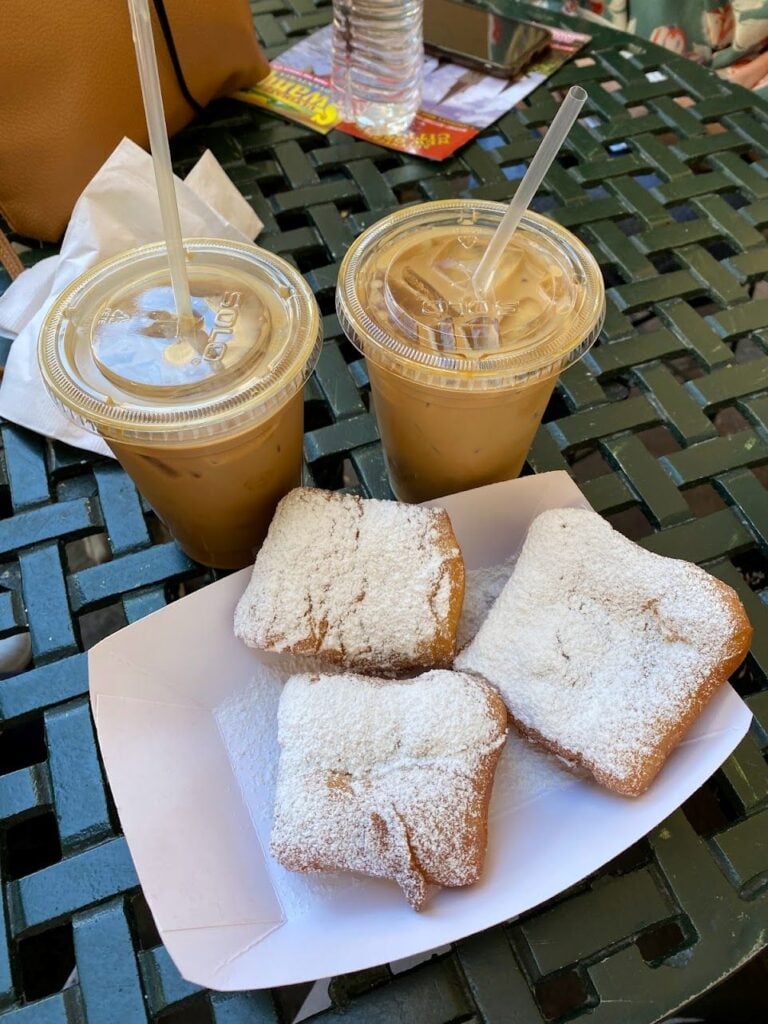
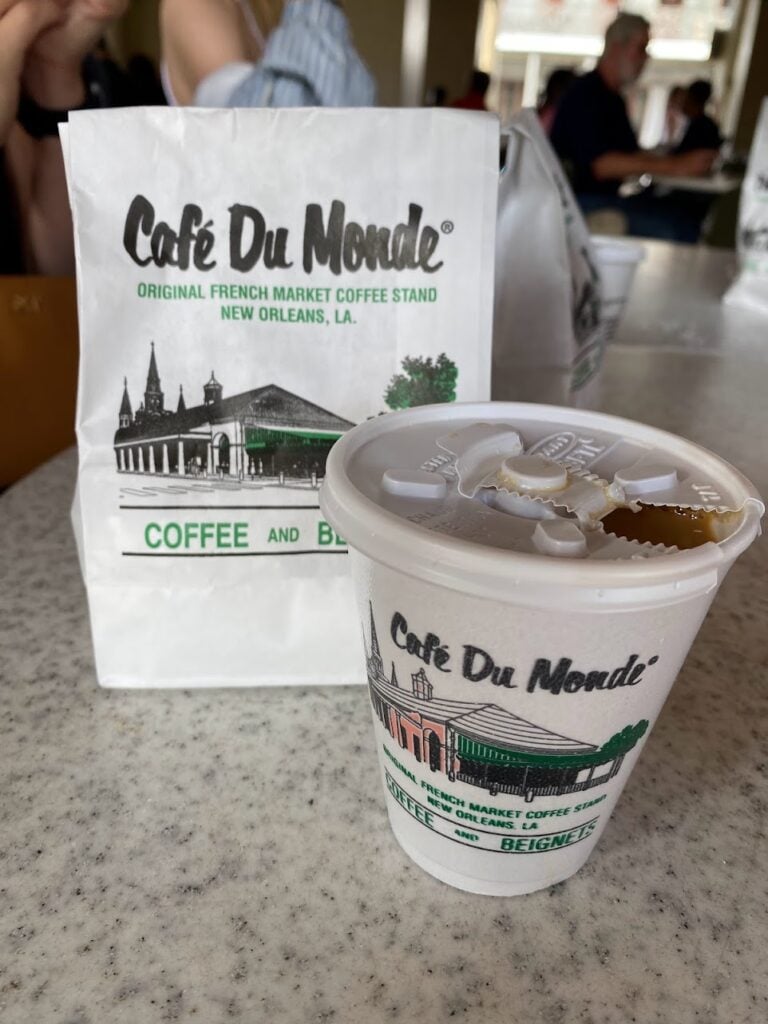
Travel tip: Grab coffee and beignets at Café du Monde across the street from Jackson Square (on the side of the Mississippi River) before you start your day. It’s a classic New Orleans experience you shouldn’t skip. Keep in mind that the dark-roasted coffee is a chicory blend, so it’s a bit strong! Cafe Beignet is another great place to go (I actually prefer it over Café du Monde) and there are tons of locations across the Crescent City and in the French Quarter.
Late Morning: Pirate’s Alley
Just steps from the cathedral is Pirate’s Alley, and it’s my favorite spot in the French Quarter. This one-block passage between Jackson Square and Royal Street feels like something out of another century.
Legends say pirates like Jean Lafitte once gathered here, and that his ghost haunts the alley along with the spirit of William Faulkner, who lived nearby in the 1920s. The pirate connection is more folklore than documented history, but the old-world atmosphere is real.
Today the alley is home to Pirate’s Alley Café, a charmingly spooky pirate-themed bar known for pub food and absinthe, and to Faulkner House Books. Bring cash: the cafe was cash-only when I visited, so check before you go. Note: I also recommend coming here at night, it brings the extra spooky vibes! But for the convenience of the itinerary, I noted it for late morning.
Brunch/Lunch: Muriel’s Jackson Square or Vampire Cafe
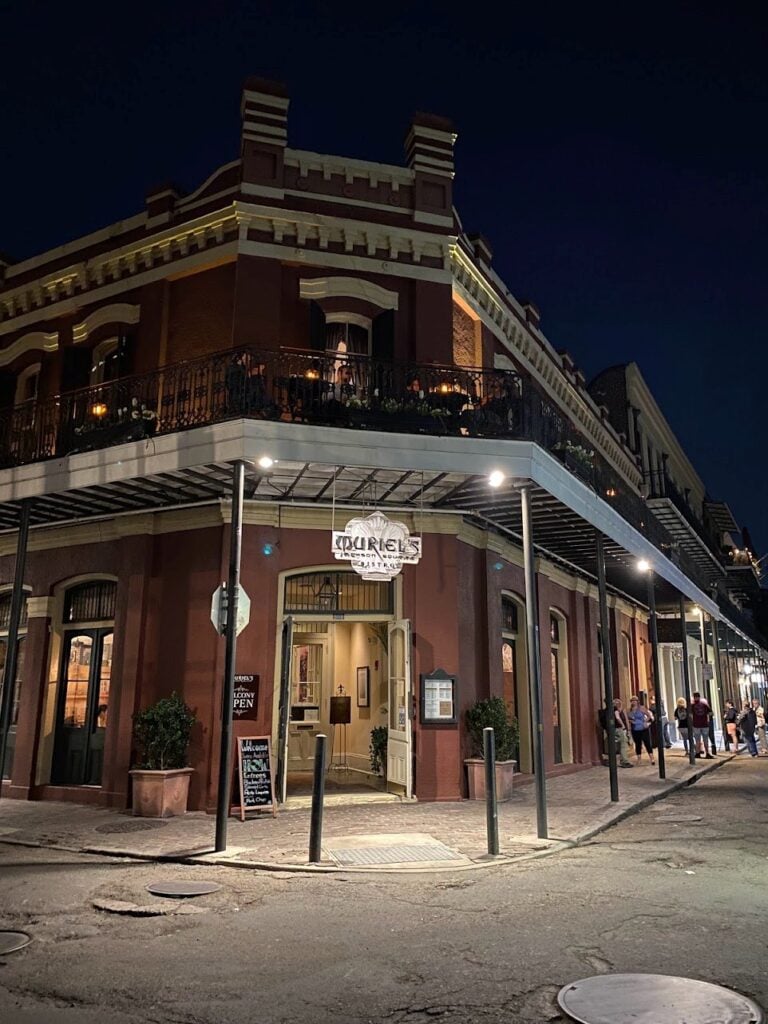
Across from the cathedral, Muriel’s Jackson Square is one of the most haunted restaurants in New Orleans. I love the vibe here! If you can go when there is a Jazz Brunch, even better.
The building’s resident spirit is said to be Pierre Antoine Lepardi Jourdan, a former owner who died there in the early 1800s after losing the property in a poker game. The restaurant honors him by setting a table with bread and wine every night.
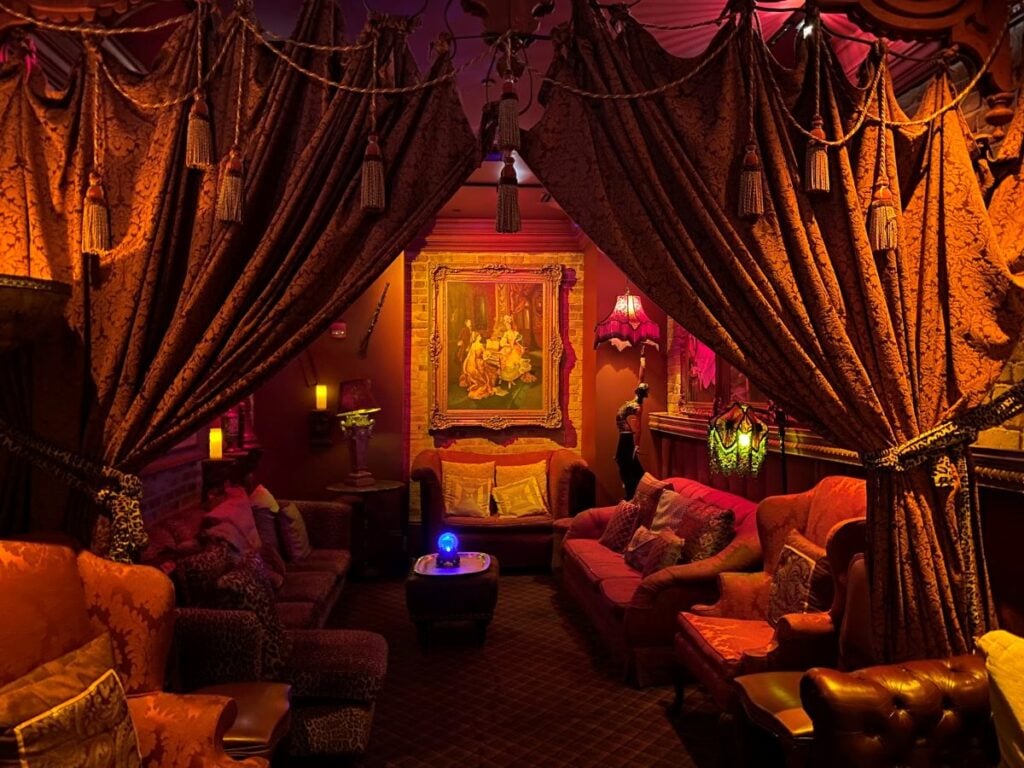
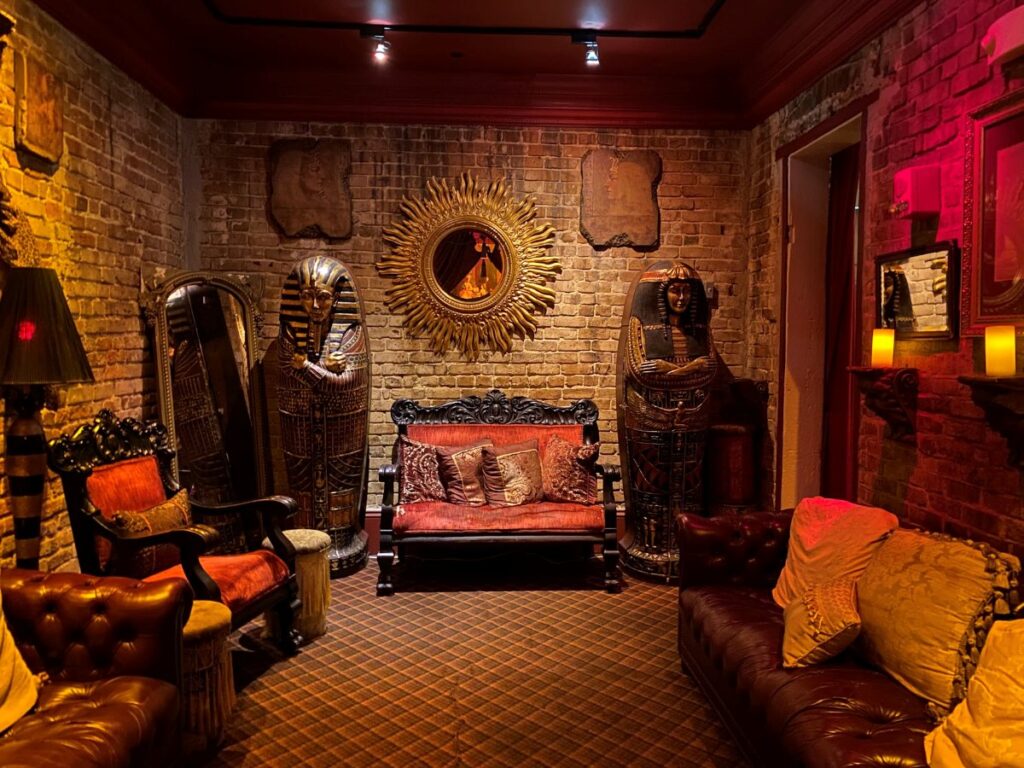
Upstairs is the Séance Lounge, a dimly lit, Egypt-inspired room with brick walls, sarcophagus statues, and a red velvet settee. It’s one of the most atmospheric rooms I’ve seen in the city. Guests have reported shadowy figures, unexplained voices, and knocking in the lounge. The restaurant is also great for brunch, cocktails, or balcony views of Jackson Square.
Looking for another spooky dining experience? Stop by the New Orleans Vampire Café on Royal Street, where the vampire-inspired atmosphere and themed menu make it a fun addition to your haunted adventures.”
Travel tip: Make a reservation, especially in October or on weekends. You can book Muriel’s here.
Early Afternoon: Andrew Jackson Hotel and Place d’Armes Hotel
After lunch, visit two of the French Quarter’s famously haunted hotels.
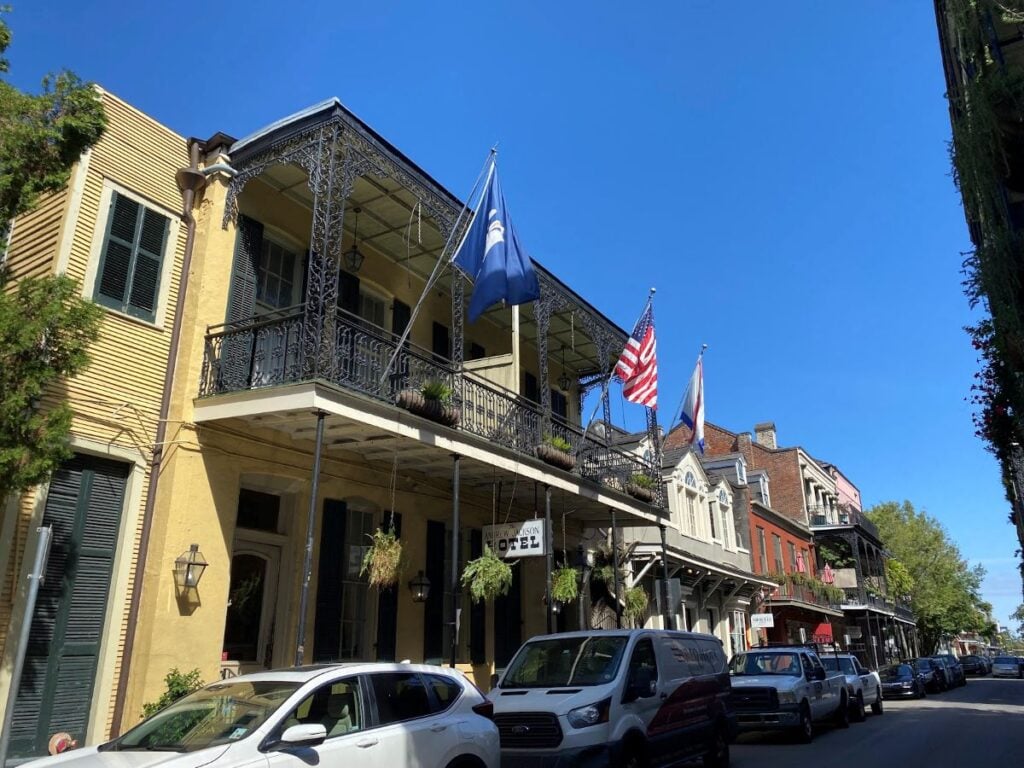
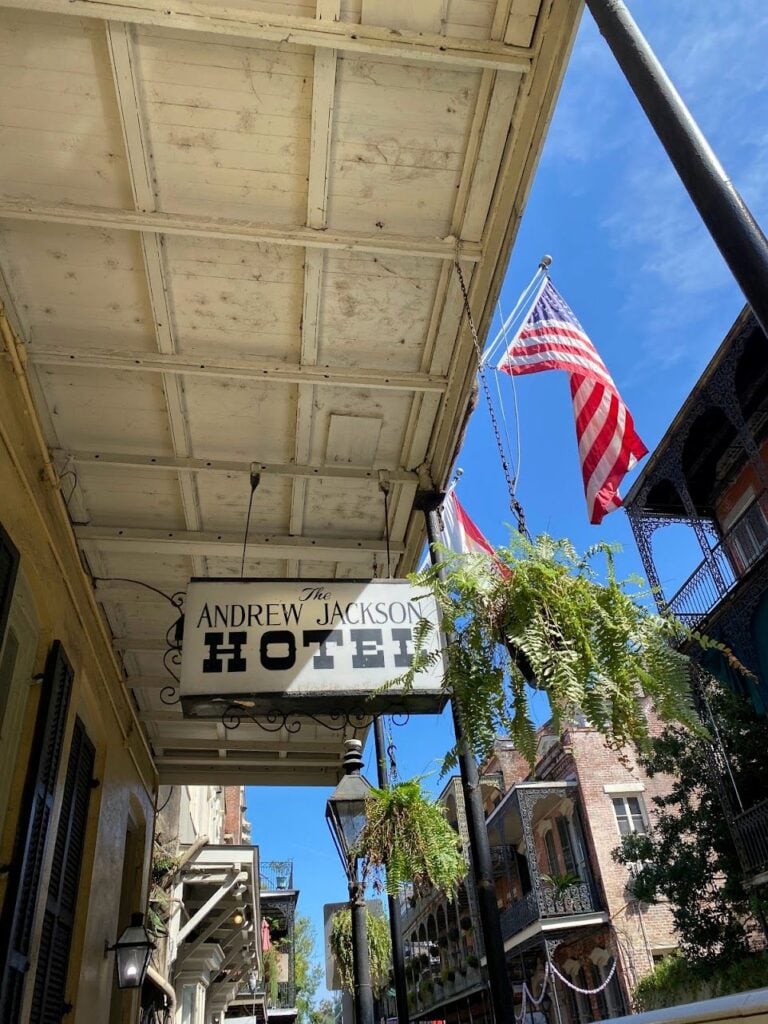
The Andrew Jackson Hotel at 919 Royal Street is considered one of the most haunted hotels in the city. The site once housed a boys’ school and orphanage, and a fire in 1794 reportedly claimed the lives of five young boys. Guests report hearing children’s laughter and footsteps, and Room 208 is said to be especially active, with flickering lights and faucets turning on by themselves.
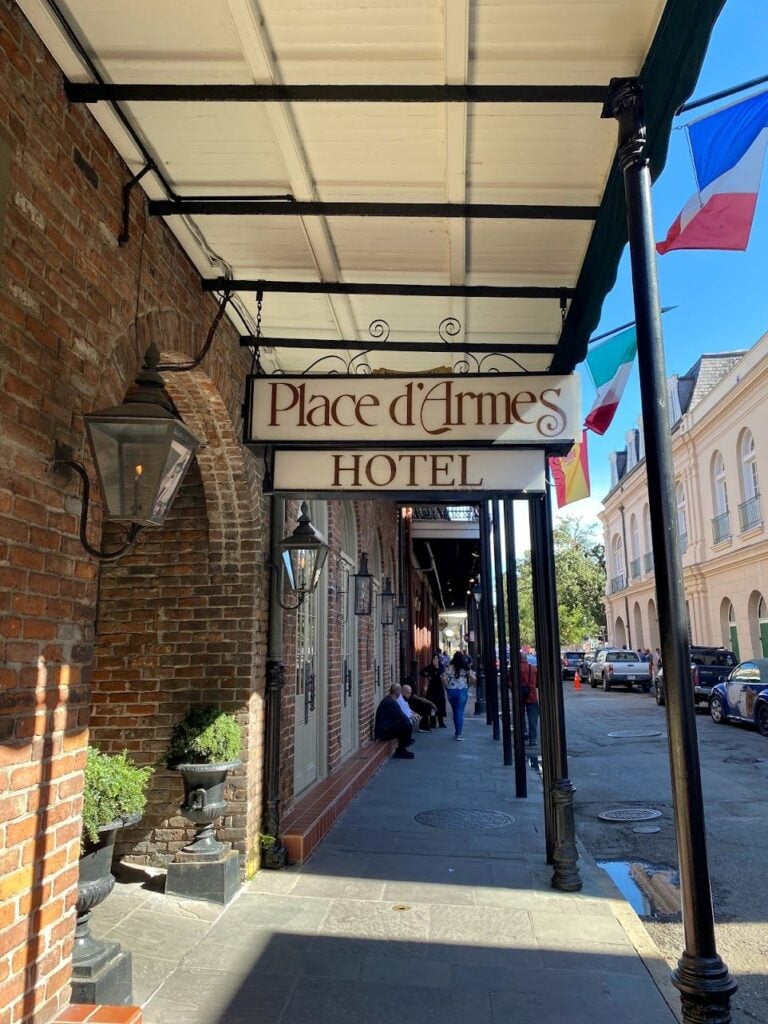
A few blocks away at 625 St. Ann Street is Place d’Armes Hotel, built in 1725 as the Capuchin School, which was destroyed by fire in 1788. Guests tell stories of a young girl in old-fashioned clothing who asks about her grandmother and then vanishes, as well as footsteps, laughter, and furniture moving in empty rooms.
Both are working hotels, so interior access is generally for guests, but the exteriors and signs make for great photos. If you want to stay, you can book the Andrew Jackson Hotel or Place d’Armes Hotel here.
Afternoon: The LaLaurie Mansion
One of the most infamous buildings in New Orleans is the LaLaurie Mansion at 1140 Royal Street. A fire in 1834 revealed the brutal torture of enslaved people held inside by Madame Delphine LaLaurie, and an outraged crowd ransacked the home. The documented history is disturbing enough on its own.
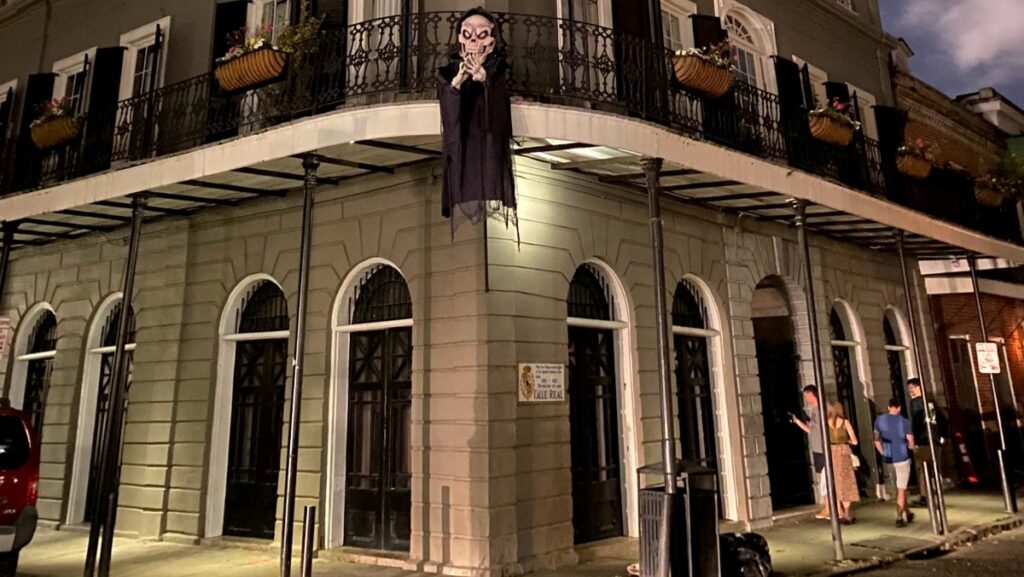
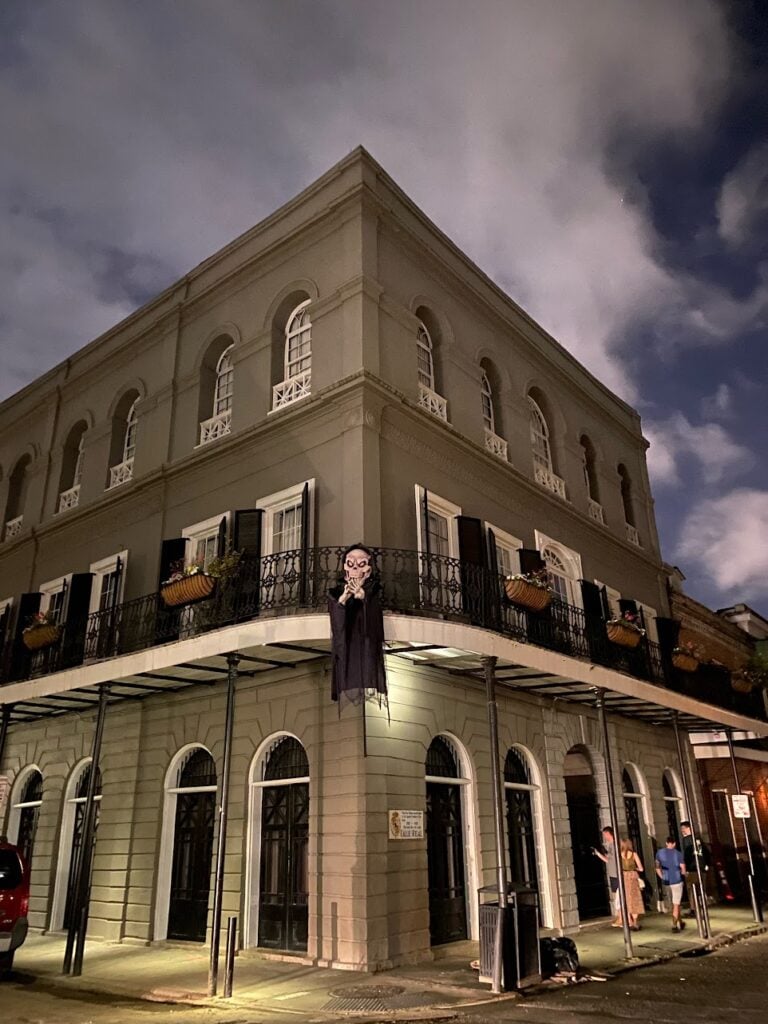
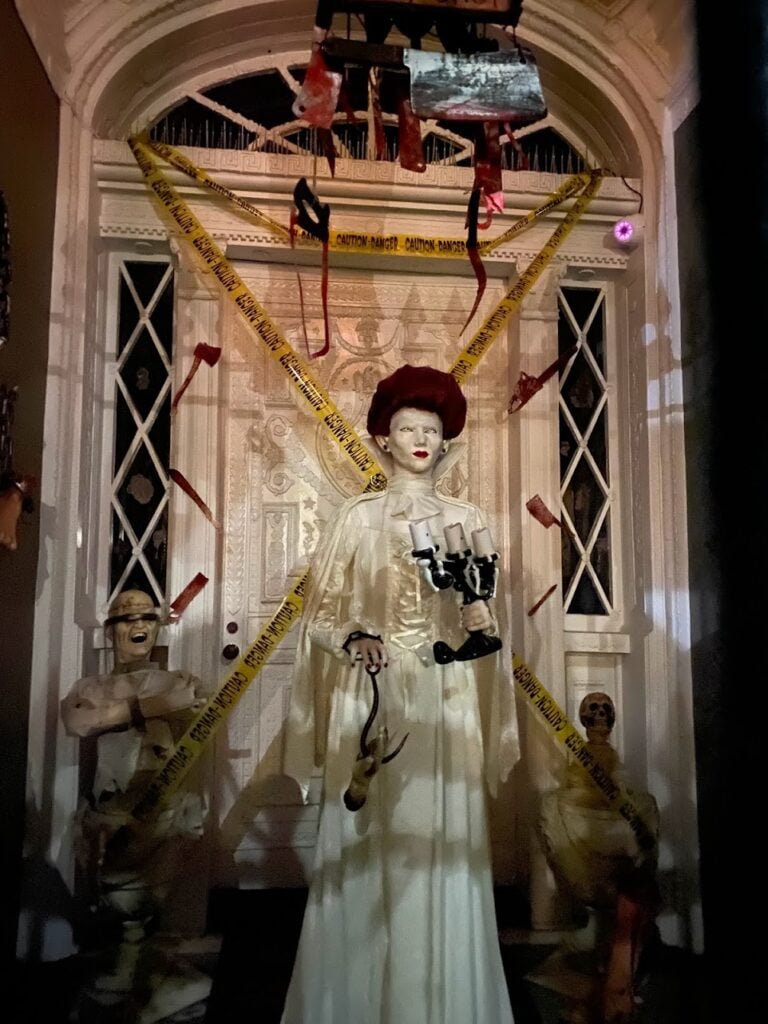
The mansion is a regular stop on ghost tours and has appeared in American Horror Story: Coven. Stories of apparitions and unexplained sounds are folklore rather than verified events. The home is privately owned, so you can only view the exterior from the sidewalk. I’d suggest seeing it at night as well, when it’s at its eeriest.
Late Afternoon: Old Ursuline Convent
Continue to the Old Ursuline Convent at 1112 Chartres Street. Completed in the 1750s, it’s one of the oldest surviving buildings in the Mississippi River Valley.
It’s also tied to the legend of the “Casket Girls,” young French women who arrived in Louisiana carrying their belongings in small trunks, which later inspired vampire stories. The women were real, but the vampire legend came much later, and many people argue the convent isn’t truly haunted at all. You can admire it from the outside or book a tour to decide for yourself.
Evening: Lafitte’s Blacksmith Shop Bar
As the sun sets, head to Lafitte’s Blacksmith Shop Bar on Bourbon Street. It’s one of the oldest buildings in the French Quarter and is often called the oldest bar in the country. Its connection to Jean Lafitte and his brother Pierre is debated, but the dim, candlelit interior makes it one of the most atmospheric bars in the city.
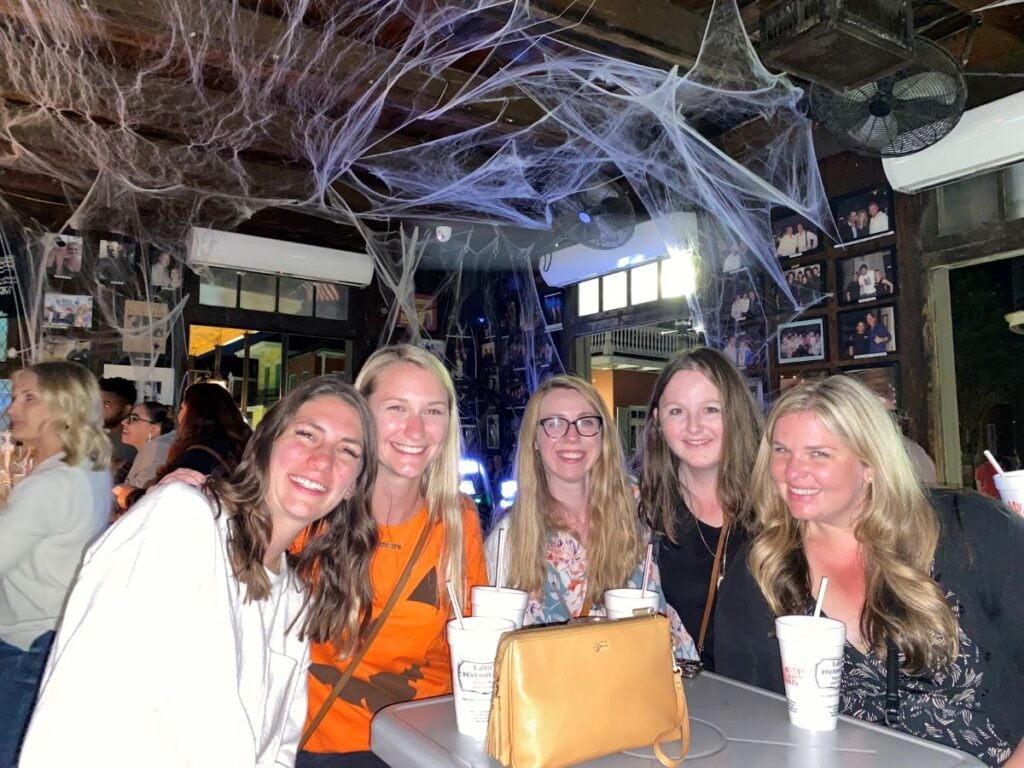
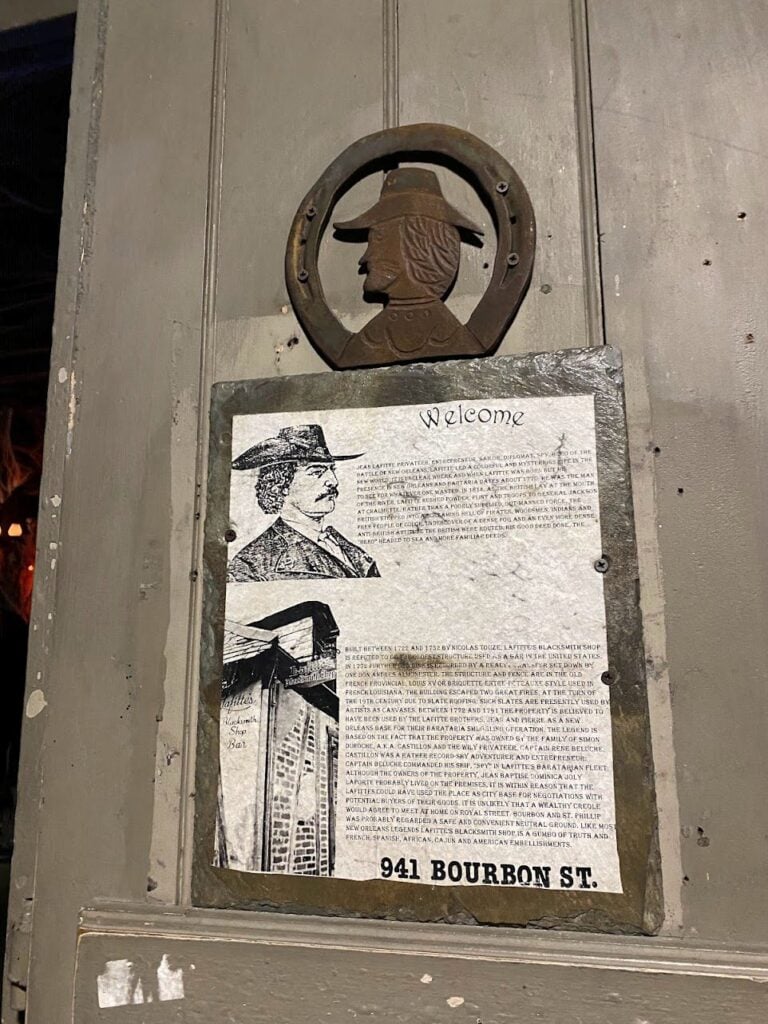
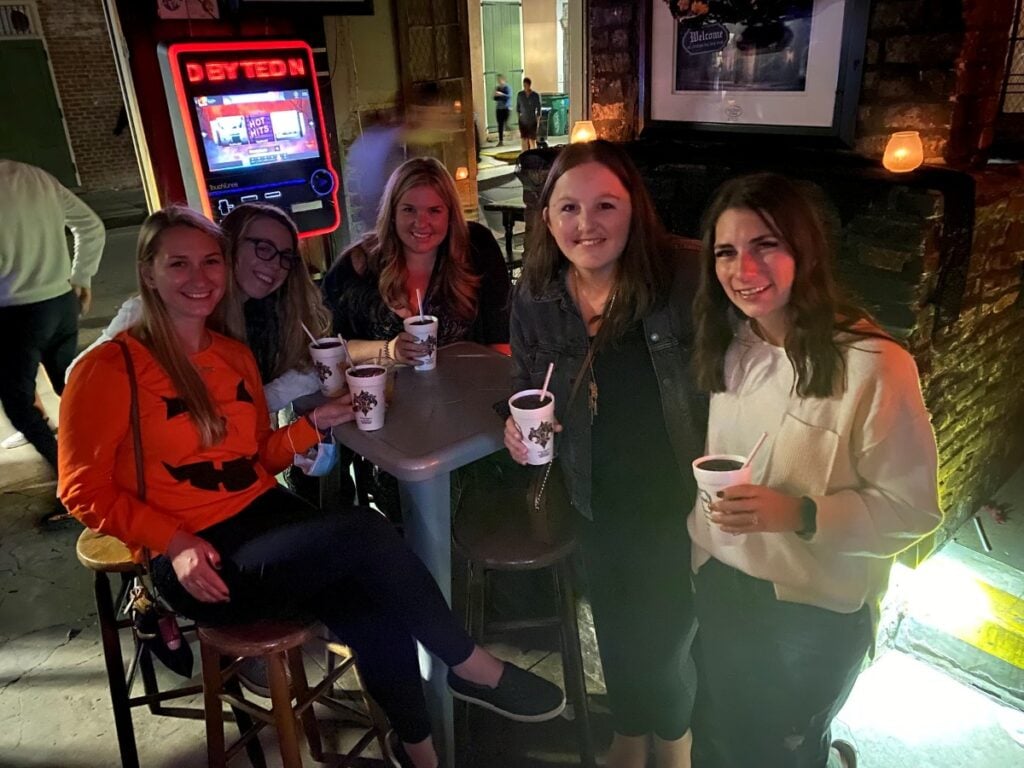
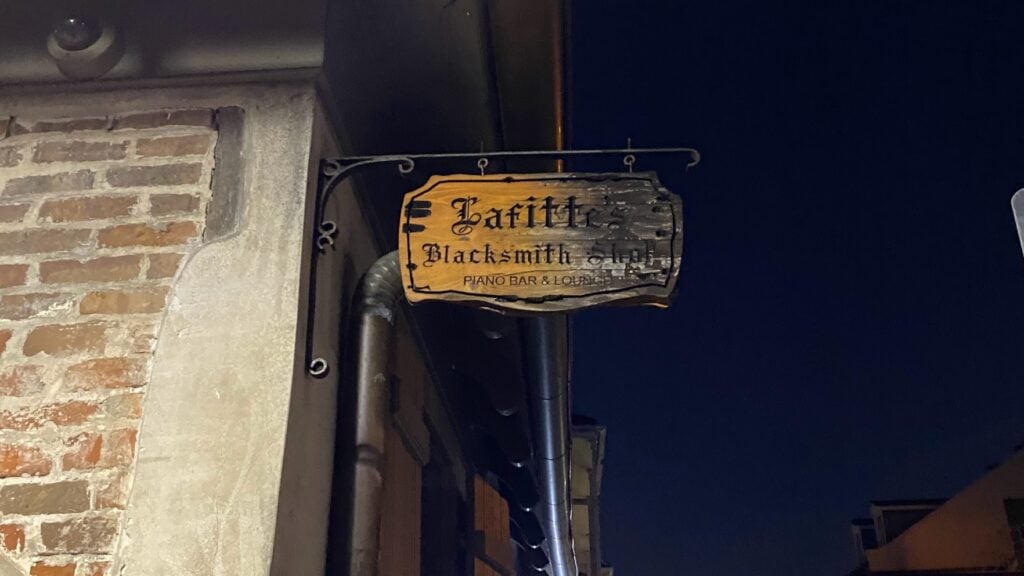
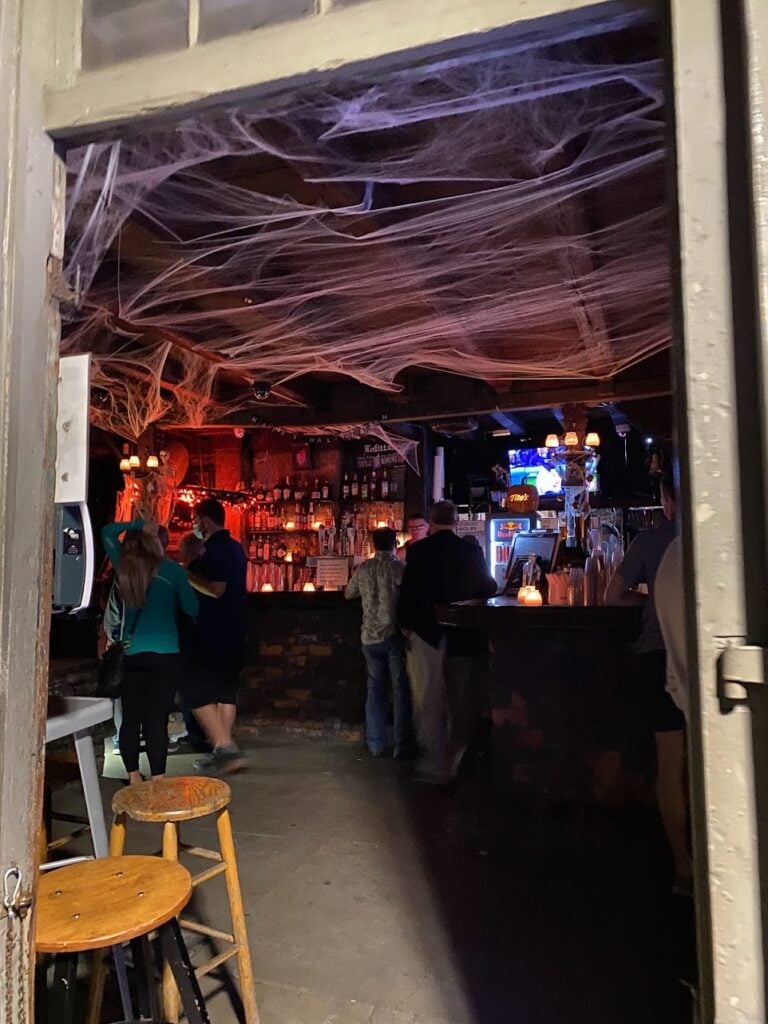
Visitors report cold spots, the smell of tobacco, and a ghostly sailor near the first-floor fireplace. It’s so cool to have a drink in a building like this. Last time I went, they made it a full blown piano bar at night time. I’d recommend trying the signature VooDoo Daiquiri, the famous Purple Drink! It’s a delicious slushie.
Night: Bourbon Street and a Ghost Tour
No trip to New Orleans is complete without walking Bourbon Street at night, even if you’re not there to party. If you’re visiting in October, keep an eye out for the elaborate Halloween decorations (may be worth seeing in the daytime too for a better look at details). Pat O’Brien’s, with its skeleton-covered balcony, was one of my favorites. It’s also known for its dueling pianos and its hurricane cocktail.
To end your first day, book a guided ghost tour. Hearing the stories at night, after you’ve seen the places in daylight, is a completely different experience. I recommend U.S. Ghost Adventures and Ghost City Tours, which both have many offerings.
Day 2: Historic Cemeteries, a Medical Museum, VooDoo, and the Garden District
On day two, you’ll visit one of the city’s most famous cemeteries, explore some unusual medical history, and see the beautiful mansions of the Garden District.
Morning: St. Louis Cemetery No. 1
Start at St. Louis Cemetery No. 1 at 425 Basin Street. Established in 1789, it’s the oldest cemetery in New Orleans, known for its above-ground tombs. Its residents include Marie Laveau, the legendary Voodoo practitioner, and Homer Plessy of Plessy v. Ferguson. Actor Nicolas Cage bought a white pyramid-shaped tomb here, which you can spot from the gate. Visitors have long associated the cemetery with ghost sightings and supernatural stories, but its history, burial traditions, and cultural significance are just as fascinating as the legends.
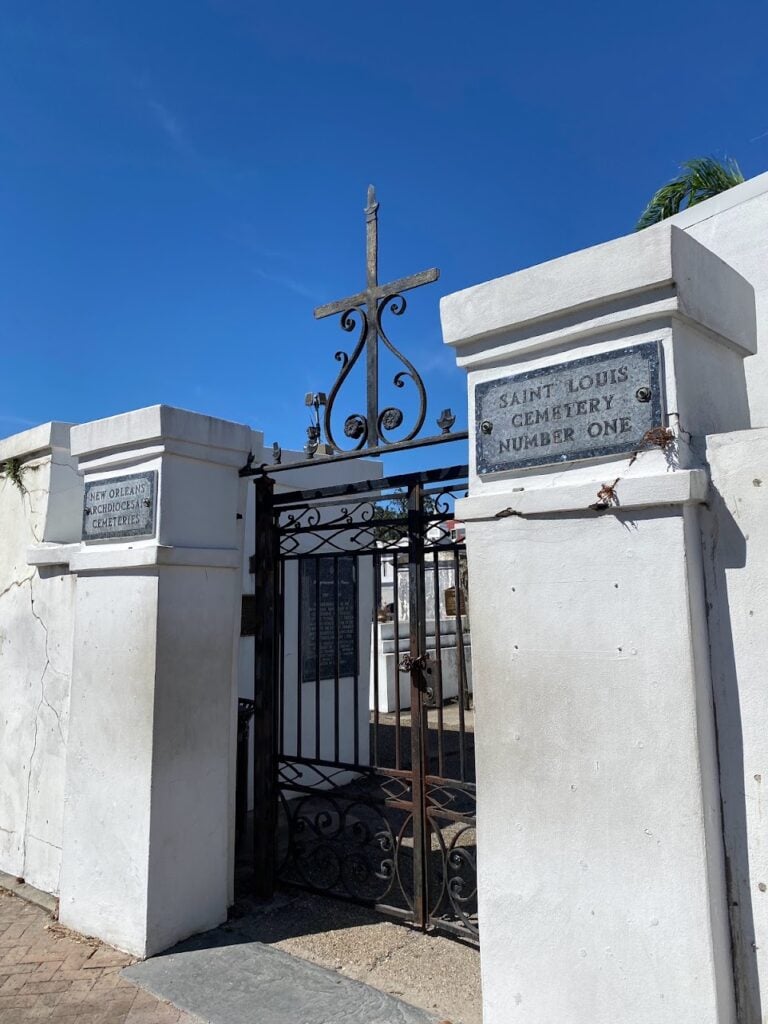
Important: The cemetery is open to visitors through authorized guided tours rather than independent exploration, so book your tour in advance.
I’d also consider mentioning the New Orleans Historic Voodoo Museum as an optional stop elsewhere in your itinerary. That gives readers who are interested in learning more about Voodoo as a living religious tradition an opportunity to explore its history beyond the ghost stories.
Late Morning: New Orleans Pharmacy Museum
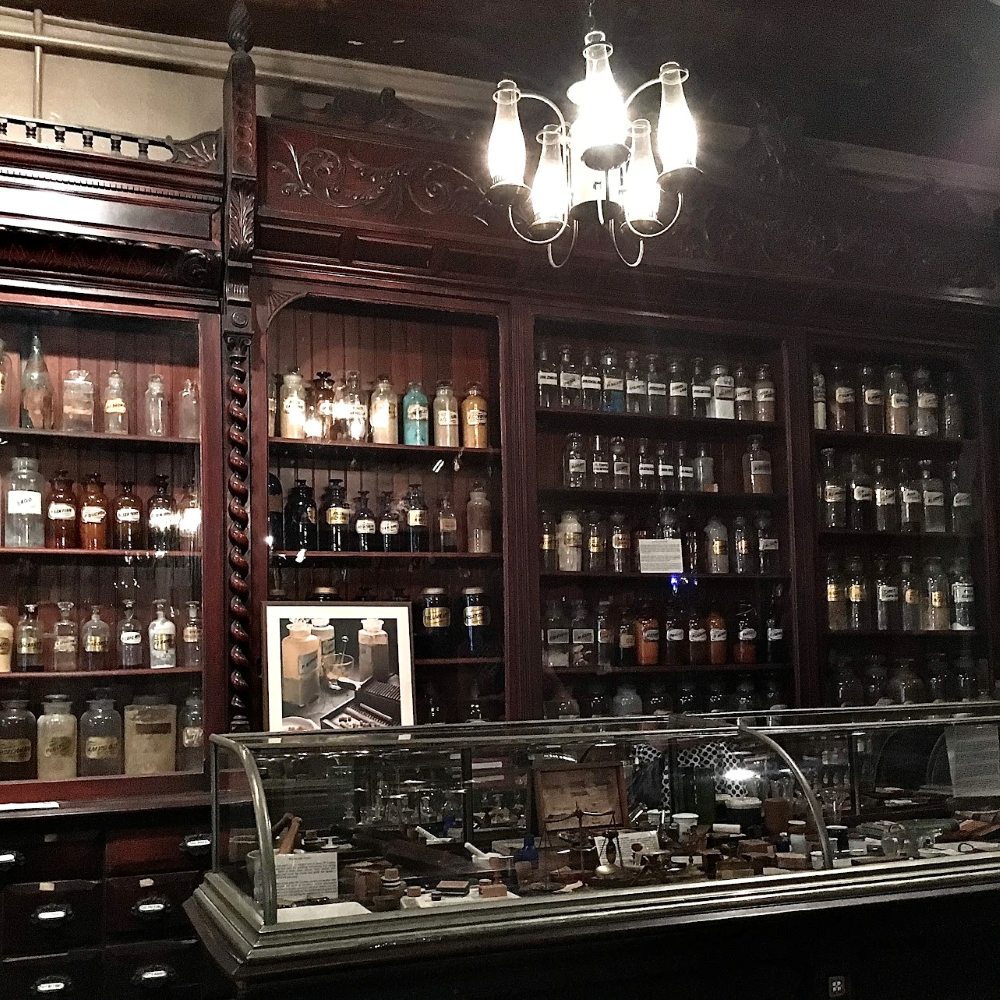
Head back to the French Quarter to visit the New Orleans Pharmacy Museum at 514 Chartres Street. It’s housed in an 1820s Creole townhouse that belonged to Louis J. Dufilho Jr., the first licensed pharmacist in the U.S. Inside, you’ll find antique medical instruments, apothecary bottles, and exhibits on early medicine and voodoo potions. Some of the historical practices might seem a little unsettling today. Stories claim a former owner, Dr. Joseph Dupas, haunts the building by moving objects and appearing as a shadowy figure in a brown suit and top hat.
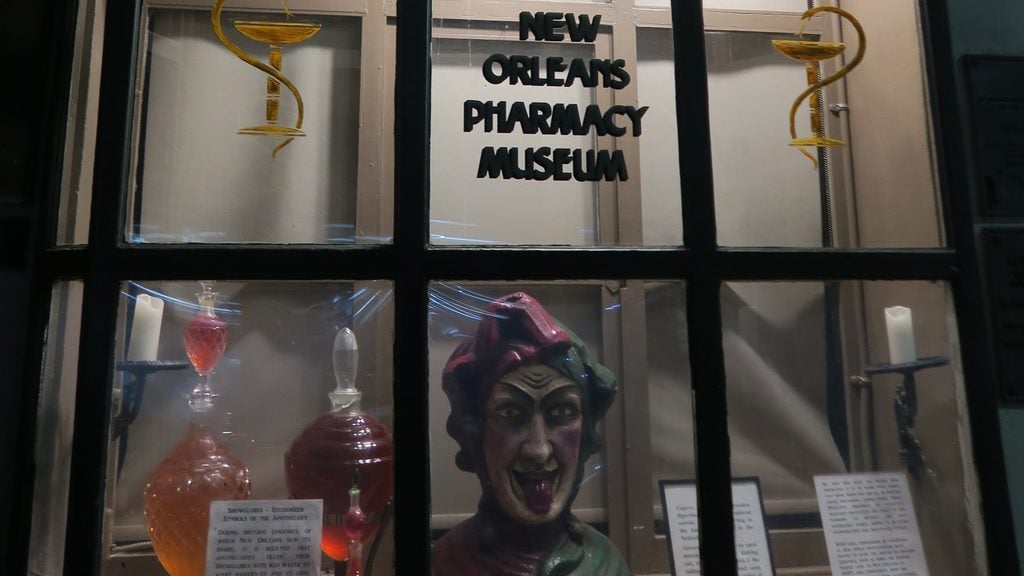
Travel tip: The museum is closed Sundays and Mondays and has limited hours on other days. I made the mistake of showing up when it was closed, so check their website first and consider buying tickets ahead of time.
Lunch: Classic New Orleans Food
After a morning of exploring, enjoy some of the food New Orleans is famous for. Whether you’re craving gumbo, jambalaya, a po’boy, or red beans and rice, there are plenty of places to try all over the city. If you want a haunted lunch, Antoine’s at 713 St. Louis Street, open since 1840, is said to be haunted by its founder, and it’s worth reserving ahead.
Afternoon: The Garden District
Spend the afternoon in the Garden District, known for historic mansions, oak-lined streets, and a completely different atmosphere from the French Quarter. One of the most enjoyable ways to get there is the St. Charles streetcar.
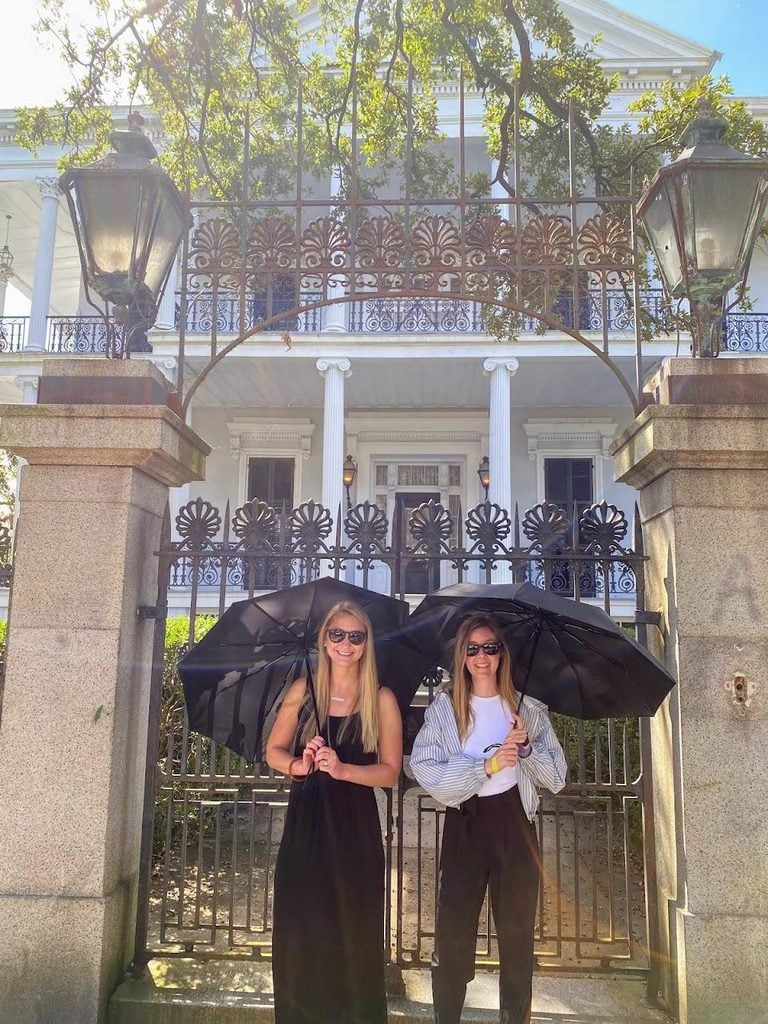
Buckner Mansion: Fans of American Horror Story: Coven will recognize the Buckner Mansion at 1410 Jackson Avenue, which served as the exterior of Miss Robichaux’s Academy. Built in 1856, it’s said to be haunted by Miss Josephine, a former caretaker, with stories of sweeping sounds, a lemon peel scent, and swaying chandeliers. The mansion is private, so admire it from the sidewalk. Sandy and I took a photo outside the gate, umbrellas in hand, thanks to our friend Meghan.
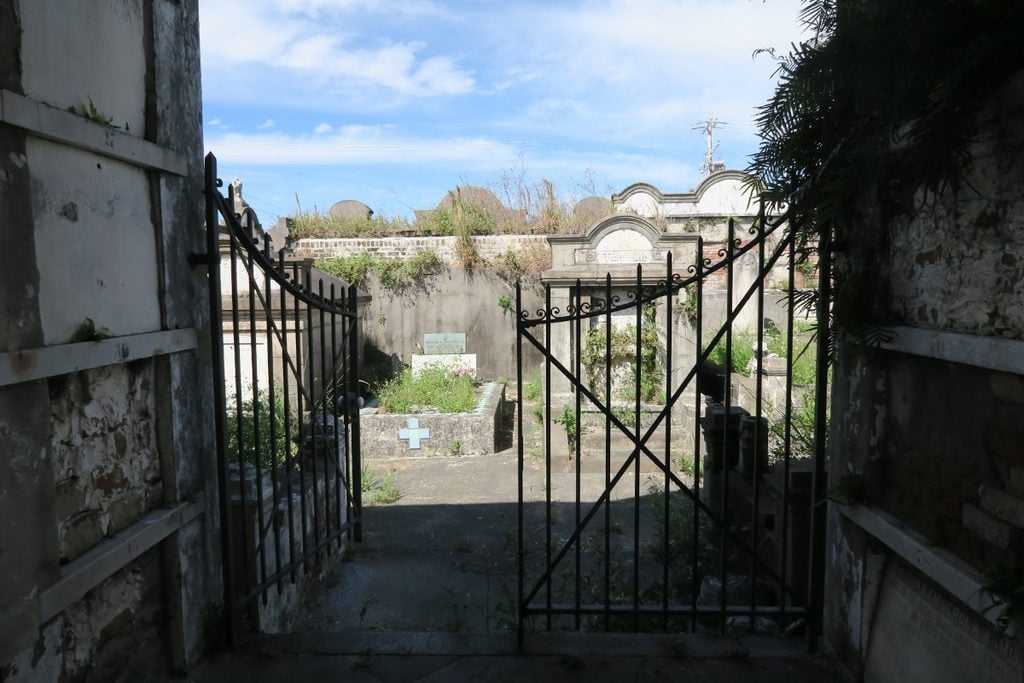
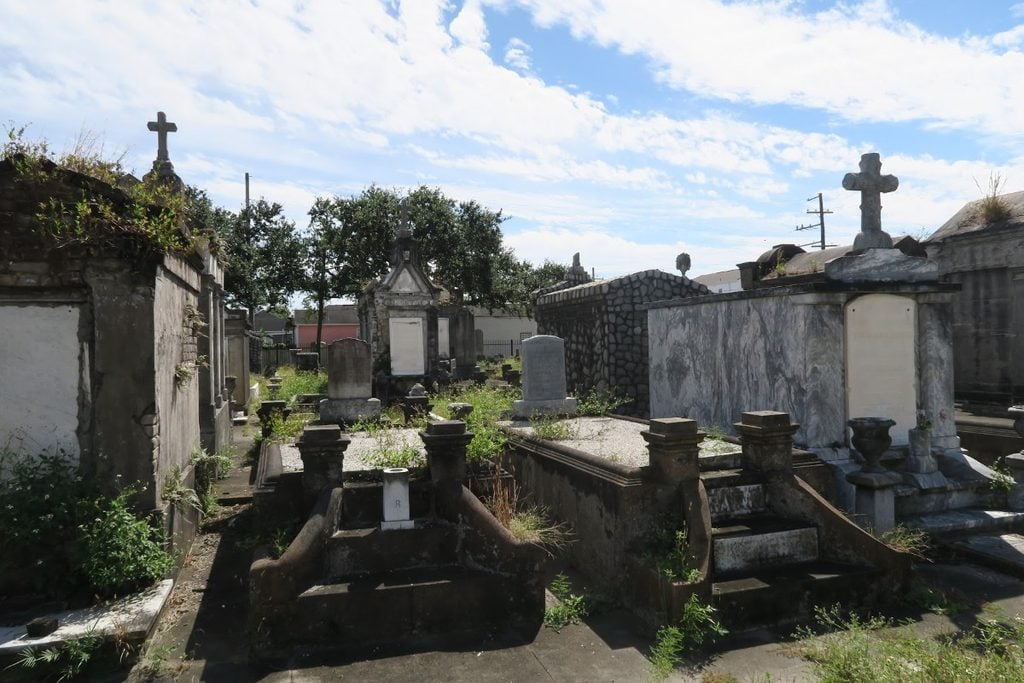
Lafayette Cemetery No. 1: Established in 1833 on Washington Avenue, this is one of the city’s oldest public cemeteries, with more than 1,100 family tombs and a connection to the legend of the Mayfair Witches. Public entry has been restricted at times, so check current access rules before you go. Even when it’s closed, you can appreciate the setting from outside.
Evening: The Columns Hotel
End your second day at the Columns Hotel at 3811 St. Charles Avenue. It’s one of my must-visit stops for a happy hour drink whenever I’m in New Orleans, and it’s also one of the city’s haunted hotels. I recommend getting a cocktail here because they are all so good.
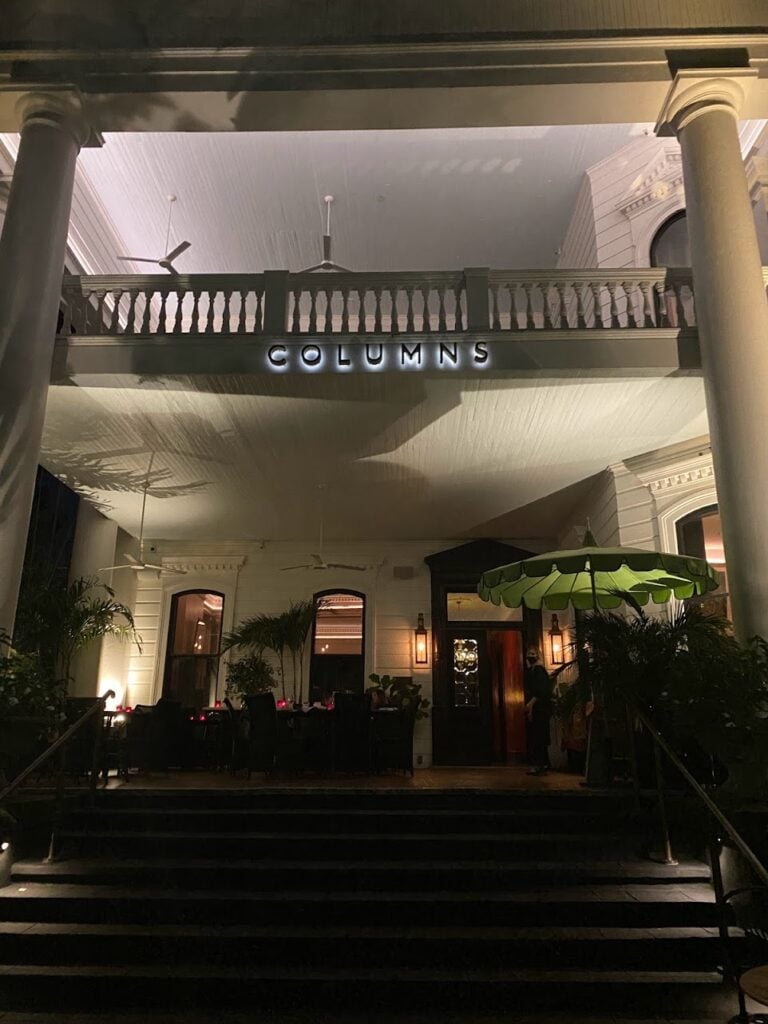
Tobacco merchant Simon Hernsheim built the mansion in 1883. He died by suicide in 1898 after losing his wife and sister. The building later became a boarding house and then a hotel in 1953, attracting some notorious guests, including corrupt politicians. Guests and staff report cold spots, an older man’s voice, and sightings of a well-dressed gentleman. Other spirits said to linger include a little girl on the third floor and the White Lady.
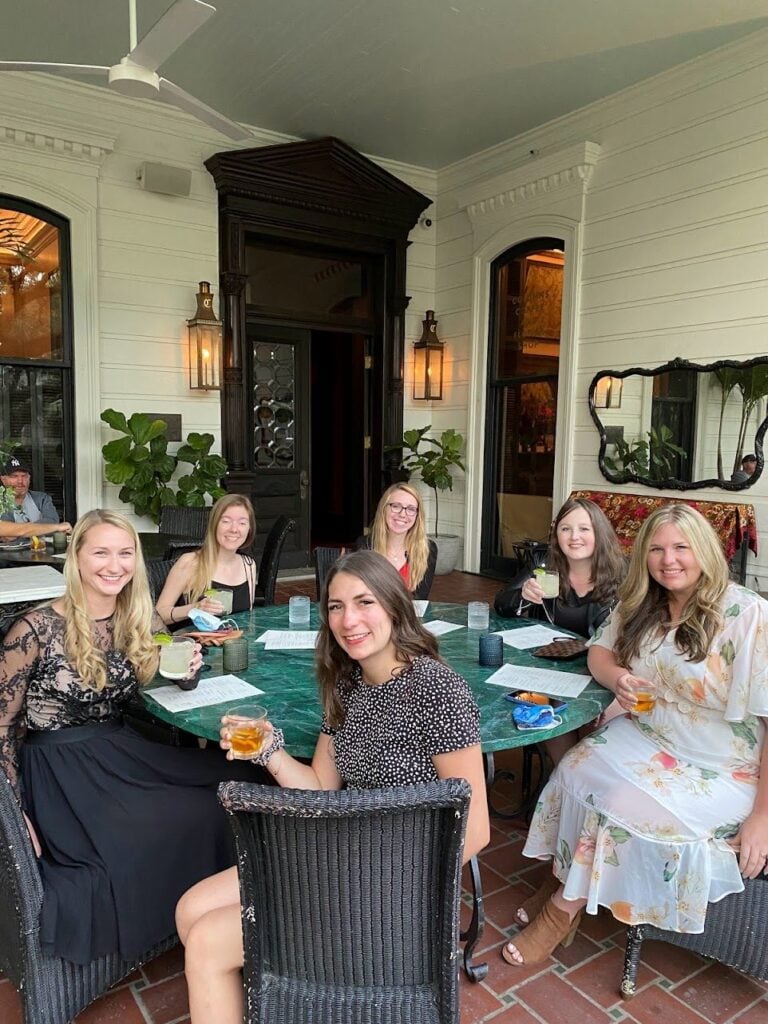
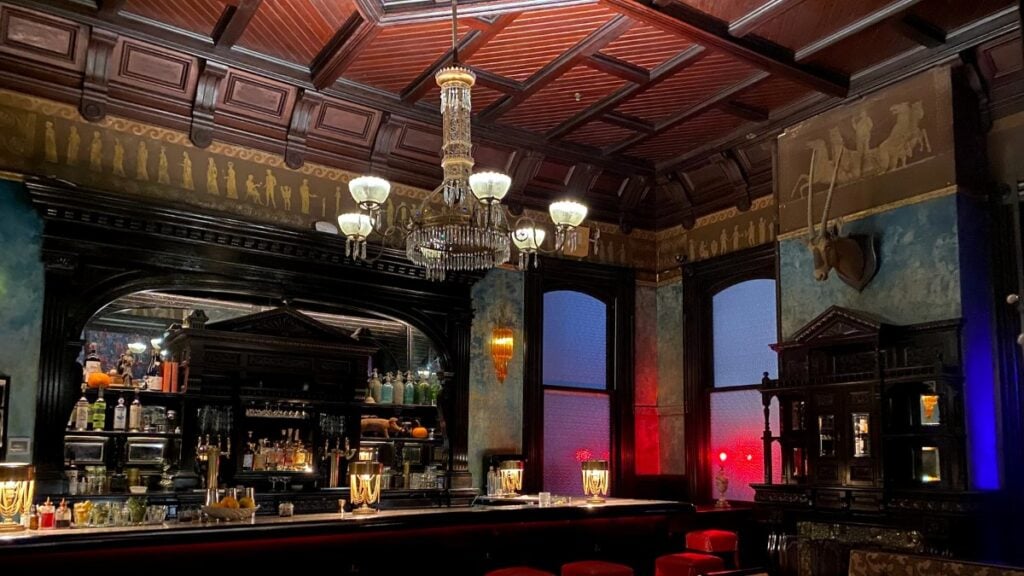
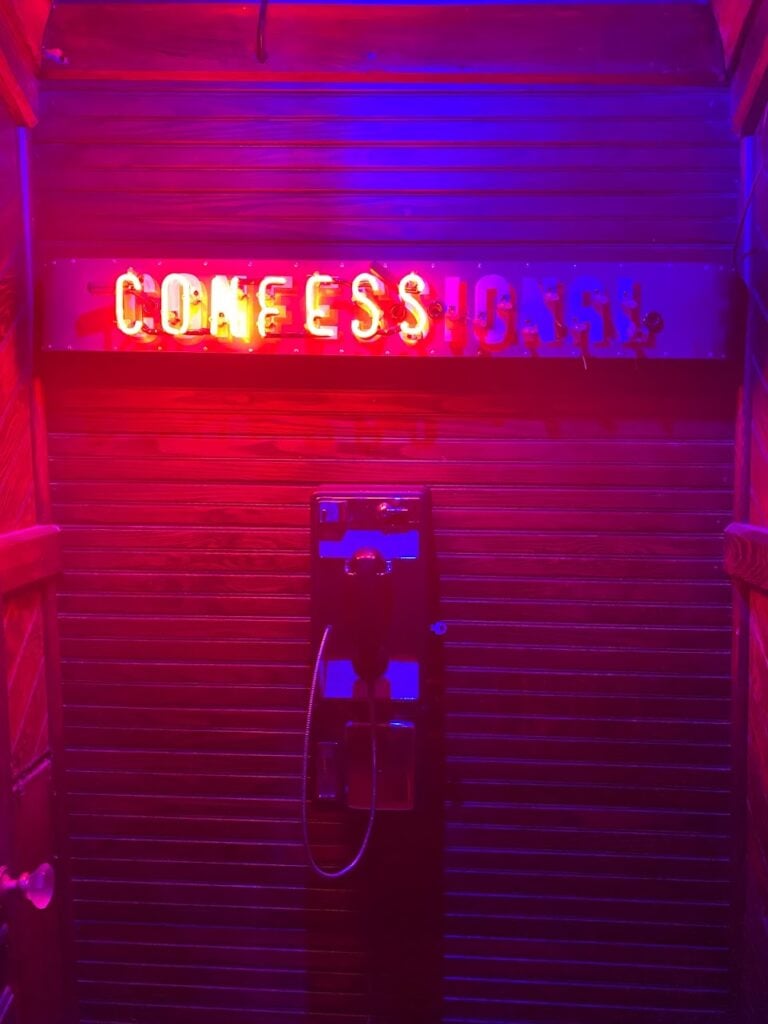
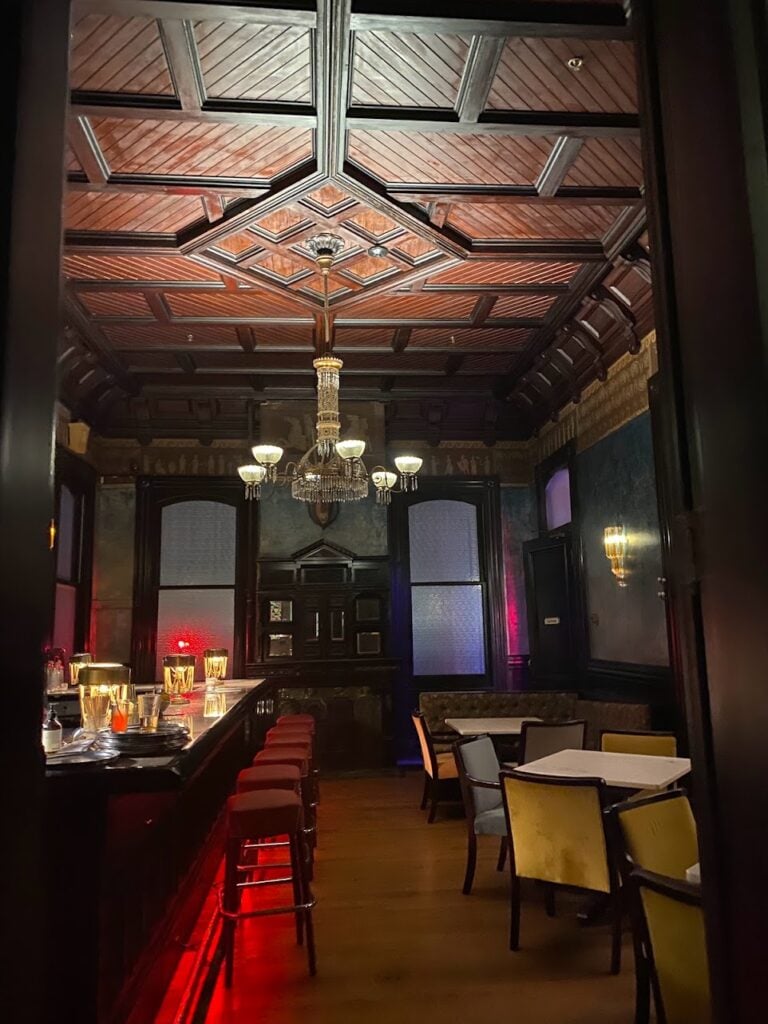
Despite its reputation, the Columns is a popular place to eat and stay, which makes it a great way to end a day of ghost-hunting. You can read more in this Ghost City Tours guide to the Columns Hotel, or make a reservation here.
Where to Stay: Historic Hotels With Haunted Legends
If you want a place with a few ghost stories of its own, the French Quarter has several. Staying there is especially convenient for this itinerary, since you’ll be within walking distance of most Day 1 stops.
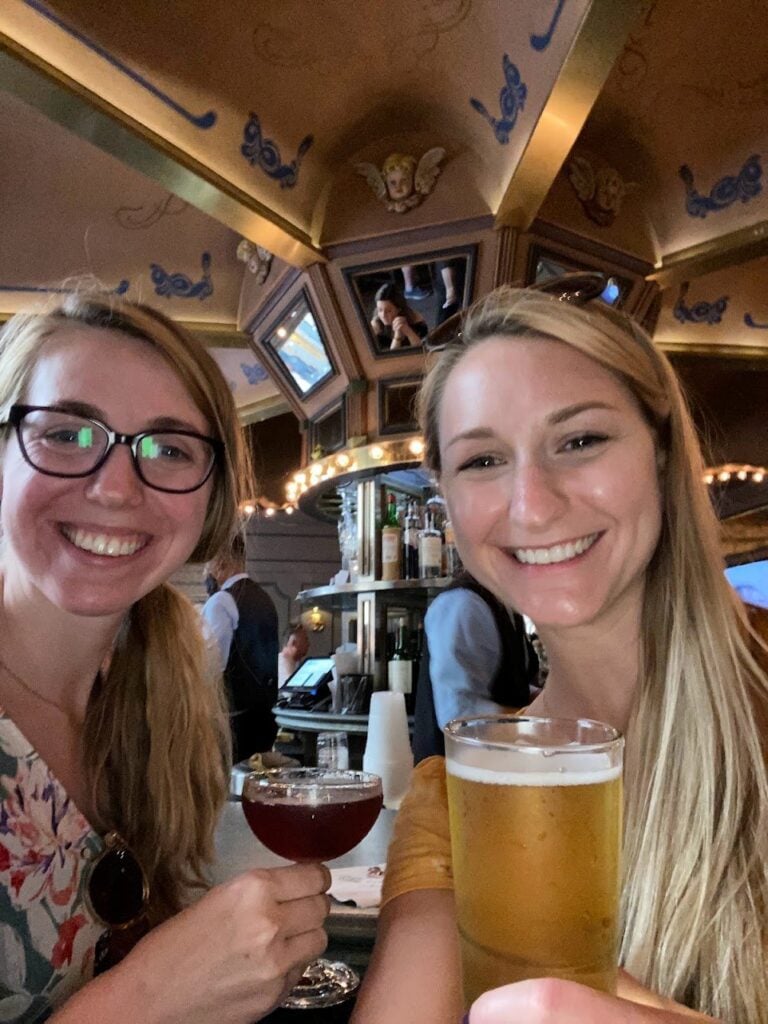
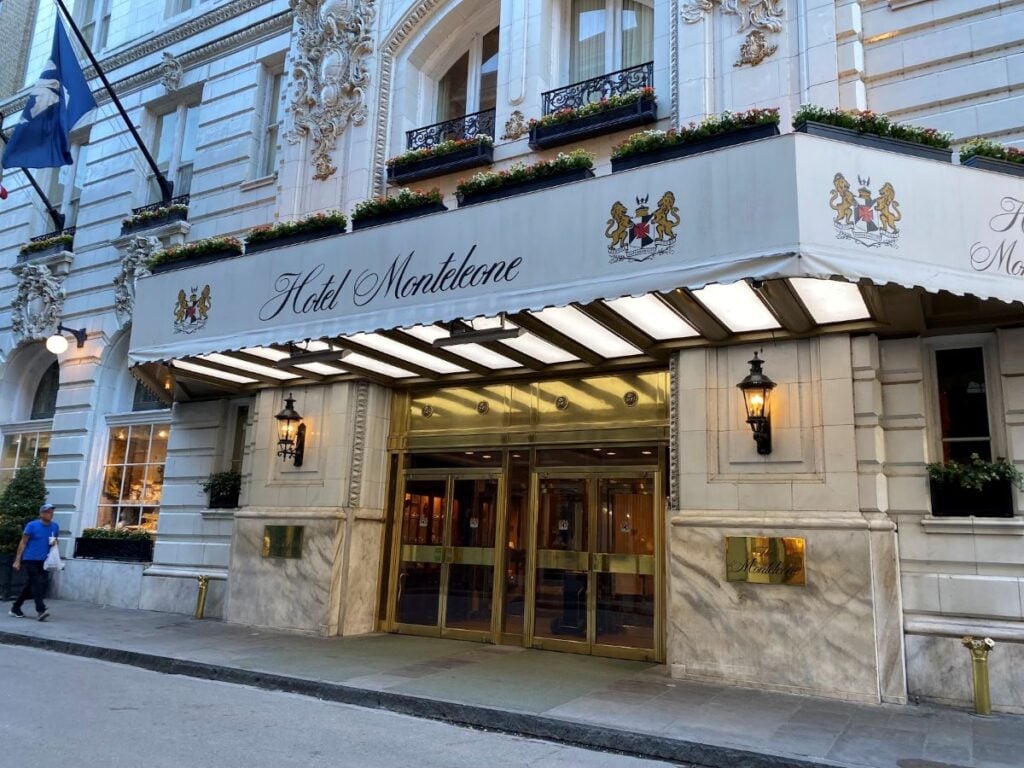
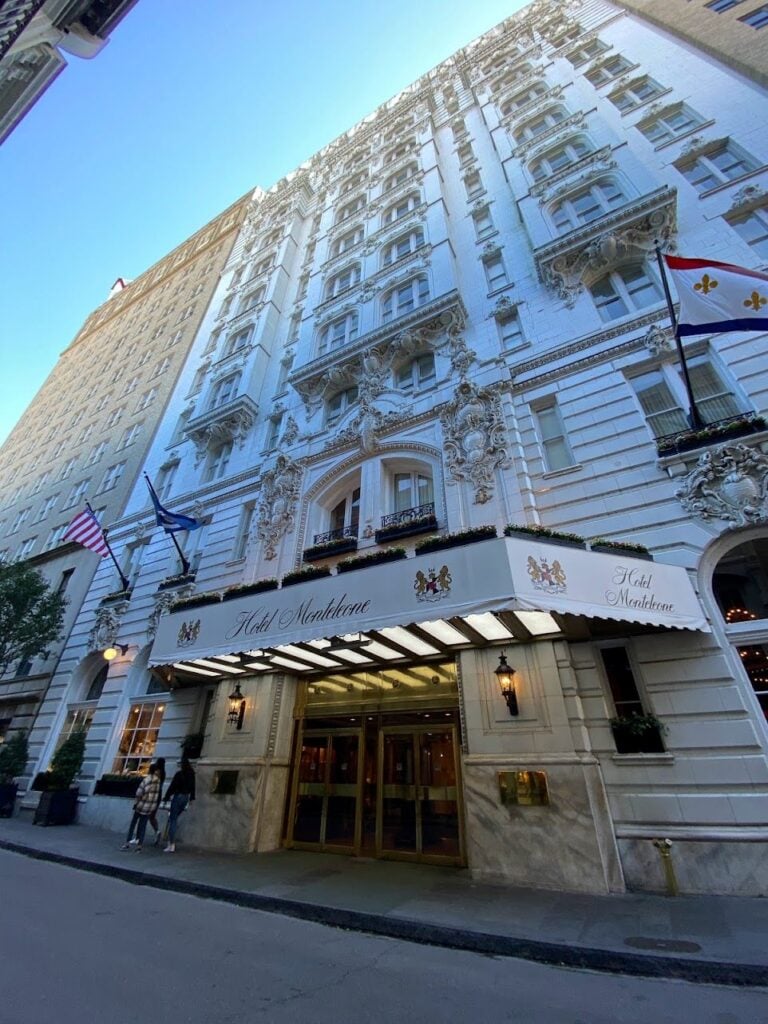
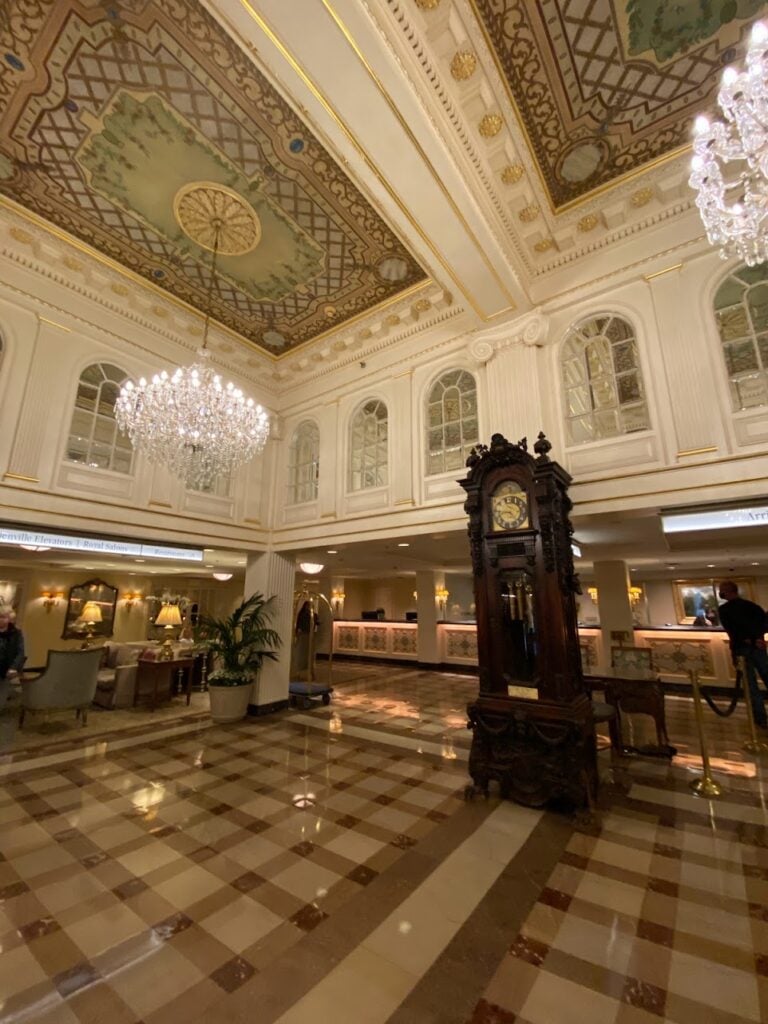
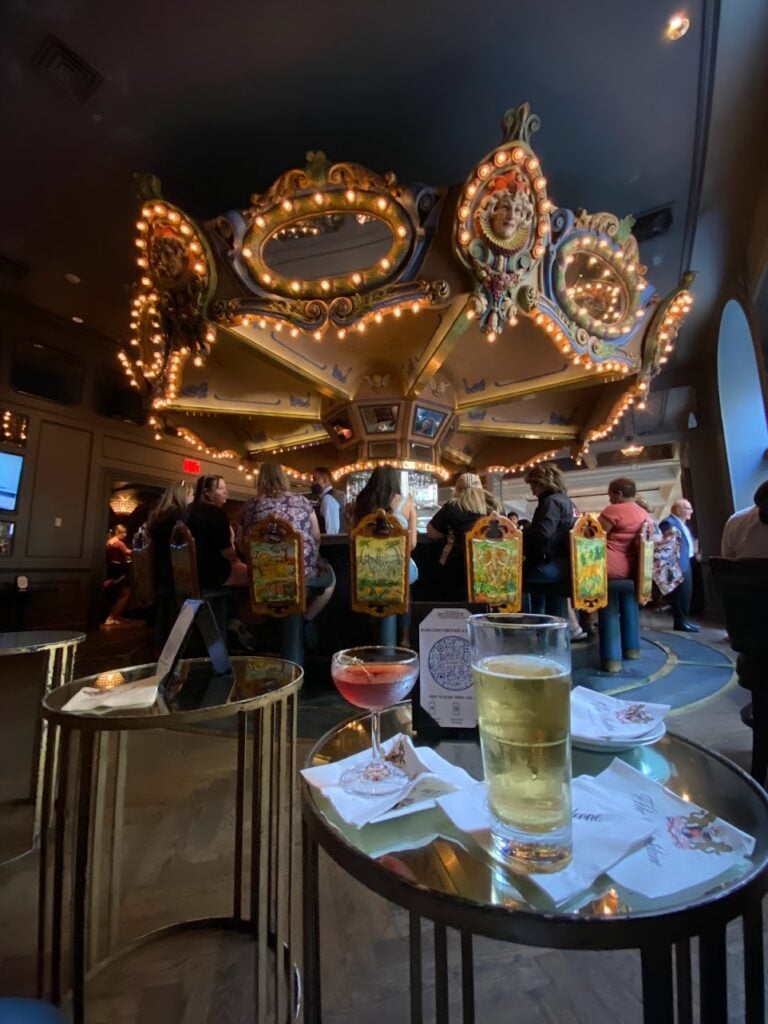
Hotel Monteleone is my top pick. We loved our stay, and we even got to stay on the haunted floor. Opened in 1886 on Royal Street, it’s known for its rotating Carousel Bar and its ghost stories, including a young boy named Maurice Begere and the hotel’s builder, Antonio Monteleone. The haunted activity is said to center on the 14th floor (the hotel skips the number 13). The hotel has also welcomed literary guests like Faulkner, Hemingway, and Anne Rice. Book your stay here.
Bourbon Orleans Hotel, near Jackson Square, has served as a ballroom, convent, and school over the years. Ghost stories include a mysterious dancer and a nun. Book your stay here.
Dauphine Orleans Hotel has an atmospheric bar, May Baily’s Place, in a building once associated with a bordello (or a brothel), plus stories of a mysterious woman and unexplained activity. At one point in the 1800s, it was owned by Augustin Macarty, a relative of the infamous Madame LaLaurie. Book your stay here.
Hotel Provincial is near the French Market and it is said to have served as a Civil War hospital and is associated with sightings of ghostly soldiers, mysterious groaning, and bloodstains that reportedly appear and disappear. One particularly eerie legend involves an elevator opening to reveal a Civil War-era hospital scene that vanishes moments later. Book your stay here.
Andrew Jackson Hotel, Place d’Armes Hotel, and the Columns Hotel, all mentioned above, take bookings too if you want to sleep at any of those!
Travel tip: Even if you don’t choose a hotel for its ghosts, I recommend staying in or near the French Quarter for a first visit.
More Things to Do in New Orleans
There’s more to New Orleans than ghosts, so if you have extra time, consider adding:
- Listen to live jazz on Frenchmen Street or Preservation Hall
- Take a Louisiana swamp tour to spot alligators and other wildlife
- Take a Mississippi River cruise to see landmarks and Battle of New Orleans sites
- Visit the National WWII Museum
- Enjoy beignets at Café du Monde or Cafe Beignet (yes, again)
You can see many haunted landmarks in two days, but I recommend three or four days if your schedule allows, so you have time for the food, music, and history too.
Tips for Planning Your Haunted New Orleans Trip
- Visit in October if you love Halloween. The decor and energy are unmatched, but ghost tours and haunted sites run year-round.
- Wear comfortable shoes. French Quarter sidewalks are uneven, and you’ll be on your feet a lot.
- Book tours in advance. Ghost tours and cemetery visits fill up, especially in October and on weekends.
- Bring some cash. Some small spots, like Pirate’s Alley Café, may be cash-only.
- Check hours and access. Museums, cemeteries, and restaurants have changing schedules and access rules.
- Plan transportation beyond the Quarter. The Garden District is an easy streetcar ride, while swamp tours need a longer trip.
- Leave room for spontaneity. Wandering without a plan is one of the best ways to experience this city. You’ll see lots of places to stop along the way whether it be shopping, finding a unique place to have a cocktail, and more.
- Respect historic sites and private property. Many haunted spots are private homes, working hotels, or culturally significant burial grounds. Enjoy the stories while respecting the people and communities connected to them.
Is New Orleans Worth Visiting During Halloween?
Absolutely! October brings an entirely different energy to the city, from balconies covered in Halloween decorations to ghost tours winding through the French Quarter at night. That said, I’d recommend visiting at any time of year (although it will be VERY hot in the late spring and summer).
If you’re anything like me, one visit won’t be enough. For even more spooky stops, including a few not on this itinerary, check out my 18 Haunted Places in New Orleans: A Self-Guided Tour.