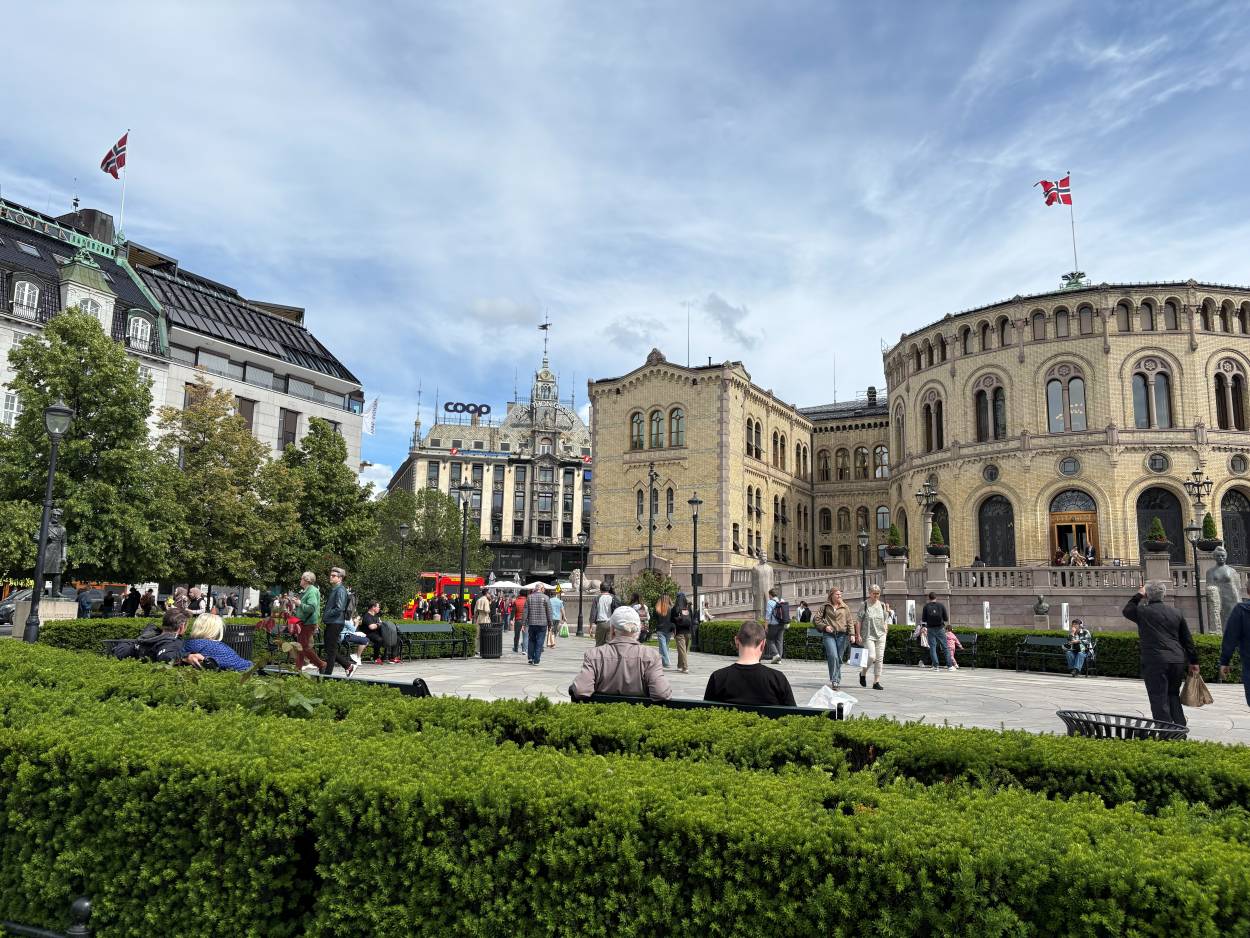
When people picture Norway, their minds often jump straight to beautiful fjords, snowy mountains, and scenic train rides through the countryside. While Norway absolutely deserves its reputation for incredible natural beauty, the capital city of Oslo offers a completely different side of the country – one filled with world-class museums, waterfront neighborhoods, historic landmarks, incredible architecture, and a relaxed Scandinavian atmosphere.
Oslo feels like a city that balances everything perfectly. You can spend the morning exploring museums, the afternoon walking along the harbor, and the evening enjoying a great meal with views of the city lights. It’s a city that is easy to navigate, easy to explore, and honestly, one that deserves more attention from travelers.
During my visit to Oslo, I stayed at the Thon Hotel Cecil, which was a great base for exploring the city. The location made it easy to walk to many of the major sights, and getting there from Oslo Airport was simple. You can take the train directly into the city, which is one of the easiest and most convenient options, or you can grab an Uber if you prefer a more direct ride with luggage. Once you arrive in central Oslo, you really don’t need a car, the city is very walkable and has excellent public transportation.
Affiliate Disclosure: Some of the links on this site are affiliate links. This means we may earn a small commission at no extra cost to you if you make a purchase through them. Read the policies to know more.
Start Your Oslo Adventure with a Walking Tour
One of my favorite ways to get to know a new city is by doing a walking tour on the first day. It helps you understand the layout, learn the history, and discover places you might otherwise walk right past. For Oslo, I booked the Oslo Guided Walking Tour of Central Oslo with a Local Guide through GetYourGuide, and it ended up being a great introduction into the city.
Having a local guide made such a difference because Oslo’s history is layered. From its Viking roots to its royal traditions and modern transformation into a sustainable, design-focused city.
The tour took us through some of Oslo’s most famous landmarks, including the beautiful waterfront area and the iconic Oslo Opera House.
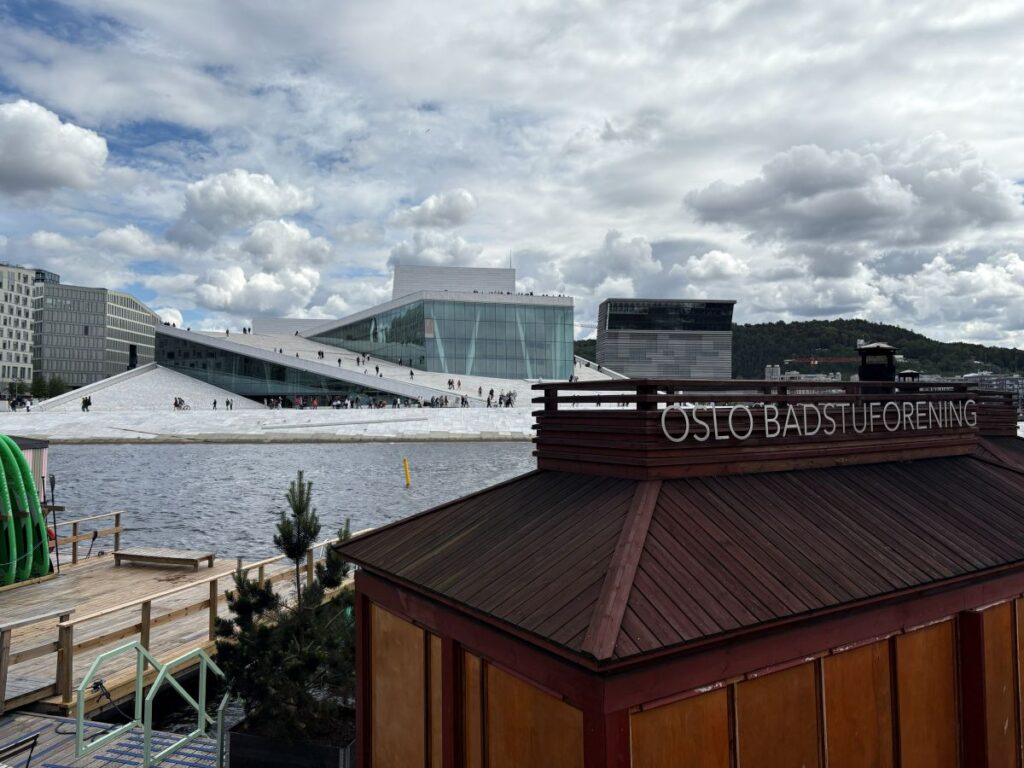
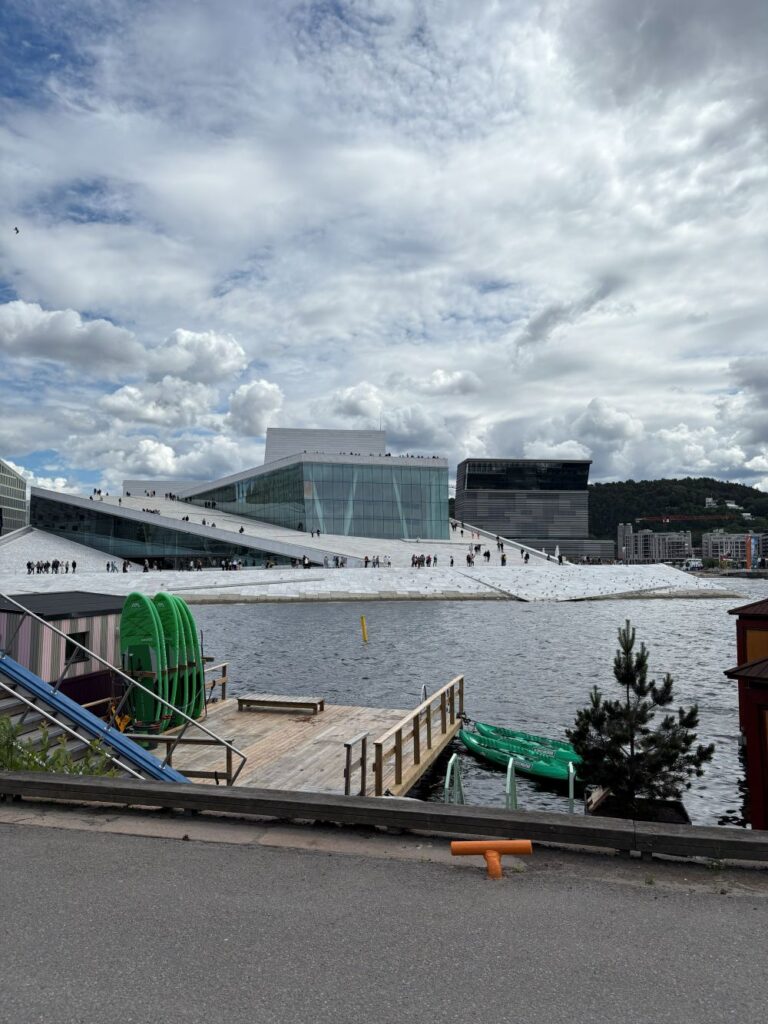
The Oslo Opera House is one of those buildings that immediately makes you stop and appreciate the design. Sitting right on the waterfront, the building looks like it rises out of the Oslo Fjord. One of the coolest things about it is that visitors can actually walk up the sloped roof, creating a unique viewpoint over the harbor and the city.
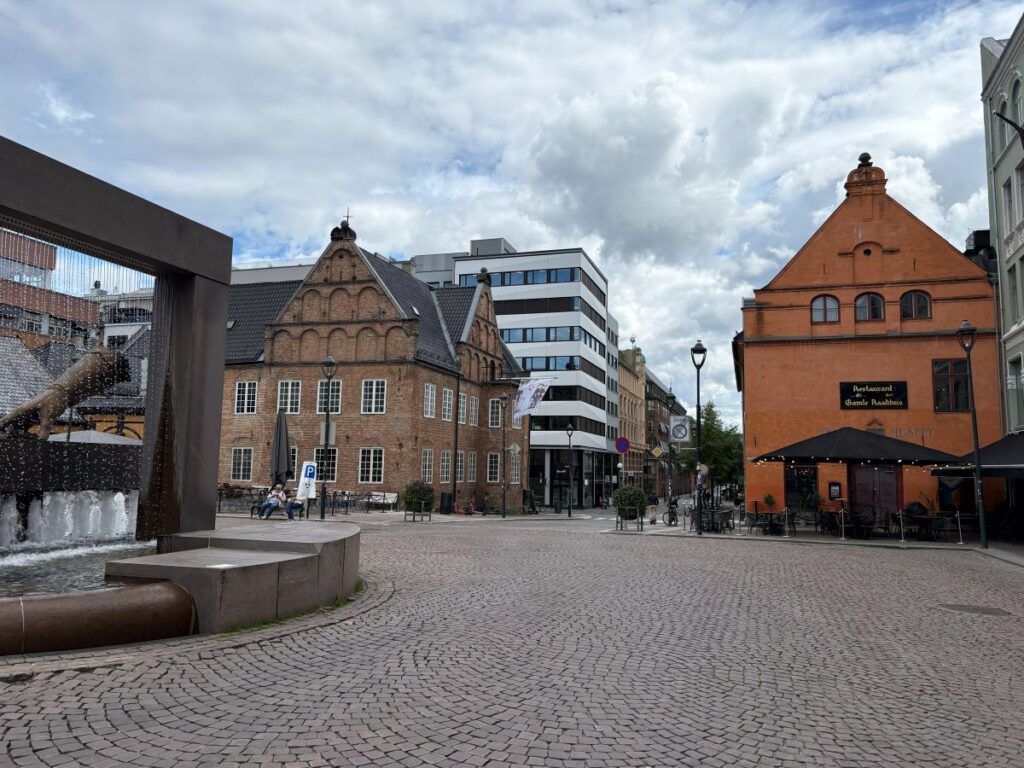
Walking around central Oslo also gives you a chance to see the city’s mix of old and new. Traditional Norwegian buildings sit alongside modern architecture, and the whole city has this clean, minimalist Scandinavian style that feels very distinctly Oslo.
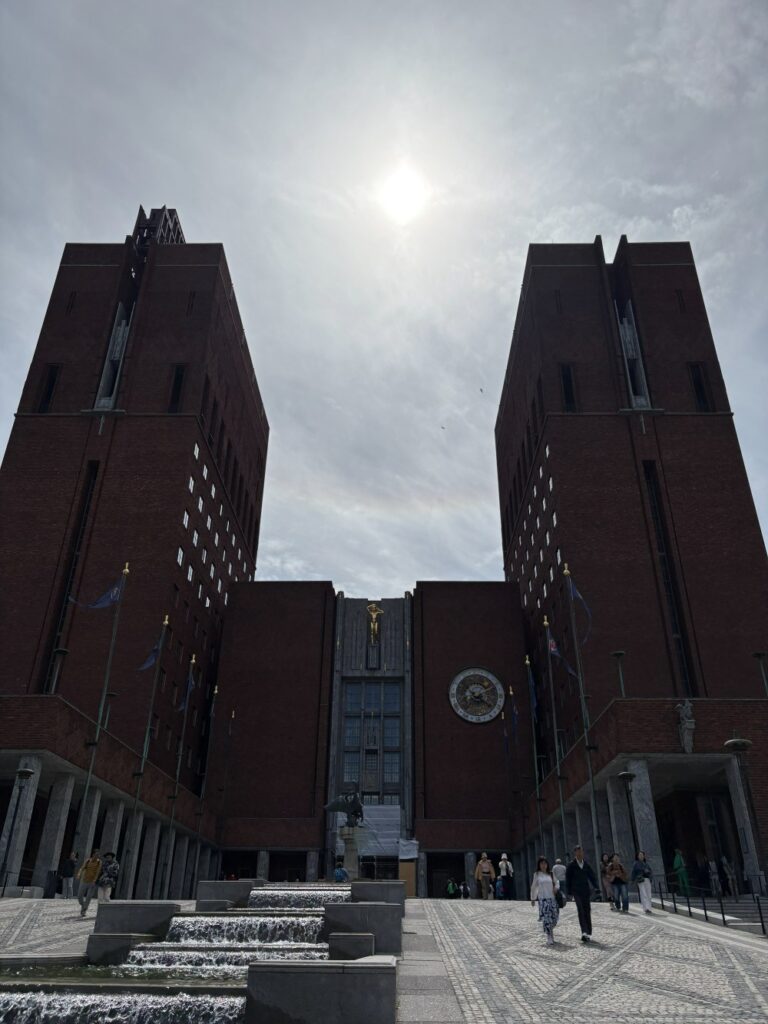
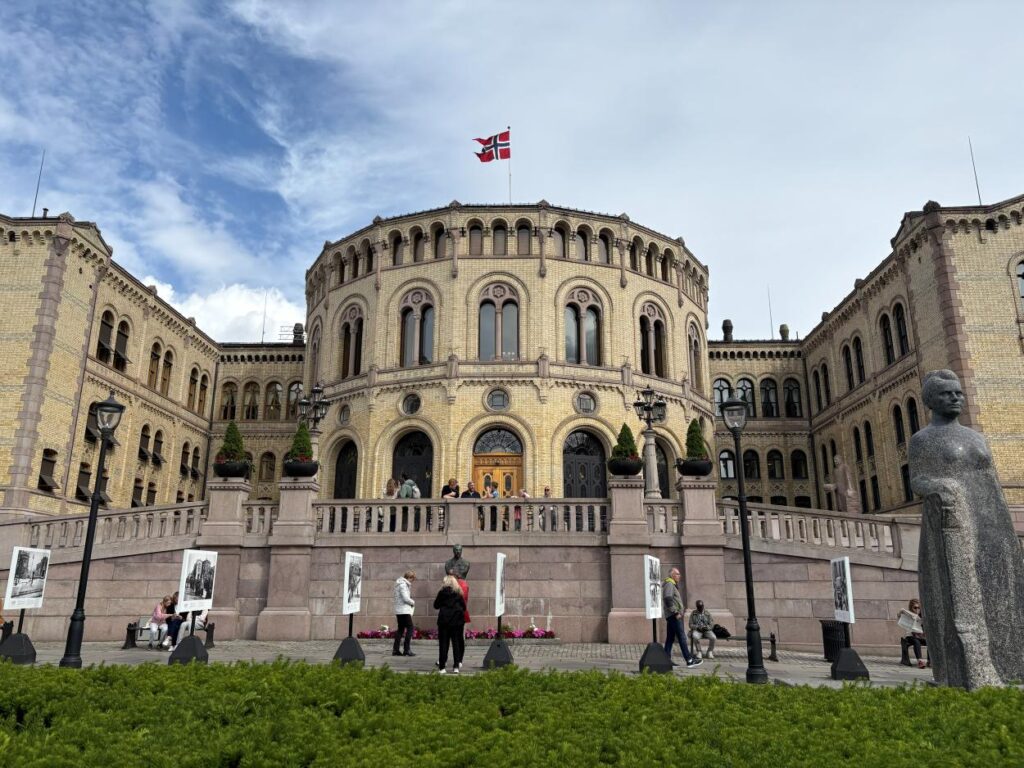
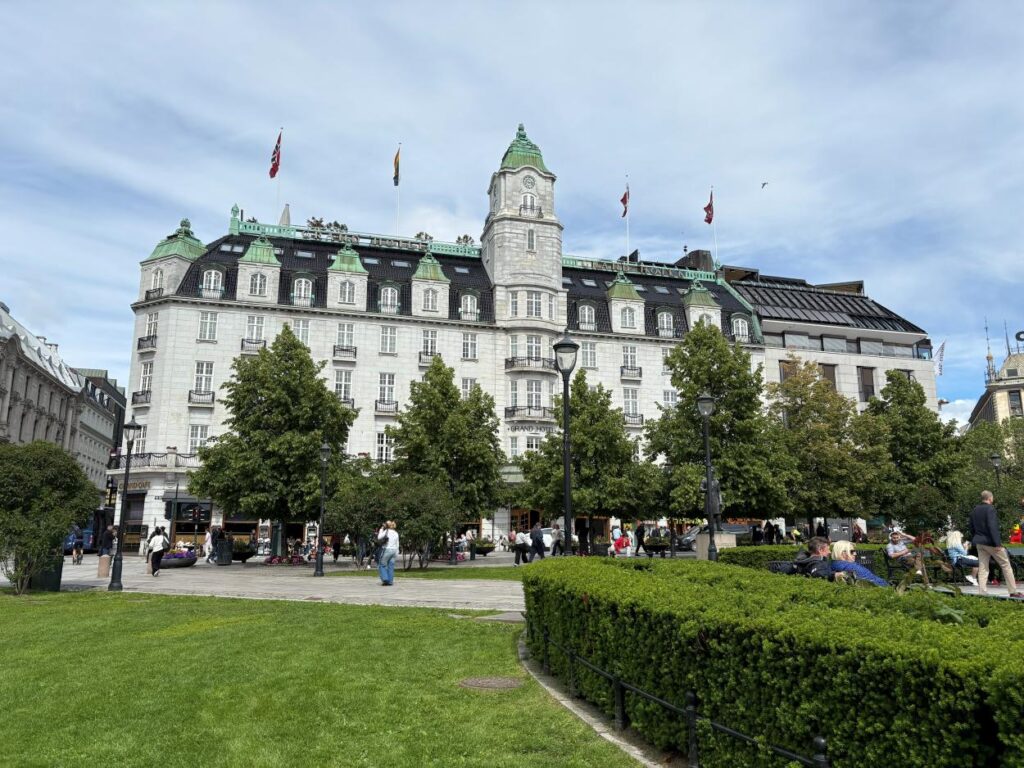
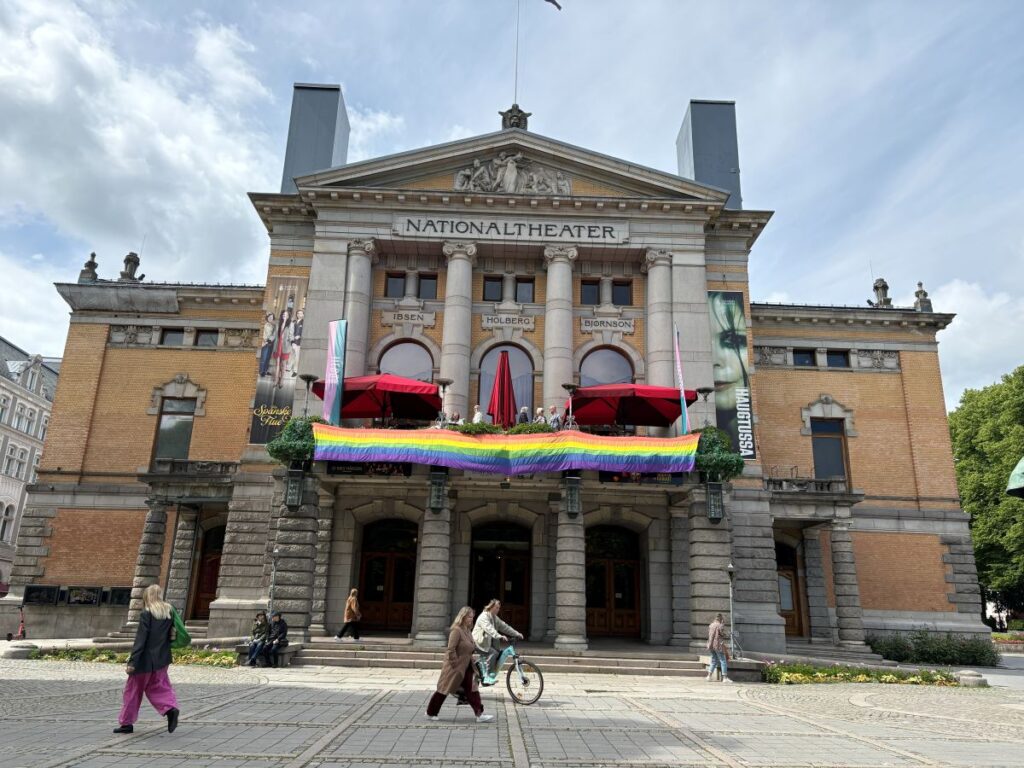
The walking tour was also a great overview to the main areas of the city, giving me a better sense of where I wanted to spend more time afterward.
Exploring the Royal Side of Oslo
After getting familiar with the city, I spent another day exploring some of Oslo’s landmarks at a slower pace. One of my stops was the Royal Palace, located at the end of Karl Johans gate, Oslo’s main street.
The walk up toward the palace is beautiful, with tree-lined paths and views back toward the city. The palace sits above the city and is surrounded by gardens that are open to the public. Even if you don’t do a palace tour, it’s worth visiting just to experience the area and see an important part of Norwegian history.
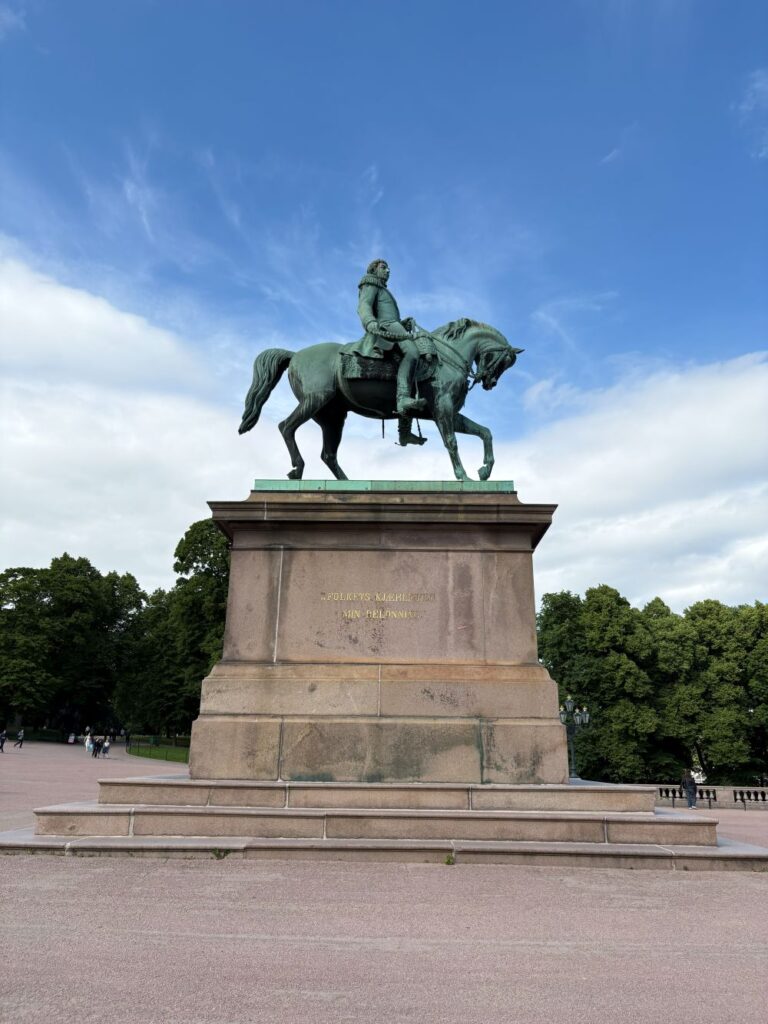
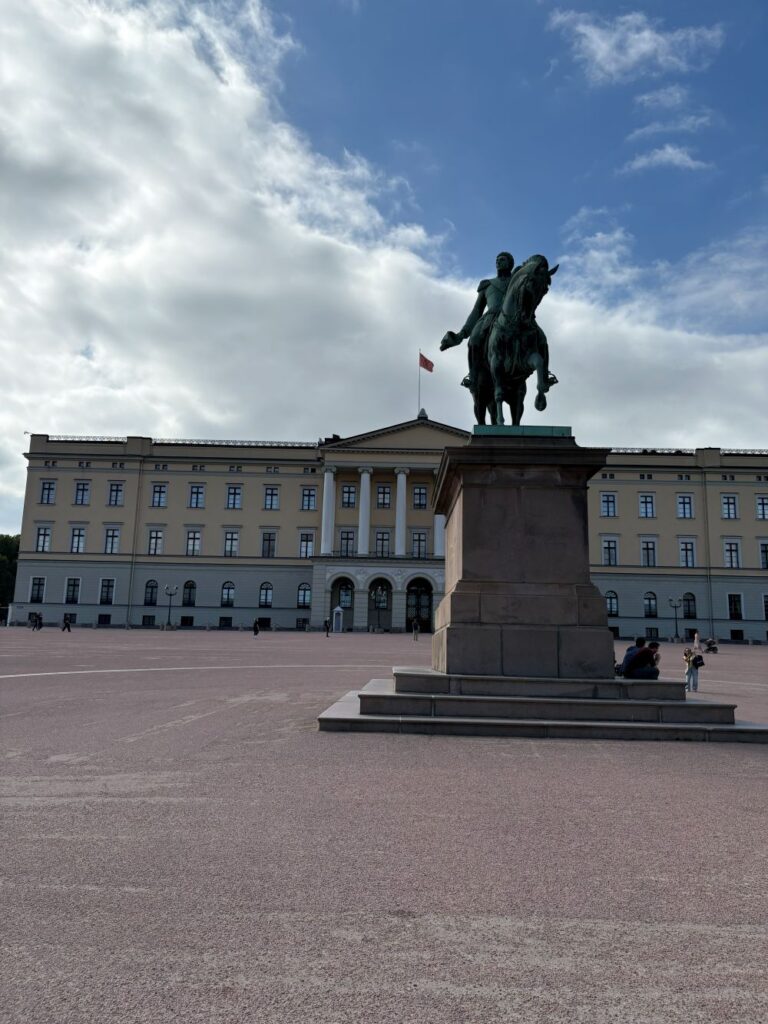
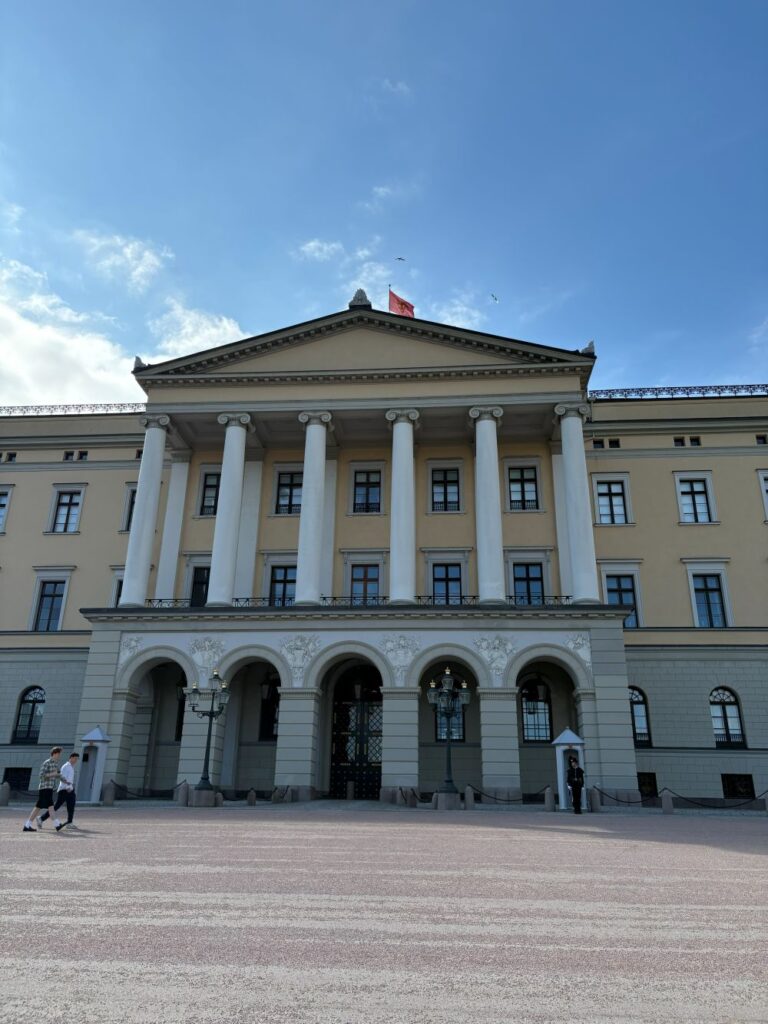
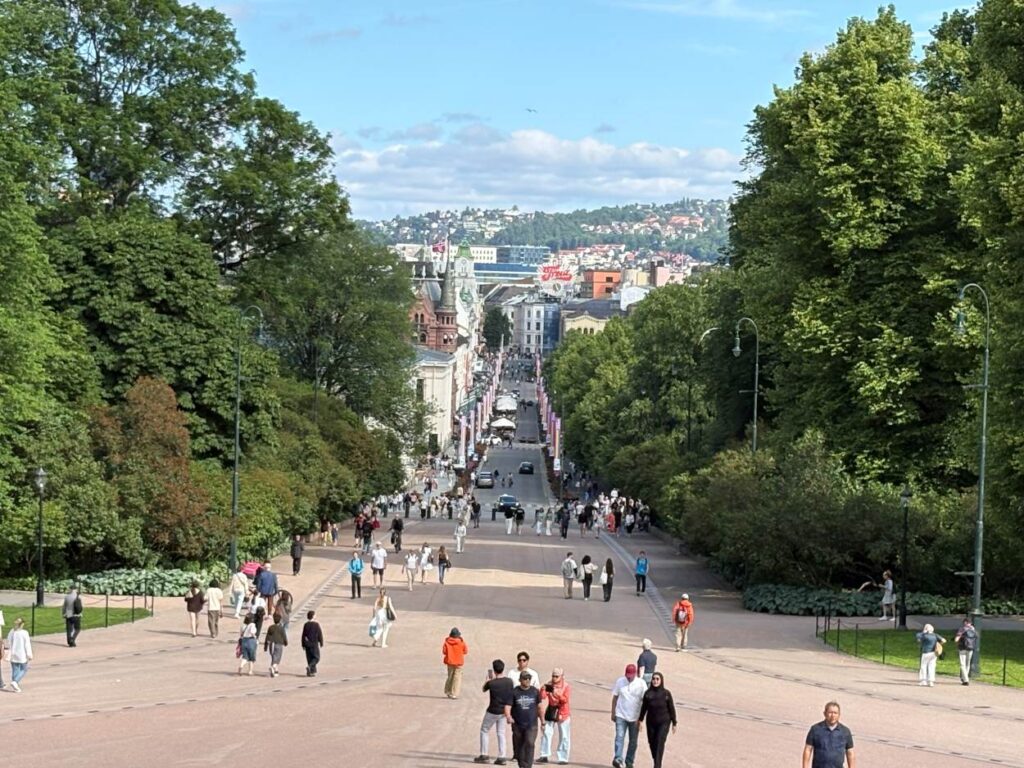
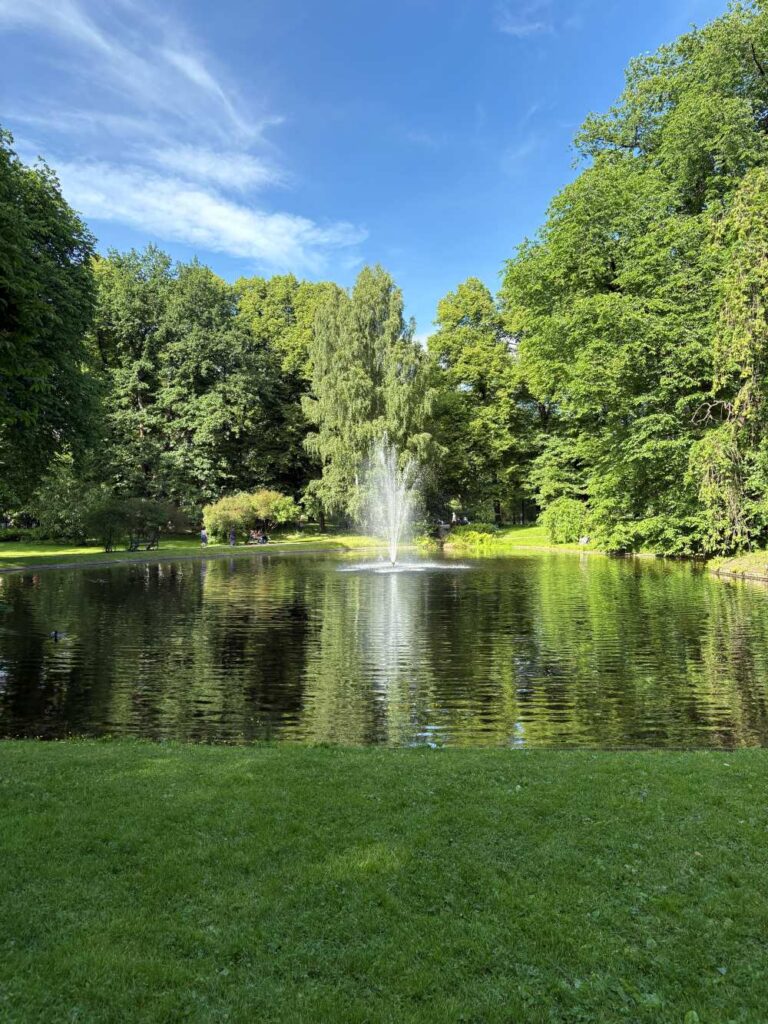
Unlike some European capitals where royal landmarks feel separated from everyday life, Oslo’s palace feels integrated into the city. Locals walk through the surrounding park, and visitors can enjoy the space without it feeling overly formal.
Discovering Oslo’s Viking History at the Fram Museum
One of the things I loved about Oslo is how much the city embraces its history. Norway’s connection to exploration and the sea is fascinating, and the museums make it easy to experience that history in a way that feels interactive rather than just looking at displays behind glass.
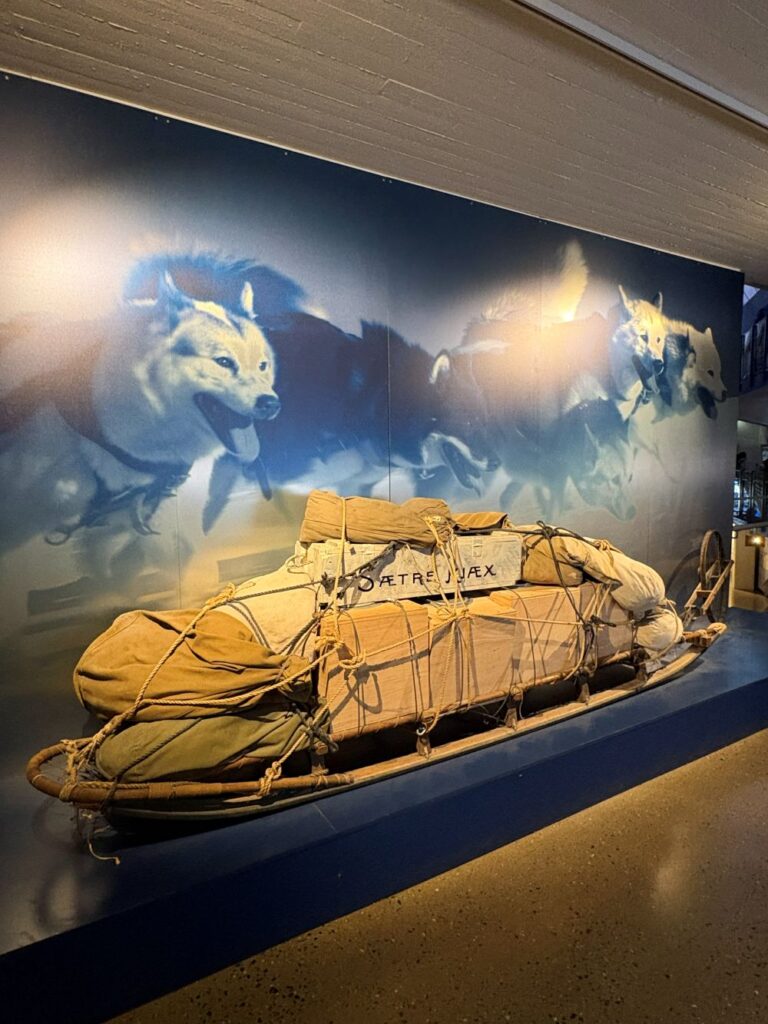
The Fram Museum was one of my favorite museum stops in Oslo. The museum is dedicated to polar exploration and features the actual Fram ship, one of the strongest wooden ships ever built. The ship was used on famous expeditions into some of the world’s harshest environments, including the Arctic and Antarctic.
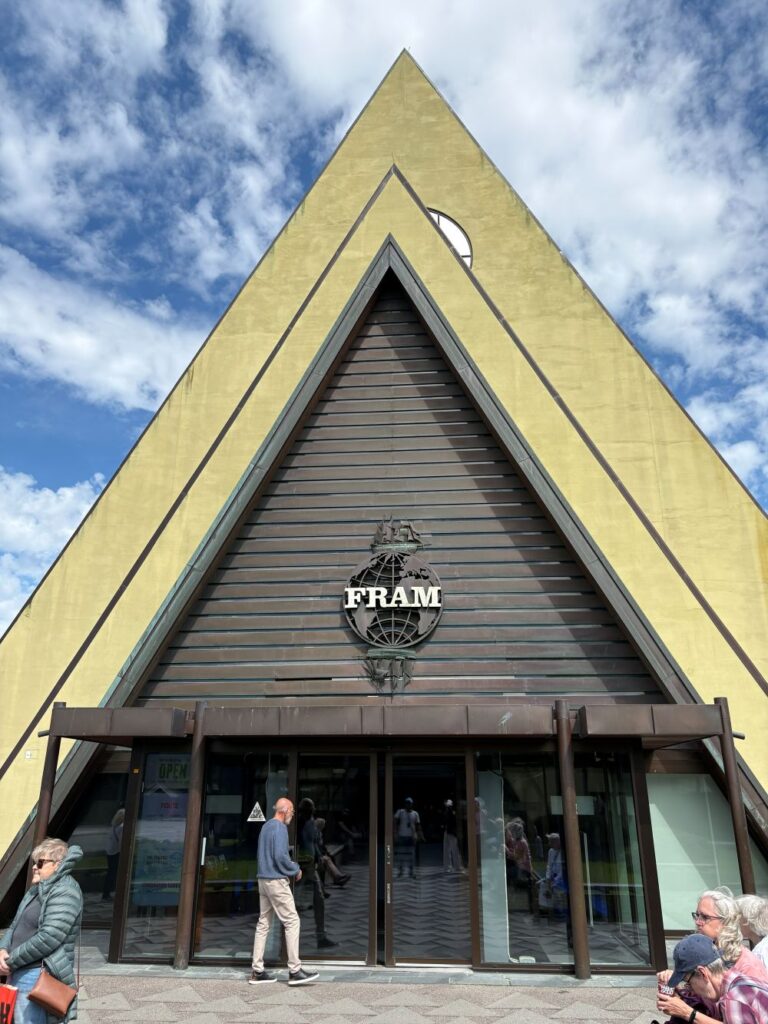
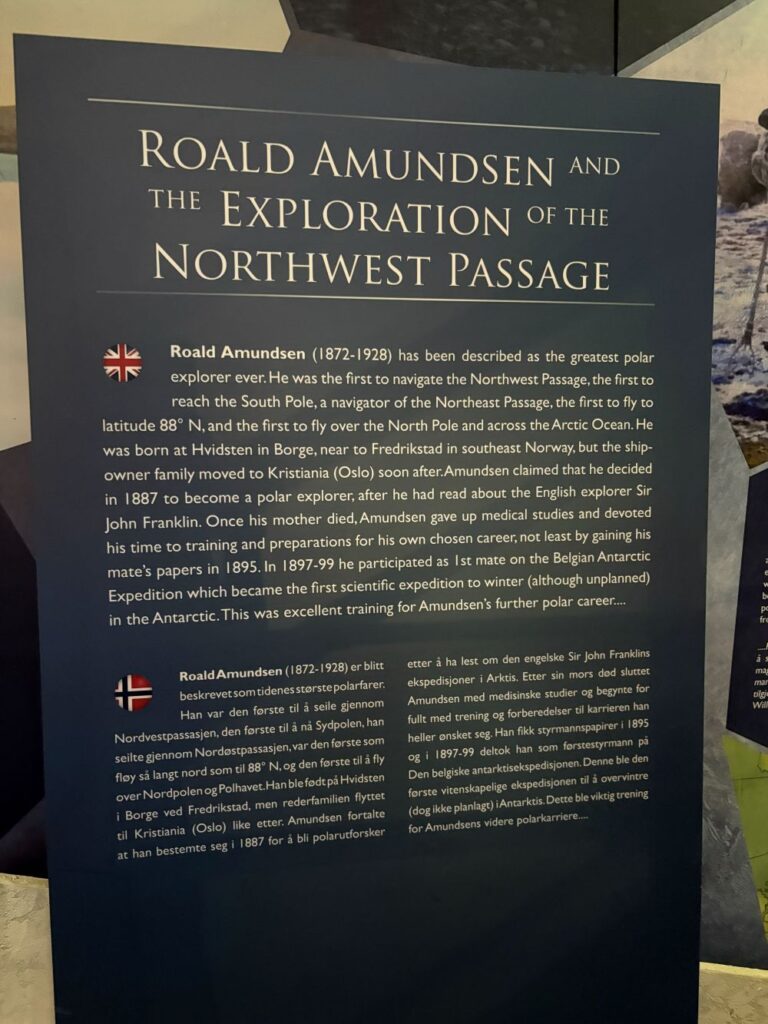
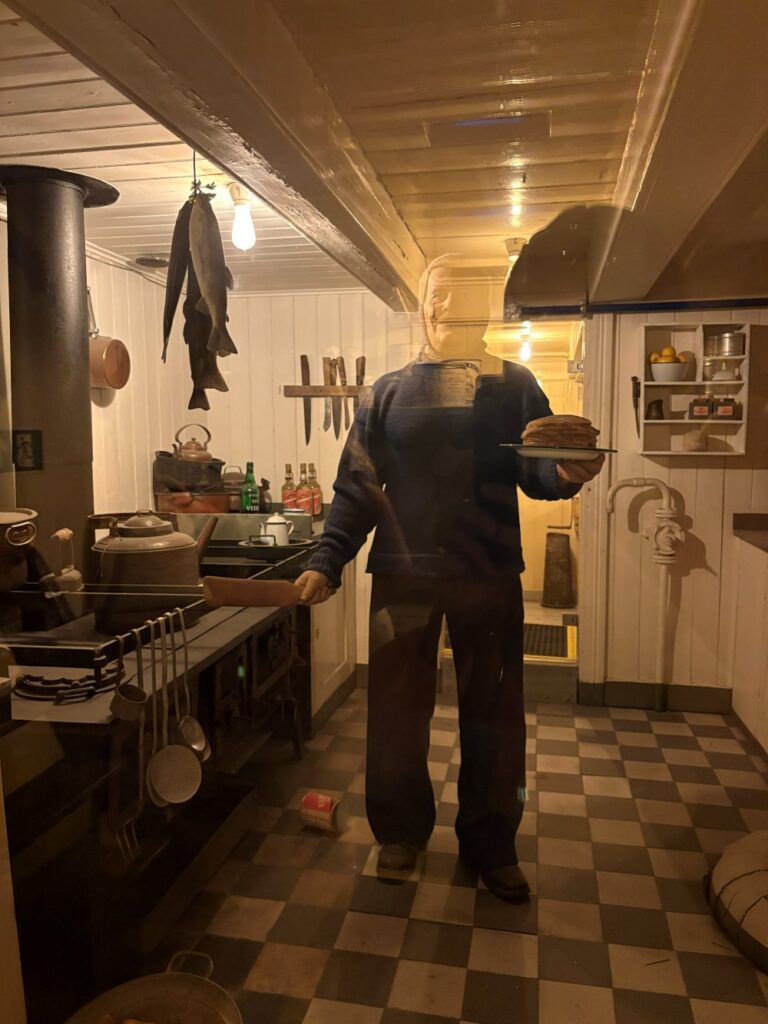
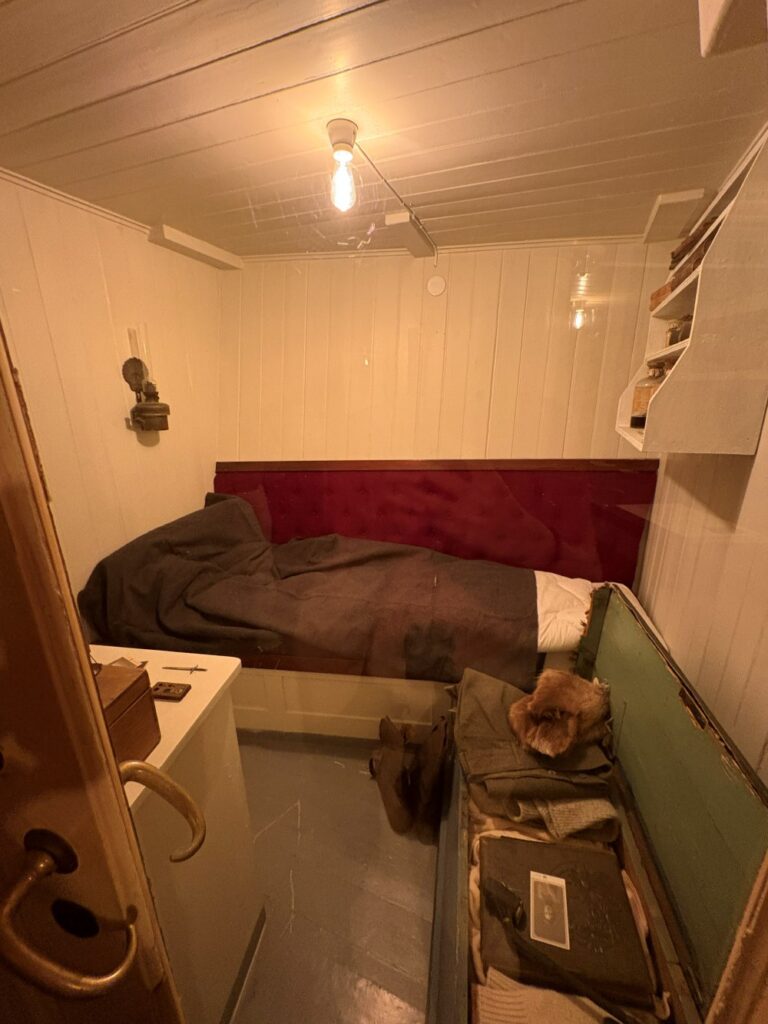
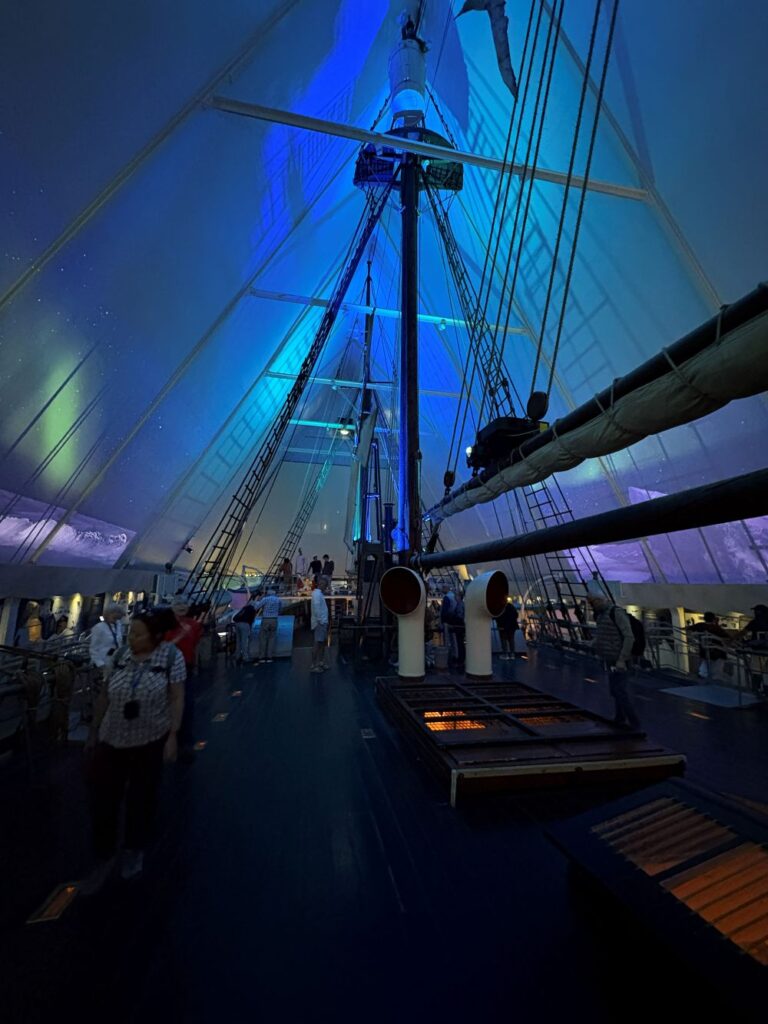
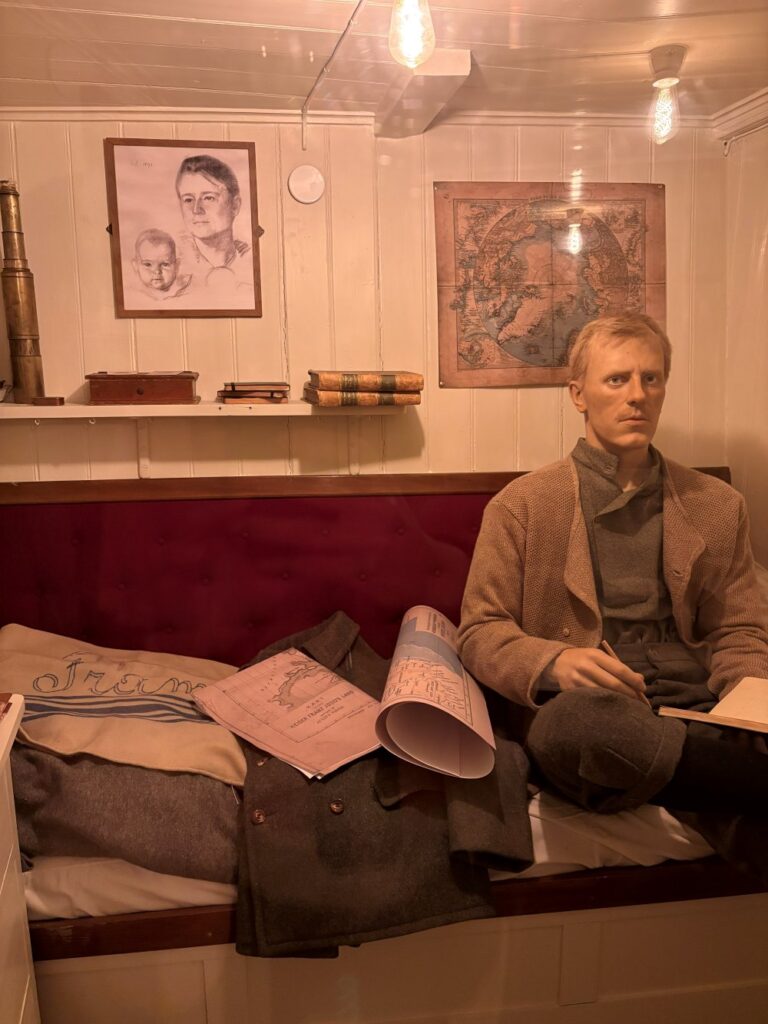
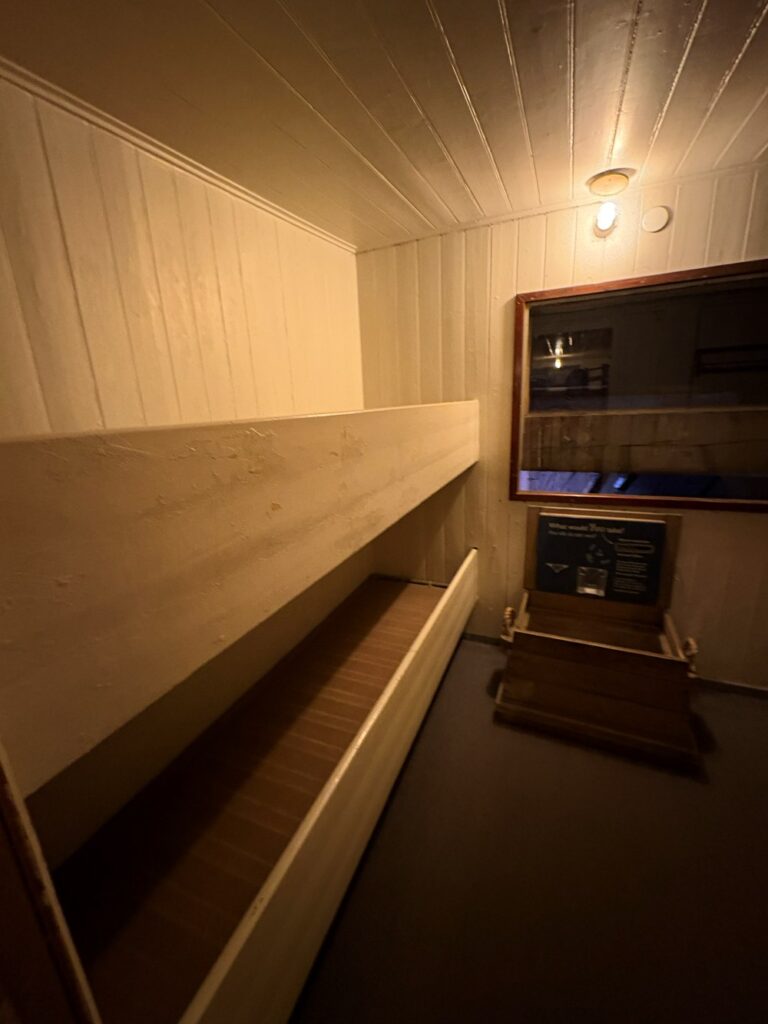
Standing inside the museum and seeing the ship up close really gives you an appreciation for what these explorers endured. It’s not just a museum about a boat, it’s about adventure, survival, and the incredible determination of the people who pushed into some of the most extreme places on Earth.
The Kon-Tiki Museum: One of Oslo’s Most Unique Attractions
Right near the Fram Museum is another fascinating stop: the Kon-Tiki Museum.
Before visiting Oslo, I hadn’t heard about the Kon-Tiki expedition. The museum tells the story of Norwegian explorer Thor Heyerdahl, who crossed the Pacific Ocean on a handmade raft made from balsa wood.
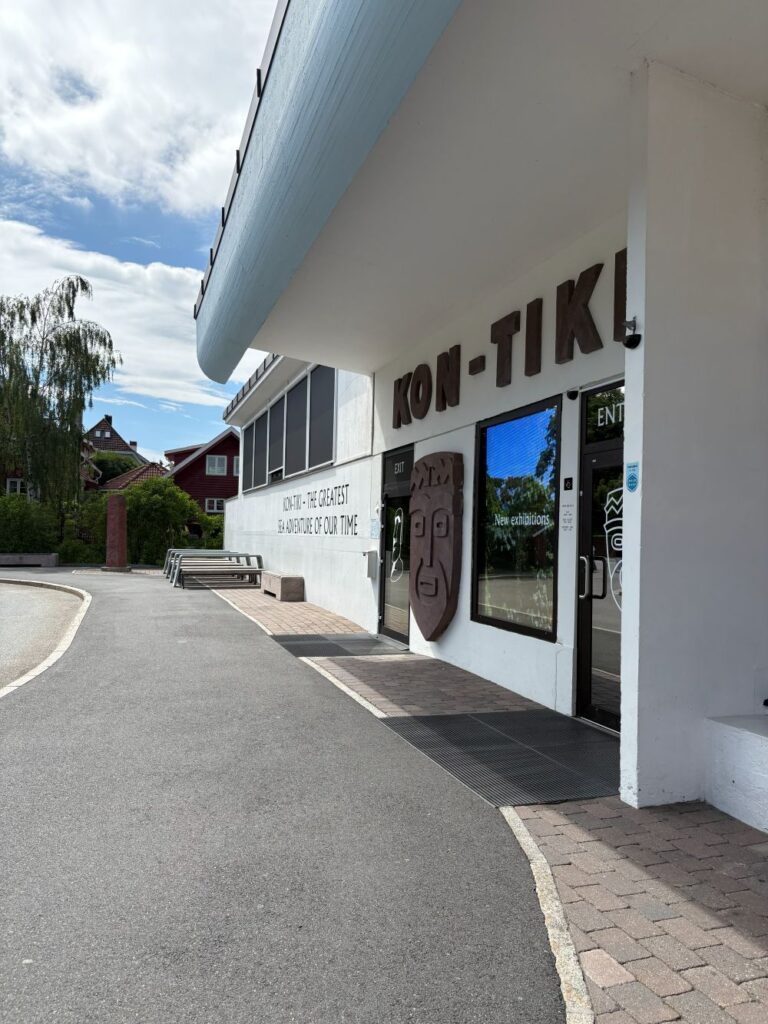

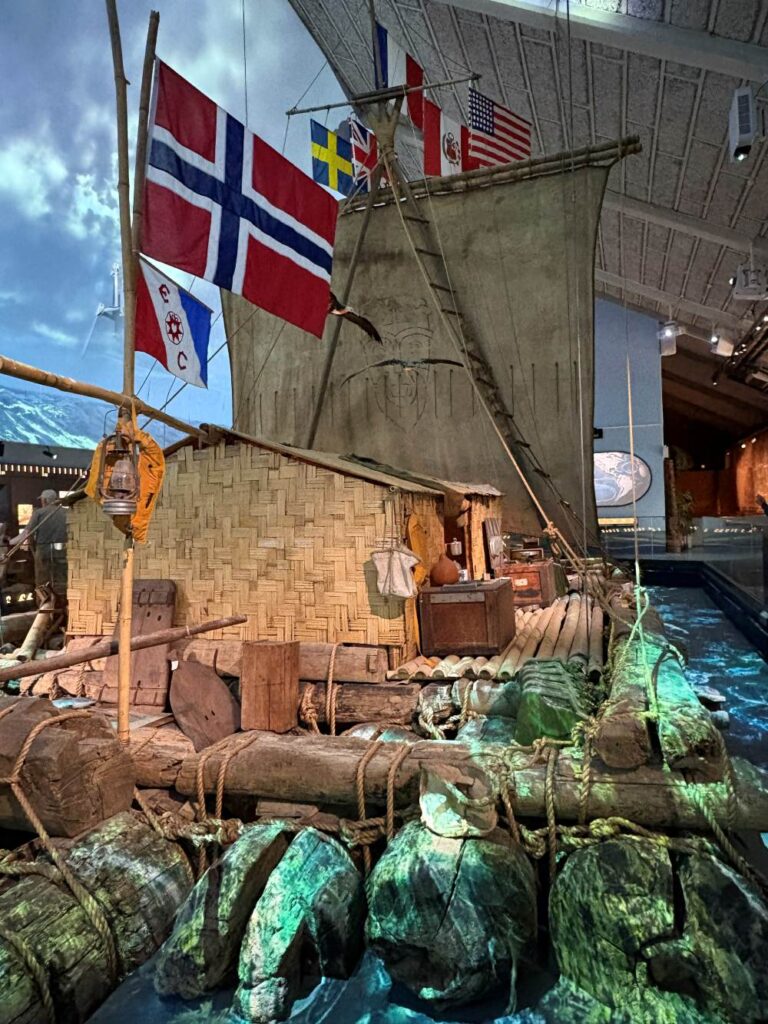
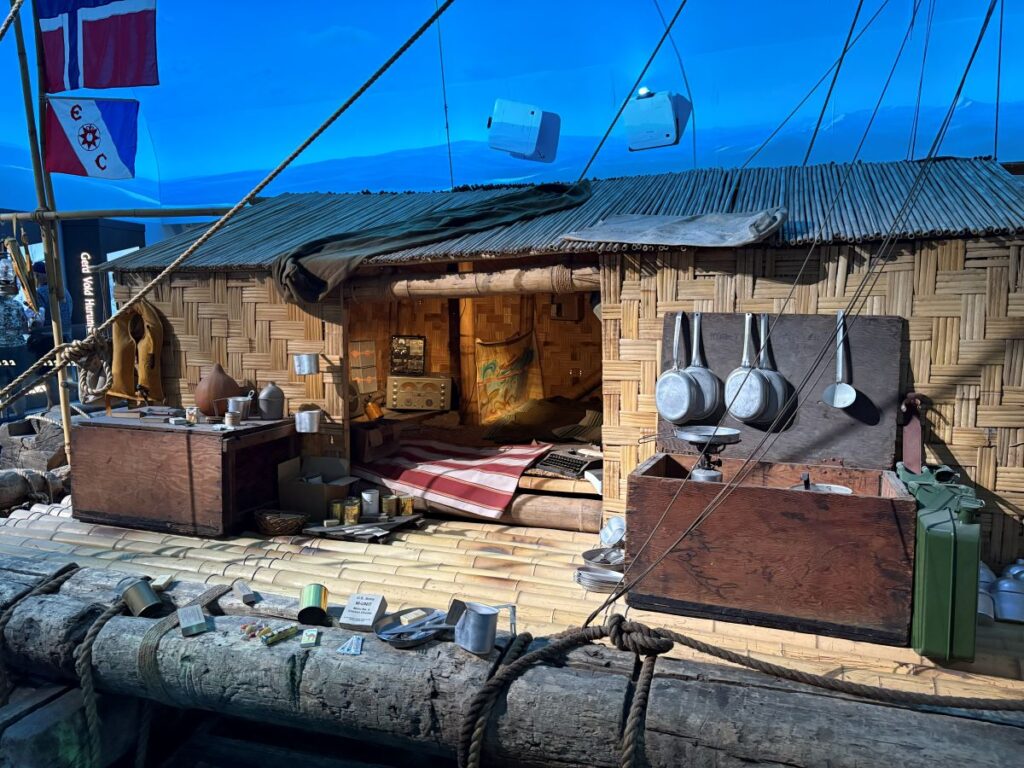

Seeing the actual Kon-Tiki raft inside the museum is incredible. The idea that someone could travel thousands of miles across the ocean on something so simple is hard to imagine today.
The museum does an amazing job explaining the journey, the science behind it, and the courage it took to attempt something so risky. It’s one of those places where you walk in not knowing much and walk out completely fascinated.
Frogner Park and the Incredible Sculptures of Gustav Vigeland
One of the biggest surprises of my time in Oslo was Frogner Park. It’s home to one of the most impressive sculpture installations in the world.
Inside Frogner Park is the Vigeland Sculpture Park, featuring more than 200 works by Norwegian artist Gustav Vigeland. The entire park is dedicated to his sculptures, and it is unlike anything else I’ve seen while traveling.
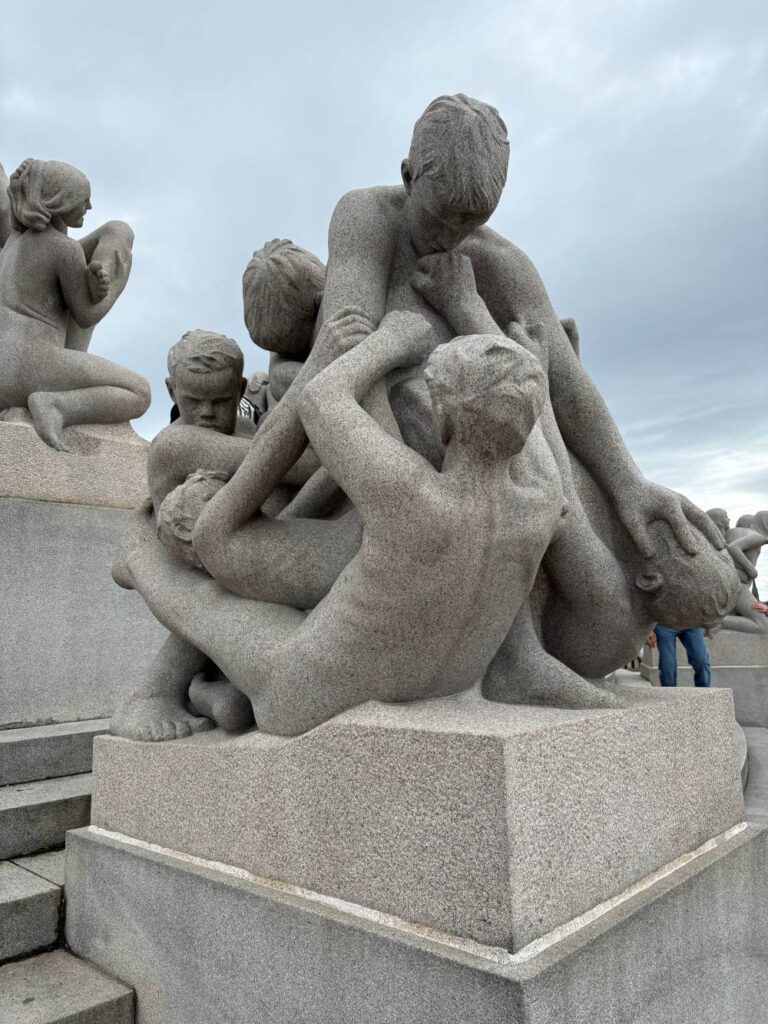
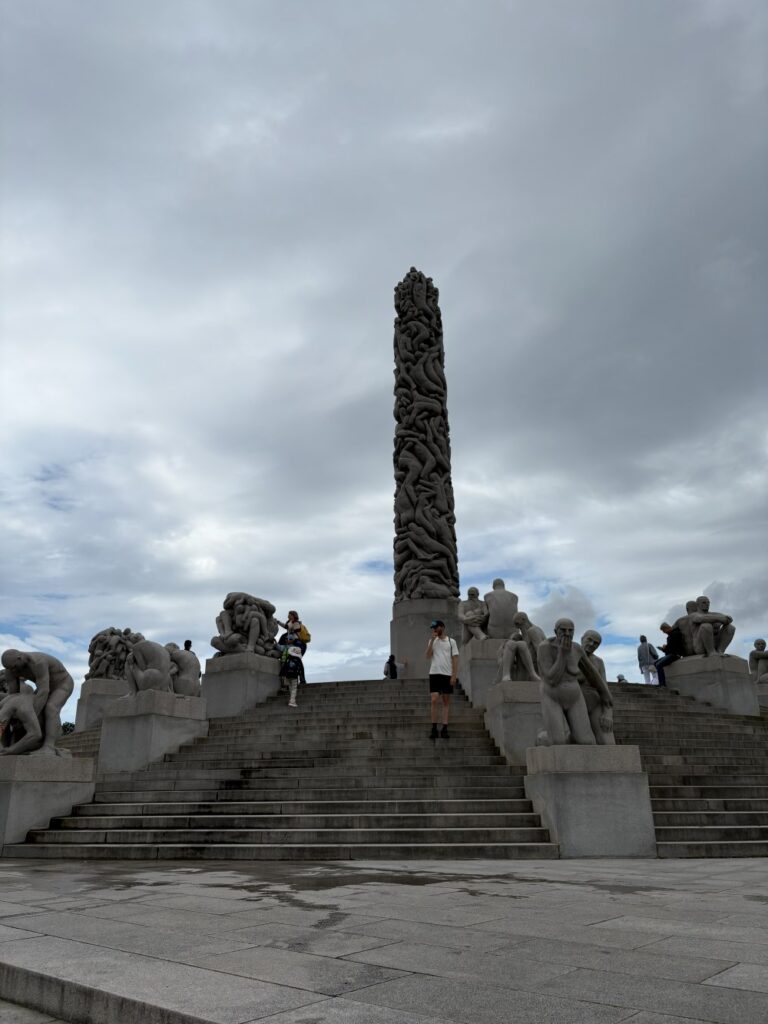
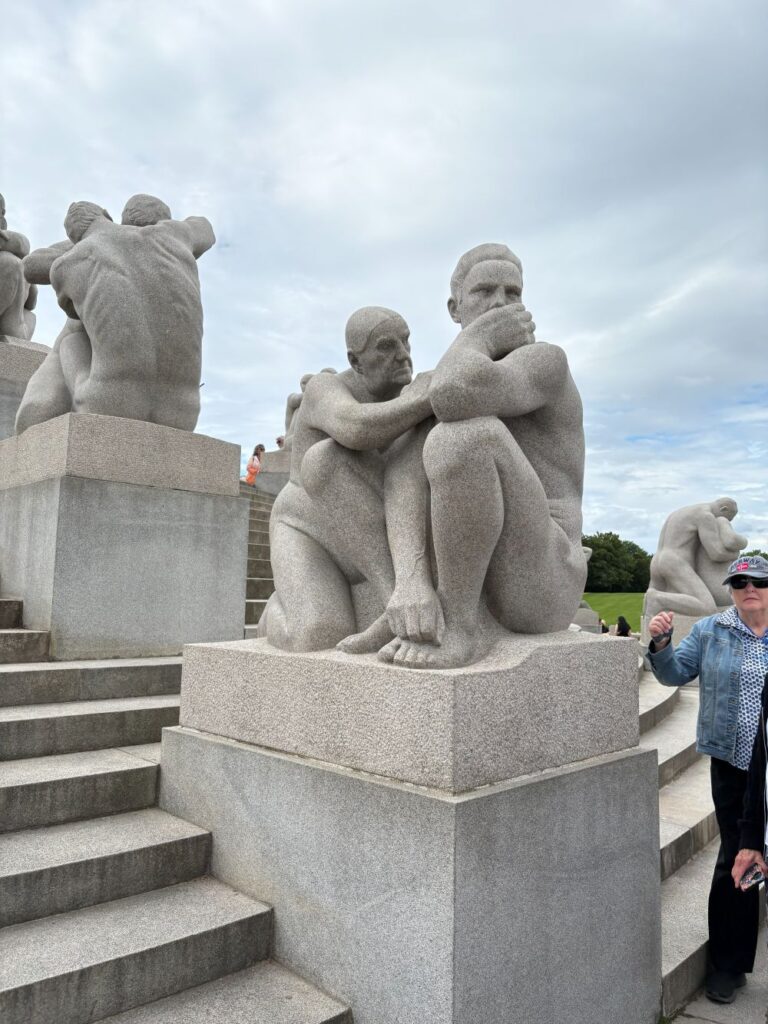
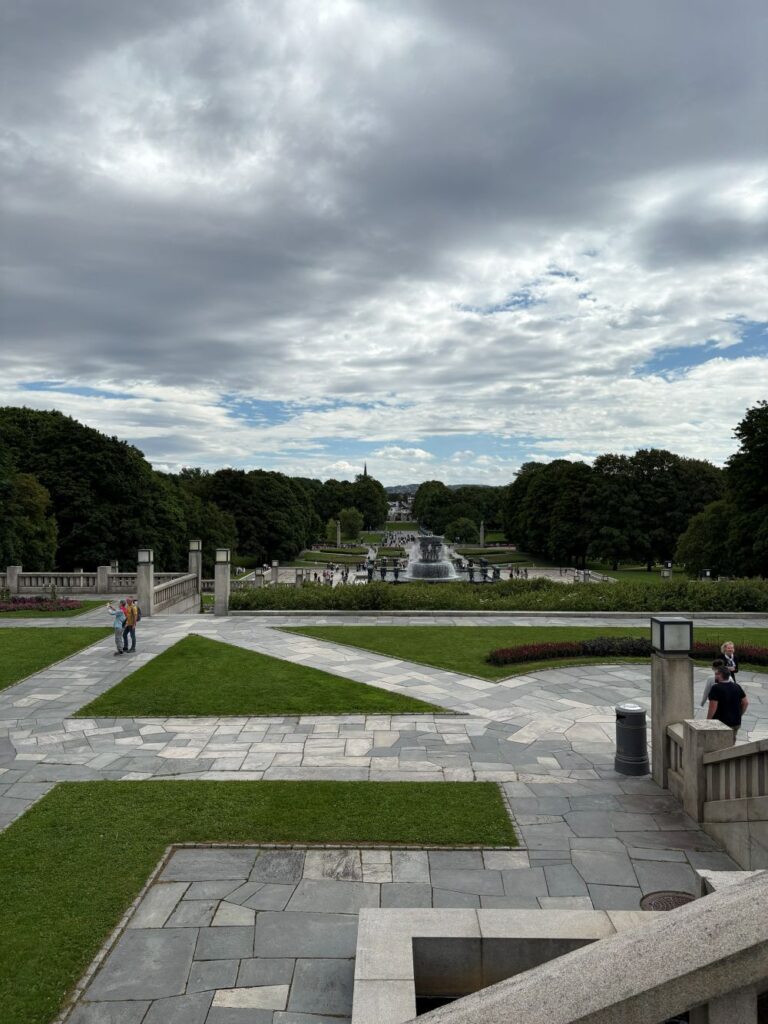
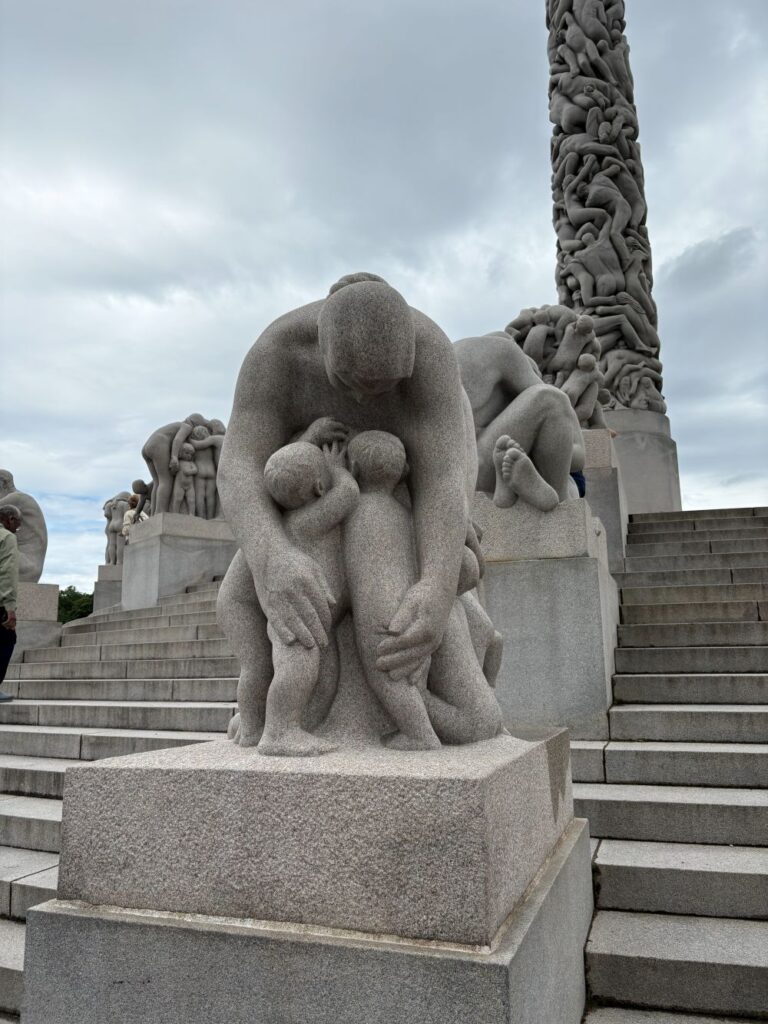
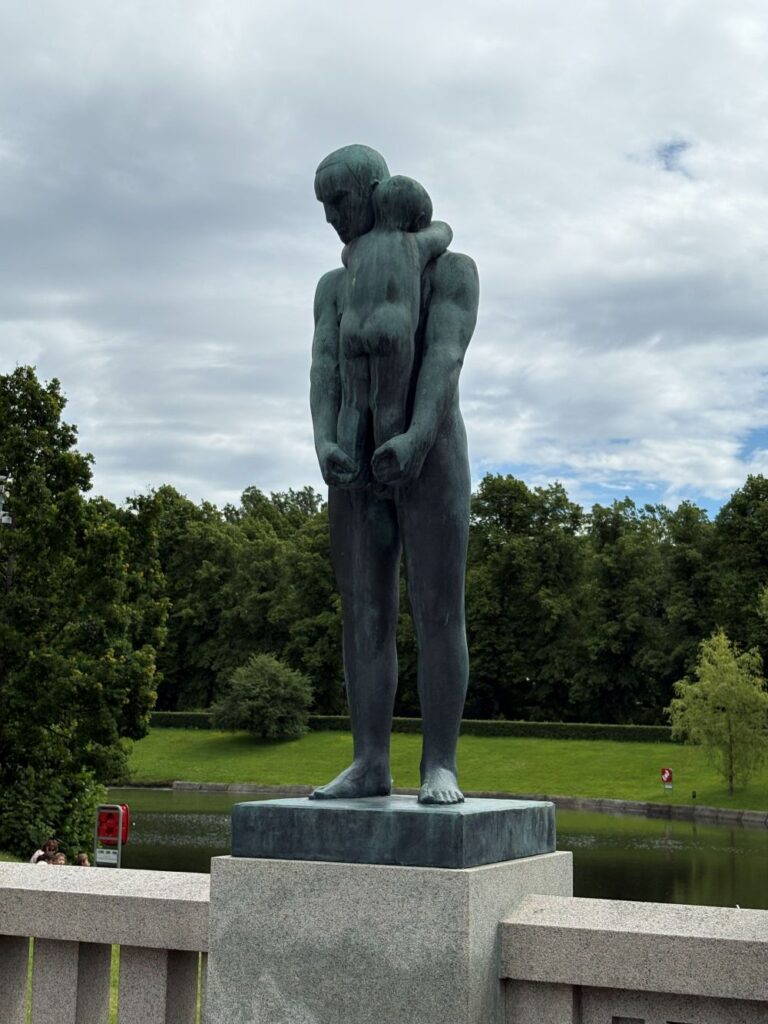
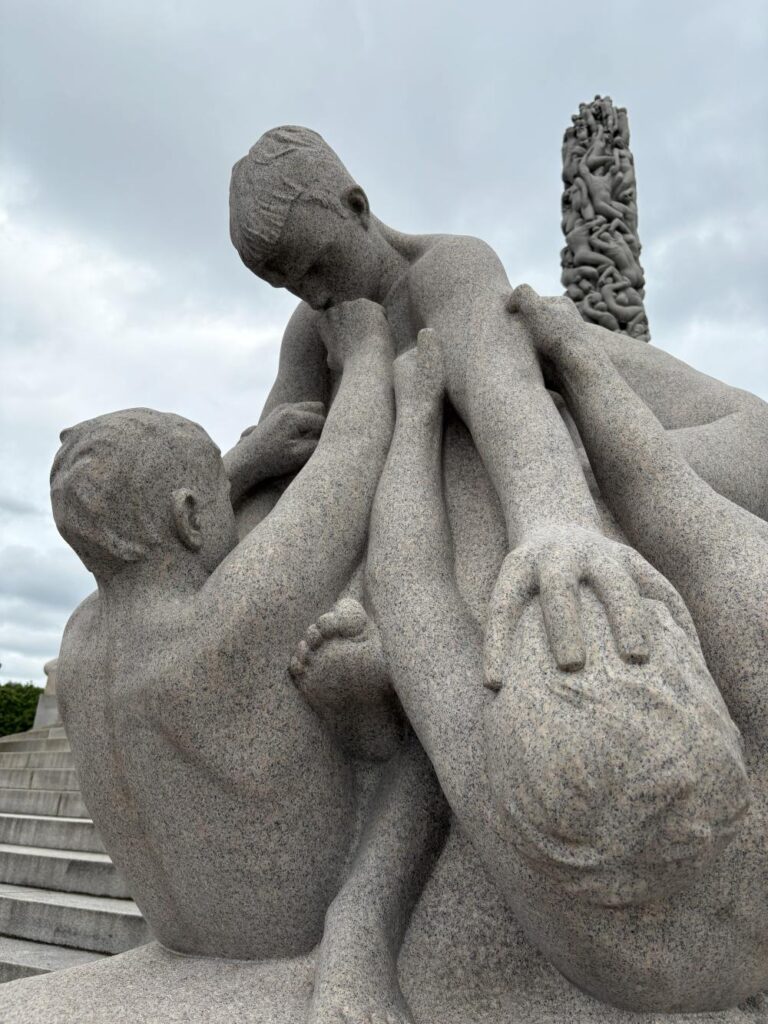
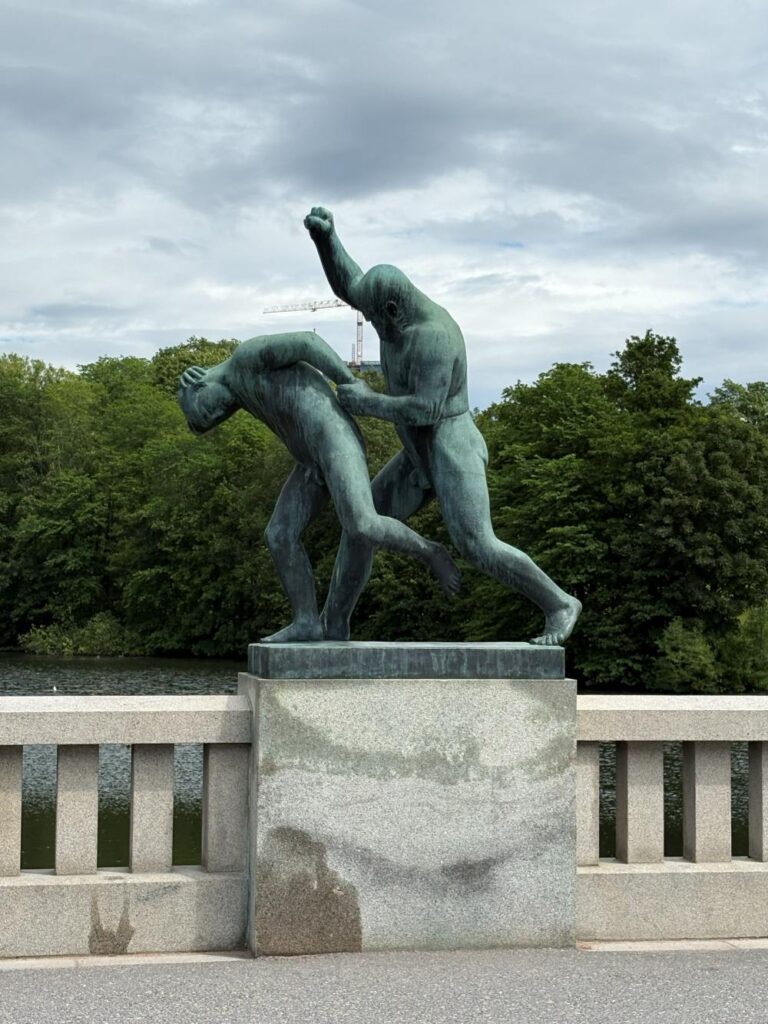
The sculptures focus on the human experience – life, relationships, emotions, aging, and the different stages of being human. Instead of feeling like a traditional museum, the artwork is placed throughout the park, creating a walking experience where the city’s nature and art blend together.
The most famous piece is the Monolith, a towering sculpture carved from a single block of granite featuring intertwined human figures. It’s impressive not only because of its size but because of the detail and emotion captured in the work.
Getting to Know Oslo at Your Own Pace
One of the best things about Oslo is that it rewards slowing down. You don’t have to rush from attraction to attraction to have a great experience.
Walk along the waterfront. Stop for coffee. Browse the neighborhoods. Take in the architecture. Sit in a park and watch everyday Oslo life happening around you.
The city feels very livable, and that’s part of its charm. Oslo isn’t just a collection of famous landmarks, it’s a place where history, nature, art, and modern Scandinavian culture all exist together.
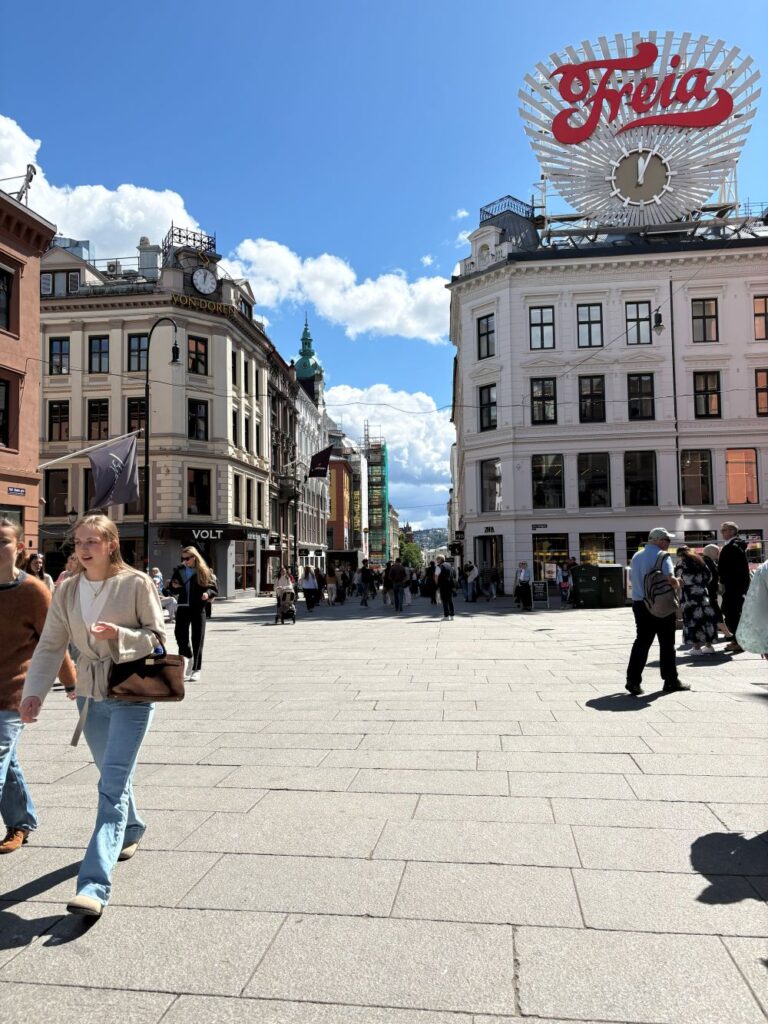
For anyone planning a trip to Norway, I would highly recommend spending a few days in Oslo before heading out to explore the fjords and countryside. The city offers the perfect introduction to Norway: a place that respects its past, celebrates creativity, and embraces the beauty of everyday life.
Oslo may not always be the first city people think of when planning Europe trips, but after visiting, it’s easy to understand why so many travelers fall in love with it.
Oslo Travel Tips
- Stay central if possible – Oslo is very walkable, and being near the city center makes exploring much easier.
- Use the train from Oslo Airport for an easy and affordable transfer, or take an Uber if you prefer convenience.
- Book a walking tour early in your trip to get familiar with the city.
- Don’t skip the museums – Oslo’s history and exploration stories are some of the best parts of visiting.
- Leave time for Frogner Park – it’s one of Oslo’s most unique and memorable attractions.
Final Thoughts on Things to Do in Oslo
From waterfront walks and impressive museums to royal landmarks and beautiful parks, Oslo offers something for every type of traveler. If you’re planning a trip to Norway, don’t overlook the capital. It might just become one of your favorite stops.