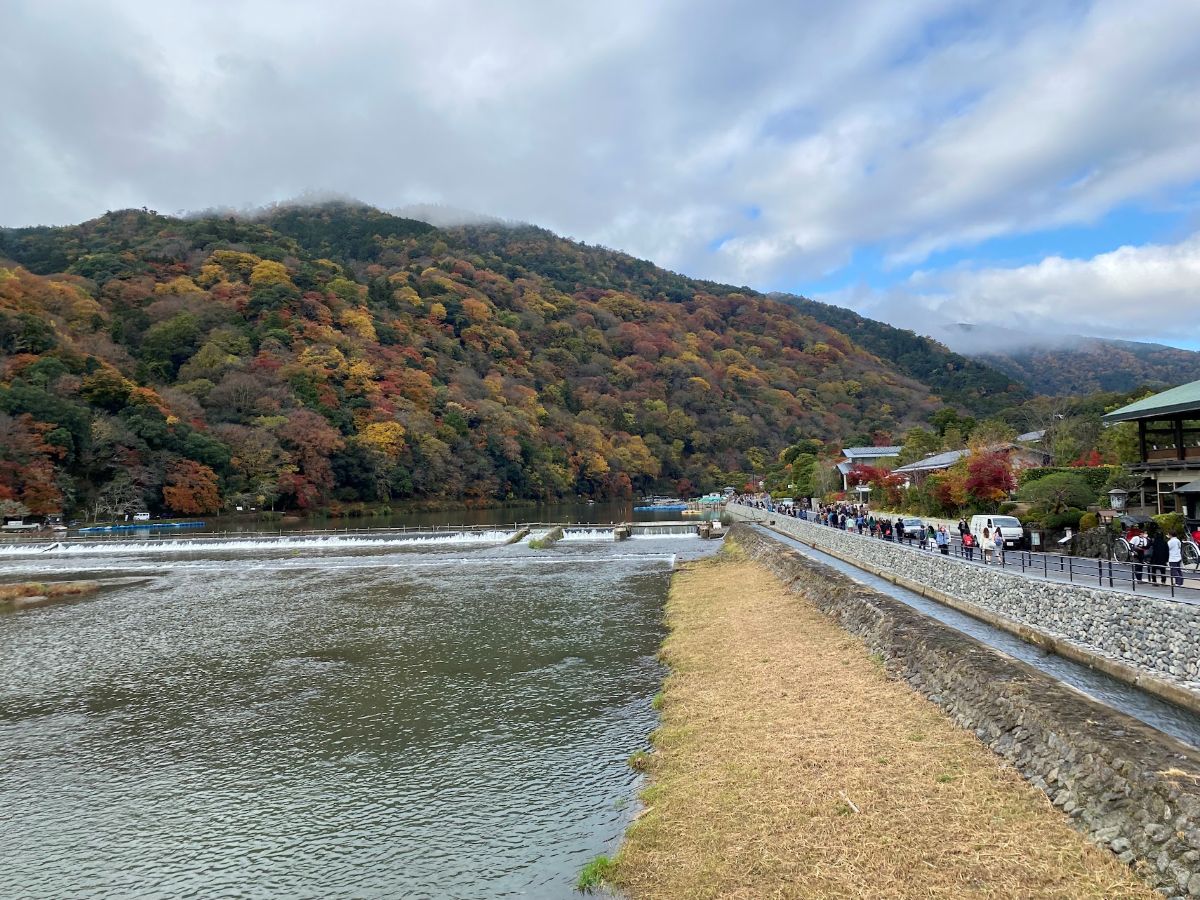
There are few places more beautiful than Kyoto, Japan, during the fall season. I visited Sandy in Japan while she was working in Asia for a few months, and I’m so thankful we made time for Kyoto. Between the fall foliage, temples, bamboo forests, matcha and amazing food, it ended up being one of the highlights of the trip.
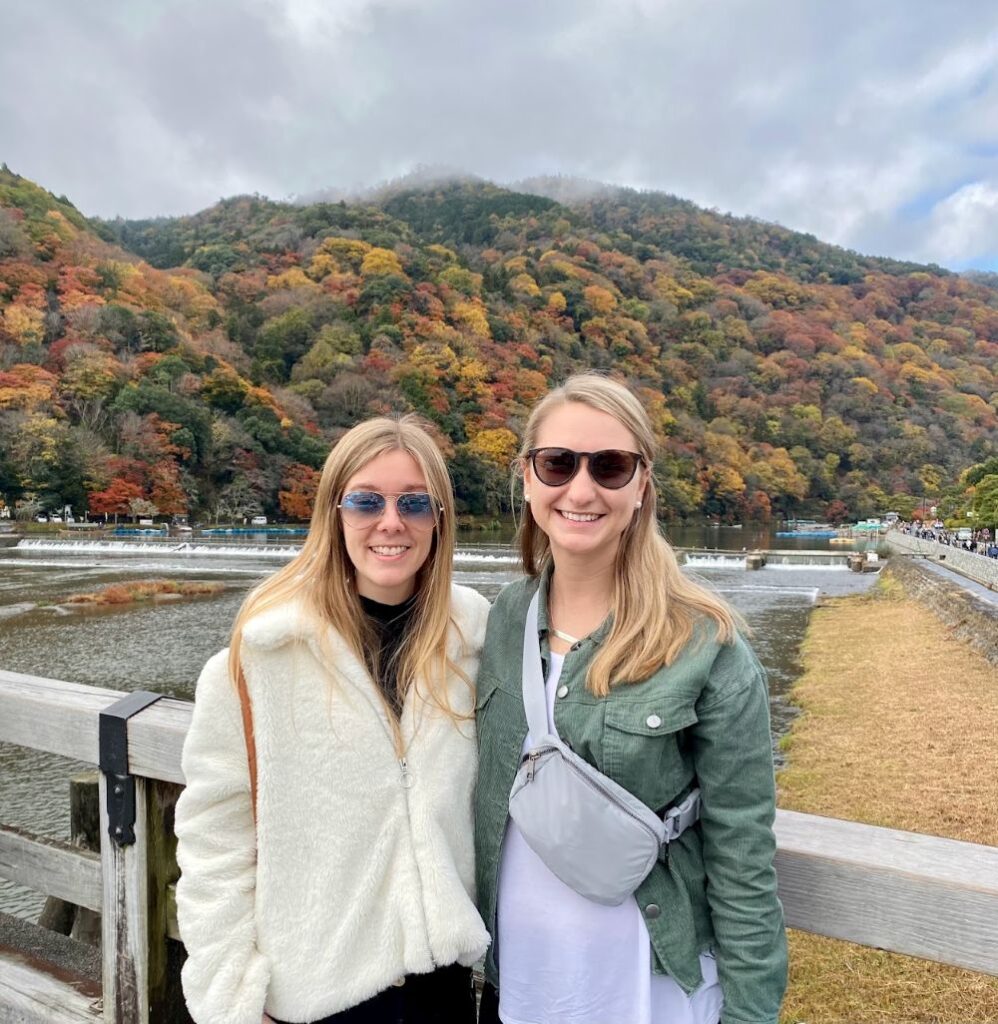
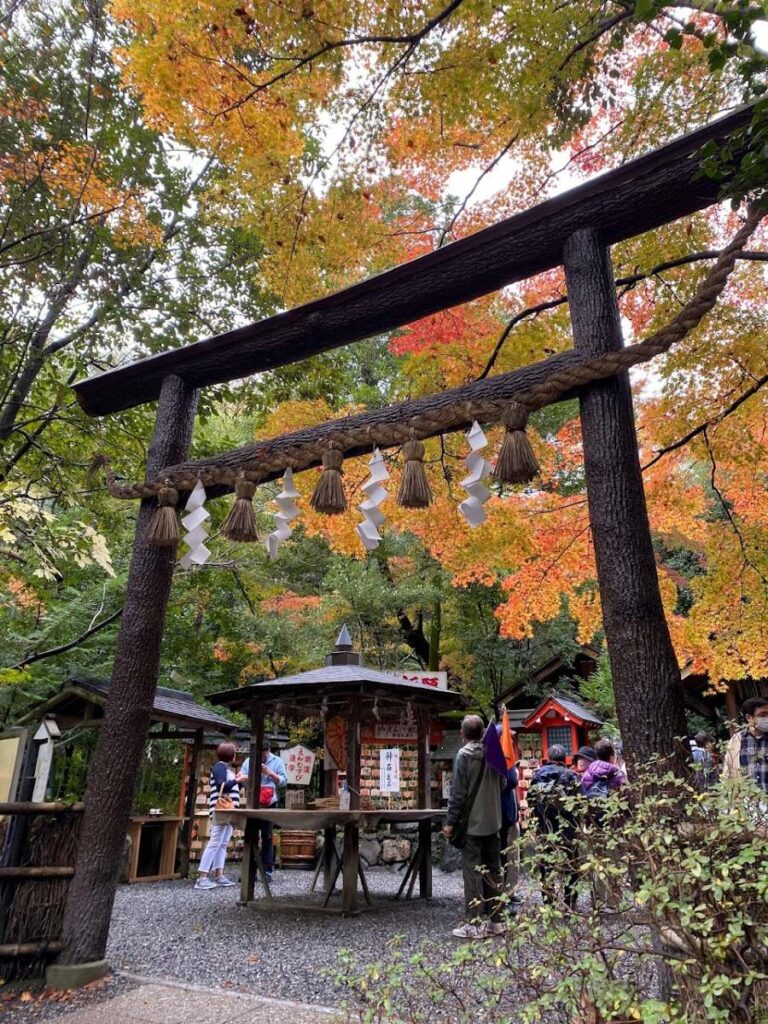
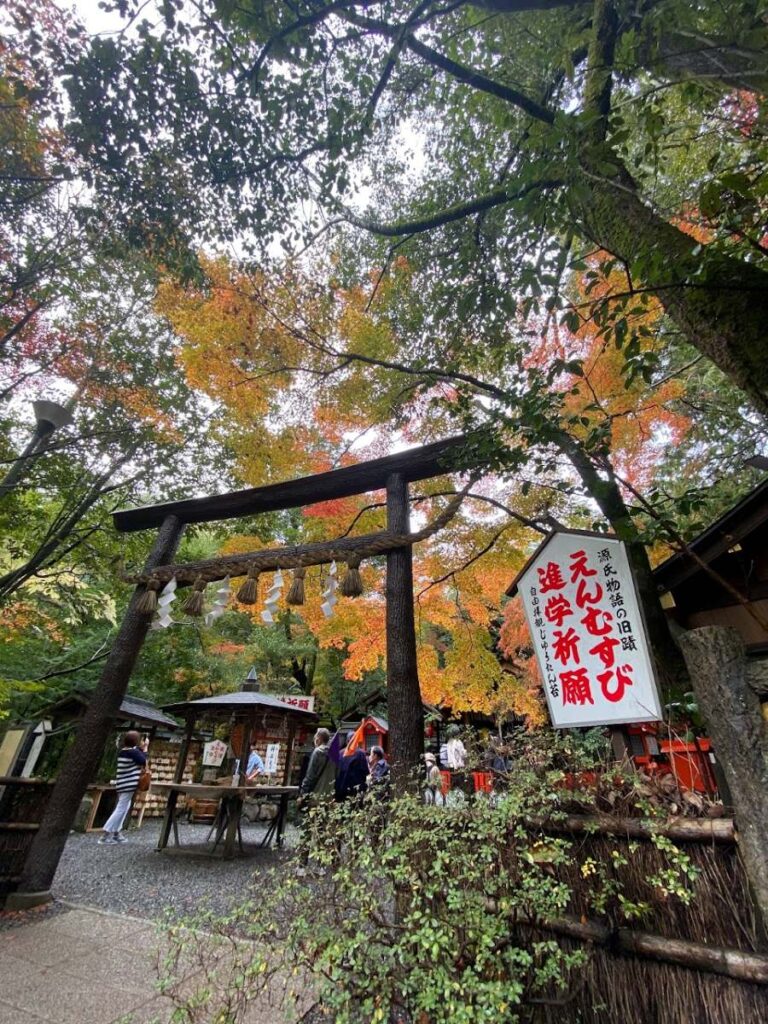
Being from New York, we’re used to fall colors arriving much earlier in the year, so experiencing fall in Japan was a little different for us. Depending on where you go, the timing can vary, but Kyoto’s foliage comes much later than what we’re used to at home. The same was true during our time in Hiroshima and Tokyo, where we were still seeing fall colors well into November. We visited Kyoto on November 21, and the leaves were just starting to really change. There were already plenty of reds, oranges and yellows, but I can only imagine what Kyoto looked like another week or two later!
Affiliate Disclosure: Some of the links on this site are affiliate links. This means we may earn a small commission at no extra cost to you if you make a purchase through them. Read the policies to know more.
When to Visit Kyoto for Fall Foliage
If seeing Kyoto’s fall colors is high on your list, late November is generally a great time to plan your trip. Of course, peak foliage varies from year to year depending on the weather, so there’s never a guarantee that you’ll catch it at exactly the right moment. Even without everything being at peak color during our visit, Kyoto was beautiful. The city’s temples, gardens and historic streets already make it one of the most picturesque places in Japan, and adding red and orange maple leaves makes it even better.
Just keep in mind that you’re definitely not the only person with this idea! Fall is a popular time to visit Kyoto, so expect crowds at some of the city’s most famous attractions. If there are certain places you really want to see, try visiting earlier in the day when possible.
Visit the Arashiyama Bamboo Forest
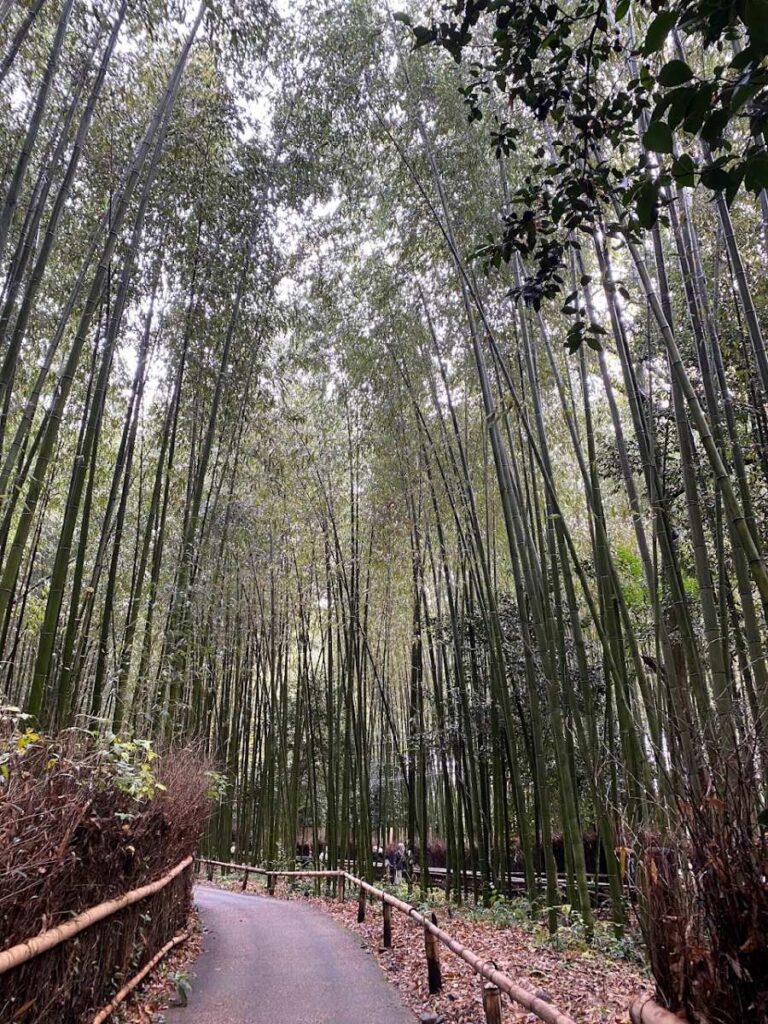
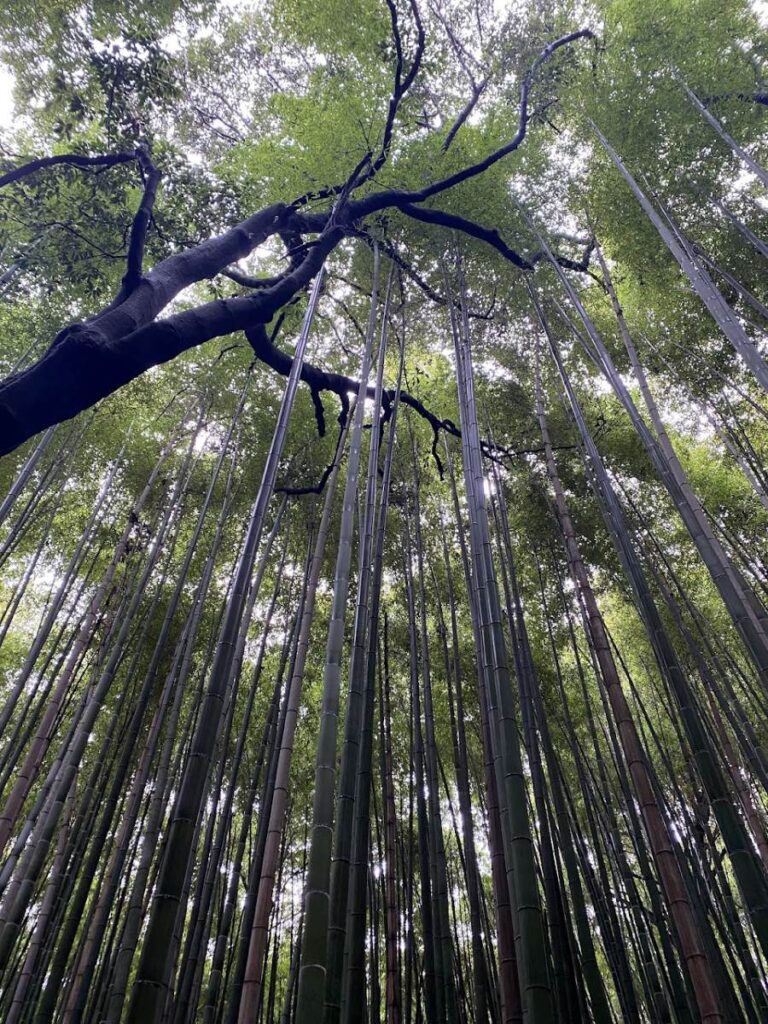
Another nature masterpiece in Kyoto is the Arashiyama Bamboo Forest. It’s one of the most photographed places in Kyoto, and for good reason. Walking through towering bamboo is completely different from seeing it in photos. The day we went, it was actually a little difficult to capture the bamboo the way I wanted because of how the sunlight was hitting it — and I only had my old iPhone at the time — but trust me, it is a sight worth seeing in person.
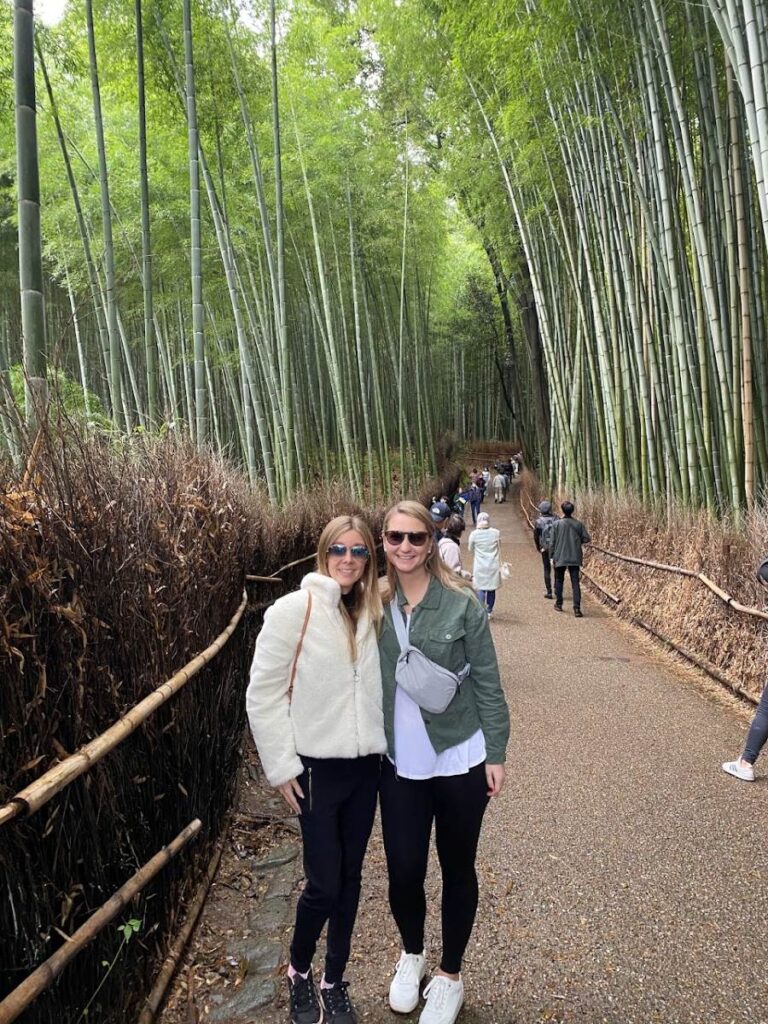
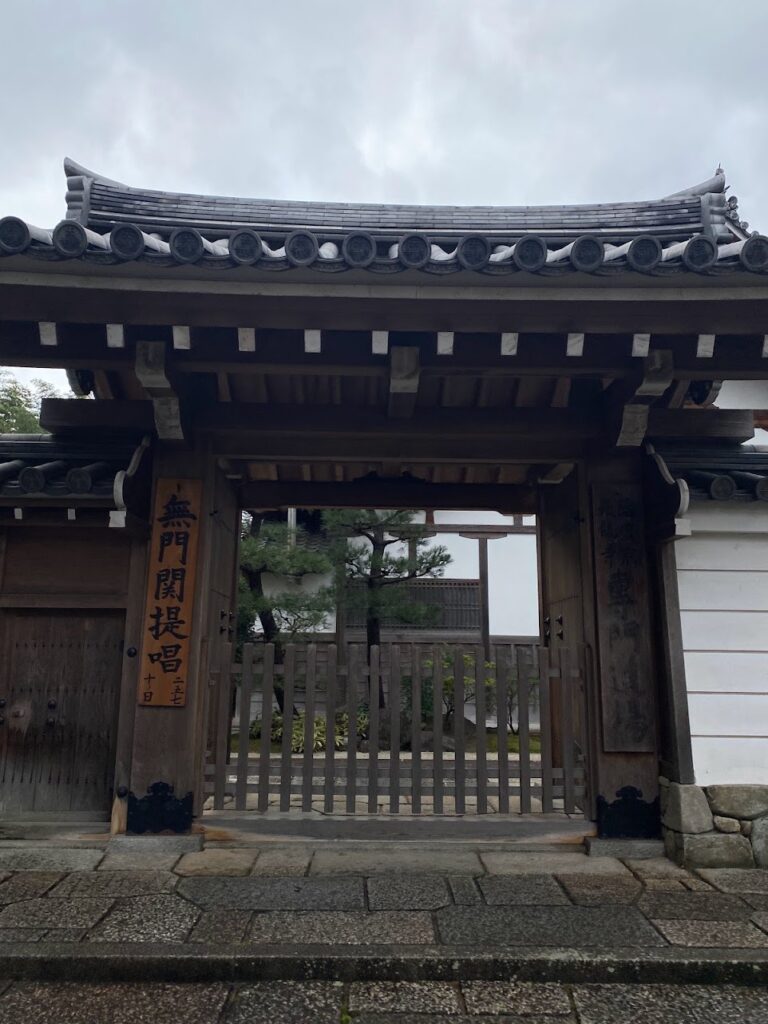
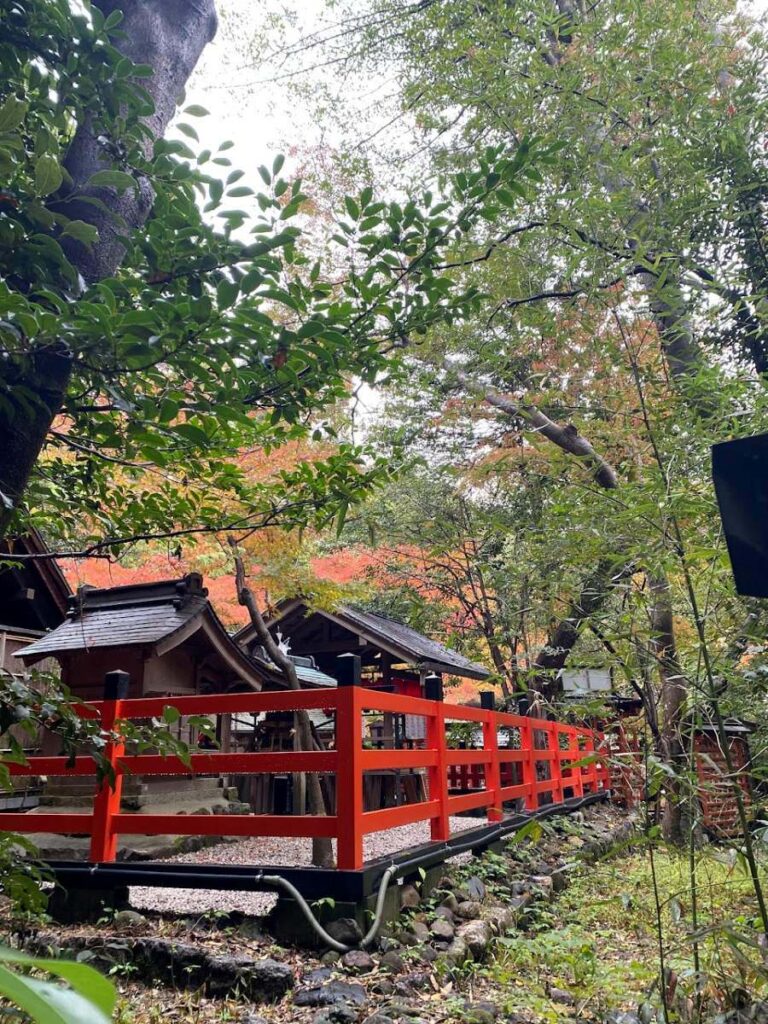
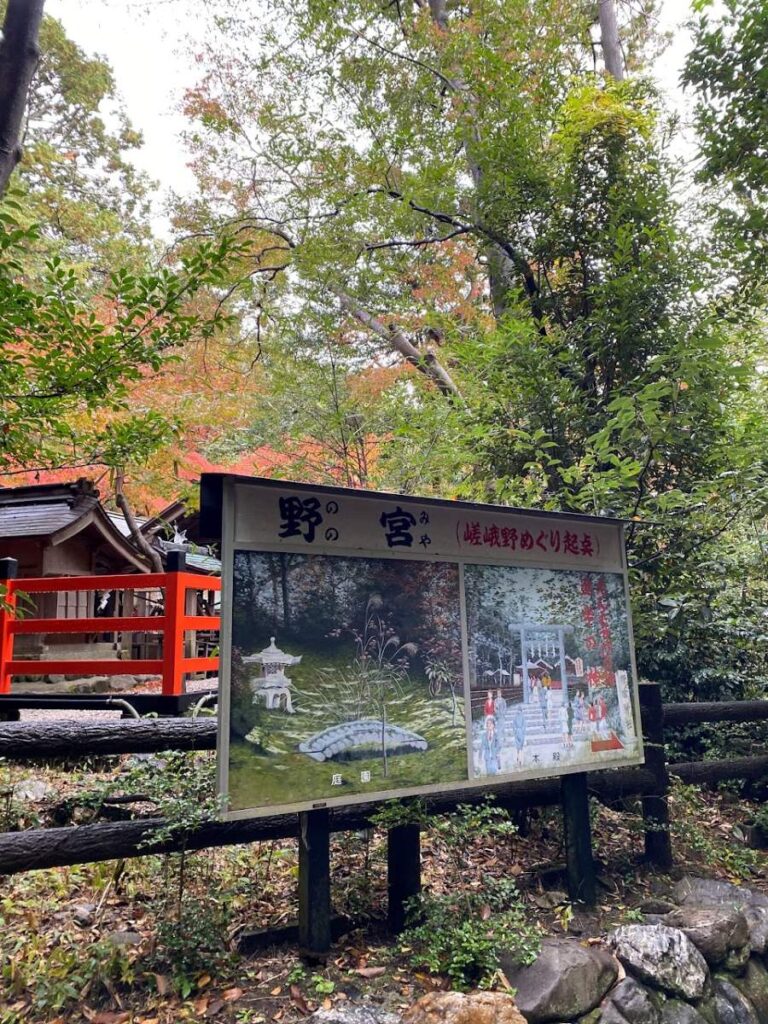
Arashiyama is also more than just the famous bamboo path. There are temples, shrines and other places to explore throughout the area, so I’d give yourself some time rather than visiting only long enough to snap a photo in the bamboo grove.
Experience Matcha in Kyoto
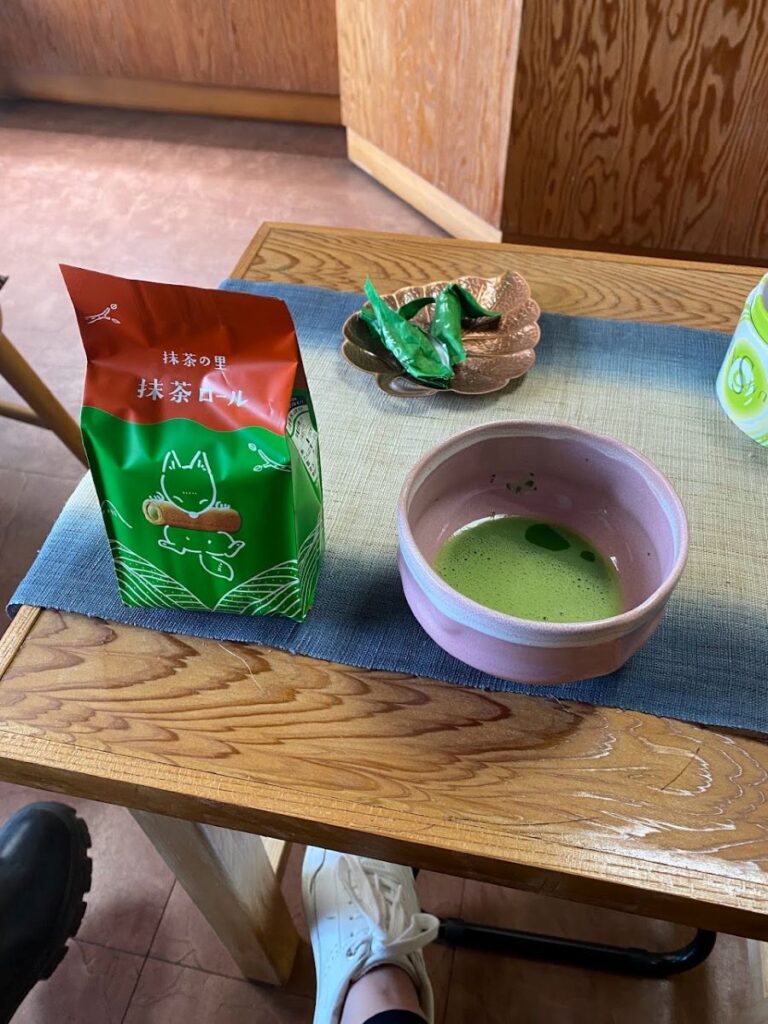
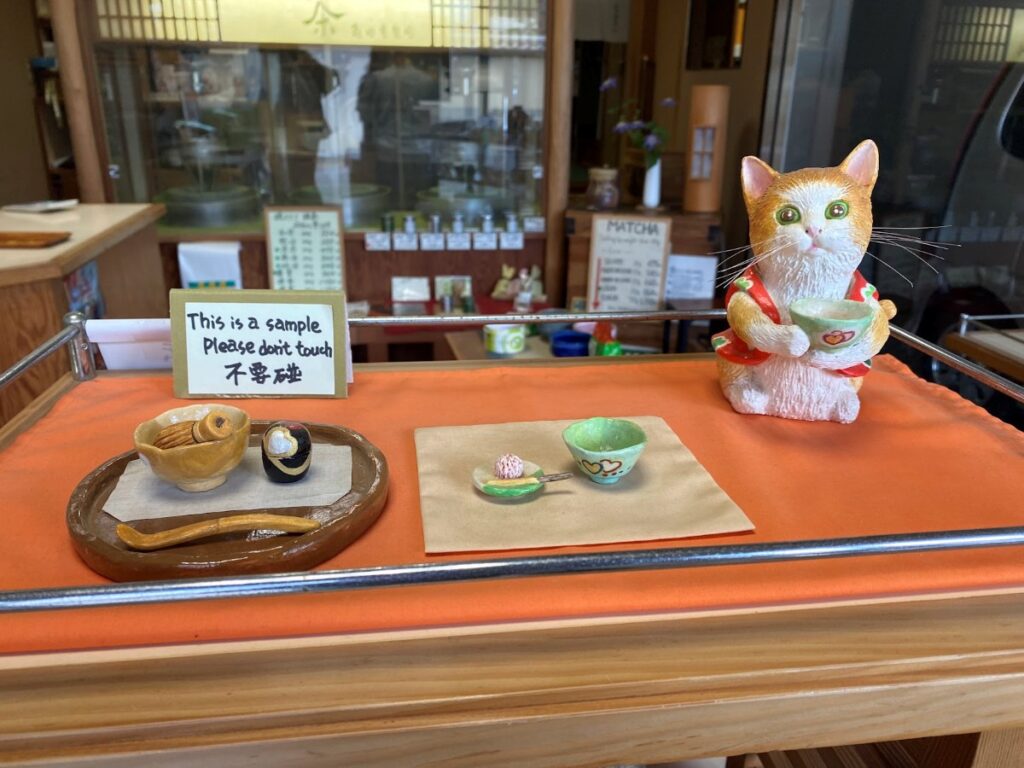
Aside from its beauty, Kyoto is also famous for matcha, and this was another one of my favorite parts of our visit. I have to say, the matcha we had in Japan was MUCH different from what I had tried in the U.S. It was really good and flavorful, and several places paired the matcha with a small dessert. One of ours was a red bean-filled dessert that I was pretty convinced I wouldn’t like, but it ended up being pretty yummy!
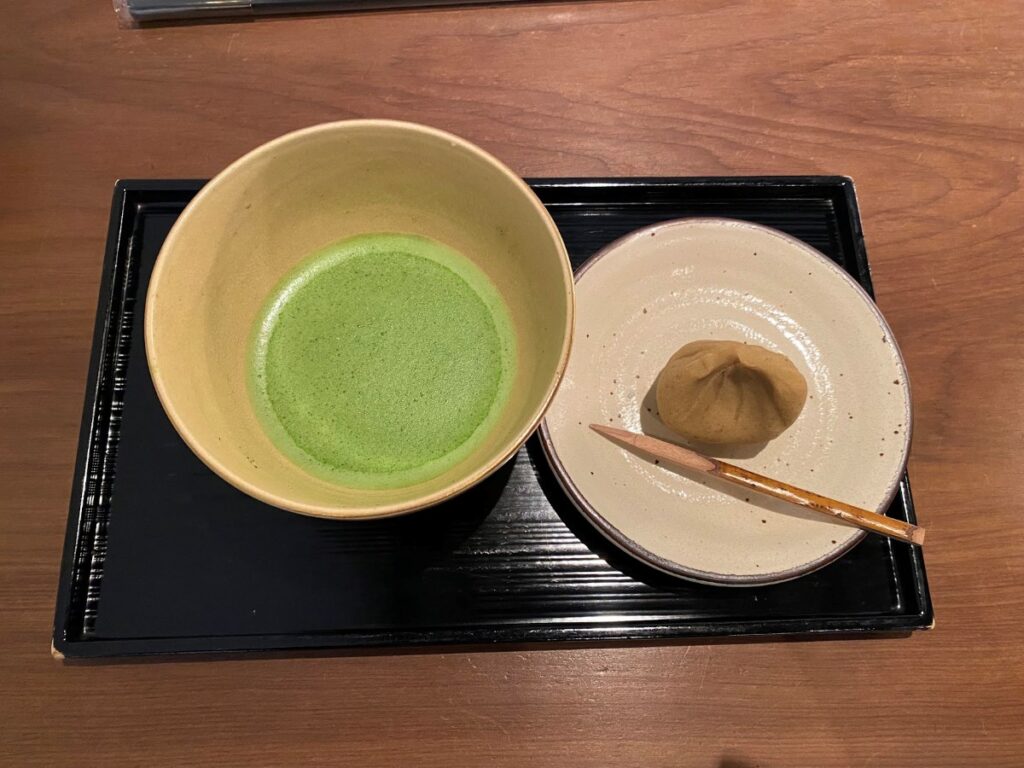
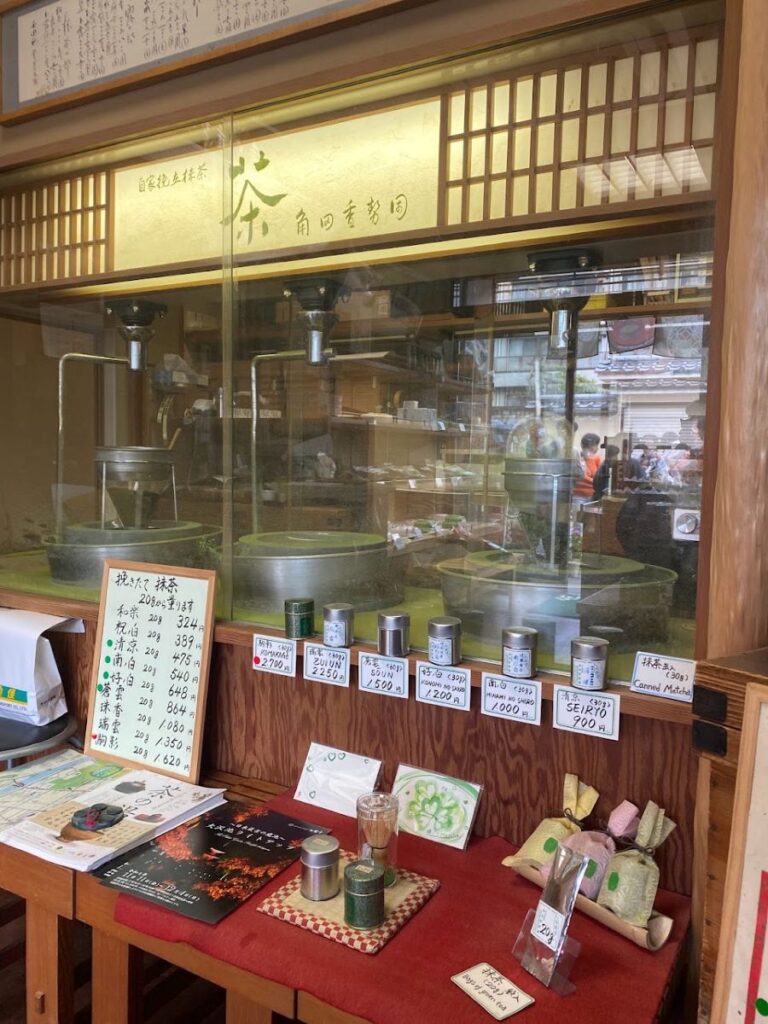
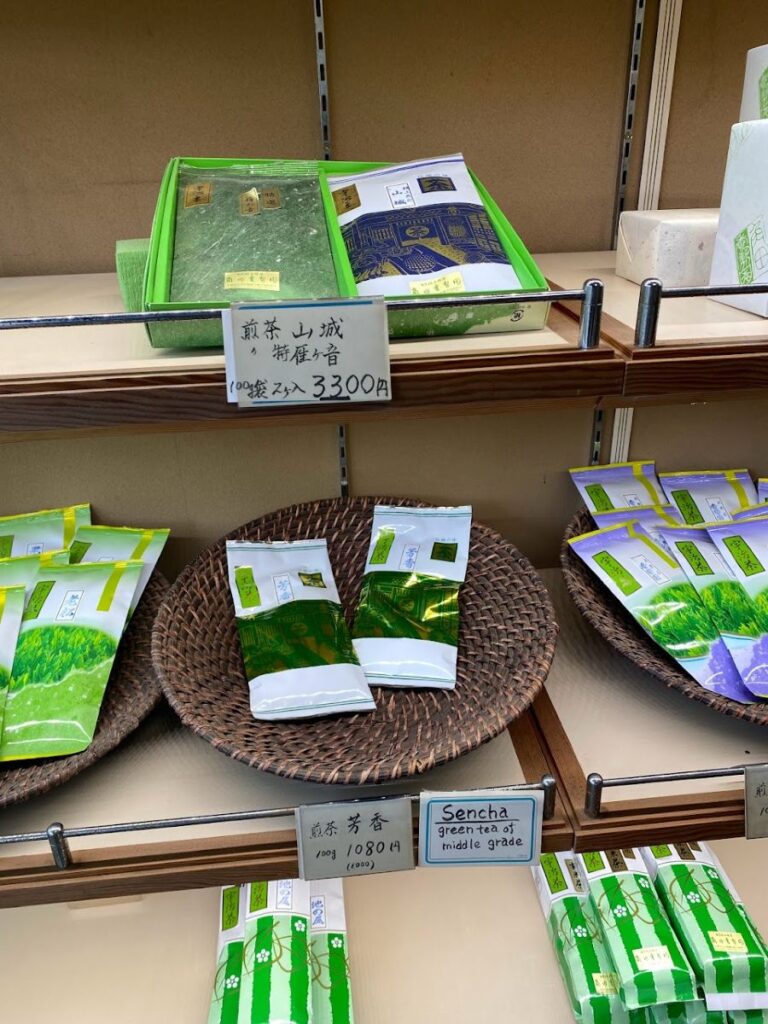
We also did a matcha tasting at another shop, where we learned more about the different types and how to prepare it correctly. I ended up buying a couple of kinds to bring home. If you’re planning to bring some home too, ask the shop about storage and shelf life so you can keep it fresh for as long as possible. Even if you’ve only ever tried the American coffee-shop version of matcha, definitely make time to experience it while you’re in Kyoto.
What to Eat in Kyoto
It’s probably no surprise that Kyoto also has amazing food. I’m not a huge sushi or seafood person, so Japan might seem like an interesting choice for me food-wise, but luckily there is SO much more to Japanese food than sushi. Give me a good noodle dish and I’m happy!
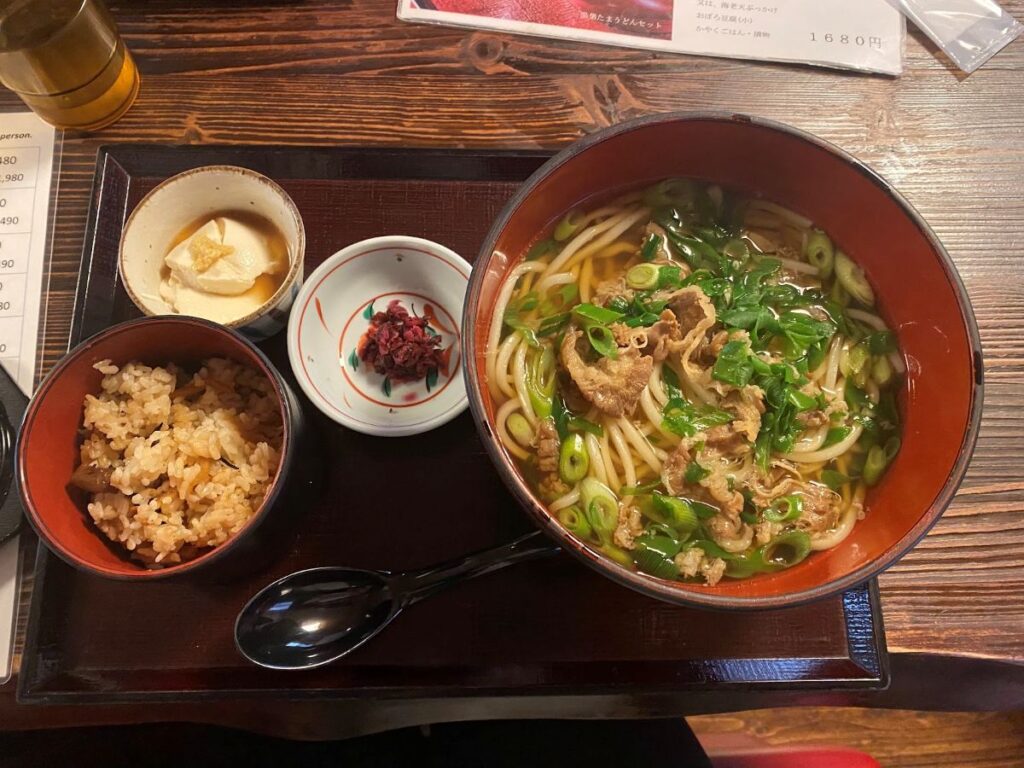
Whether it’s ramen, soba or udon, you’ll find plenty of noodle shops around Kyoto. Some are tucked into small streets and alleys, while others are close to the city’s temples and major attractions. Noodles and rice ended up being one of our dining highlights in Kyoto, and I’d recommend leaving room in your itinerary to wander around and try different places rather than planning every single meal ahead of time.
Here are some popular noodle restaurants in Kyoto:
- Chuka-Soba Rantan
- Yakimeshi to Men Kyoto
- RAMEN MURAJI
- KYOTO ENGINE RAMEN
- Japanese Noodle ISSUN BOUSHI
- Gion Duck Noodles
- Handmade Udon & Soba Shōraku
- Kyoto Shijo Kuon
More Places to See Fall Colors in Kyoto
While Arashiyama is one of Kyoto’s most famous stops, there are plenty of other places throughout the city known for beautiful autumn scenery. Kiyomizu-dera is one of Kyoto’s iconic temples and becomes even more beautiful surrounded by fall colors, while Tofuku-ji is another popular spot during autumn, particularly for its maple trees.
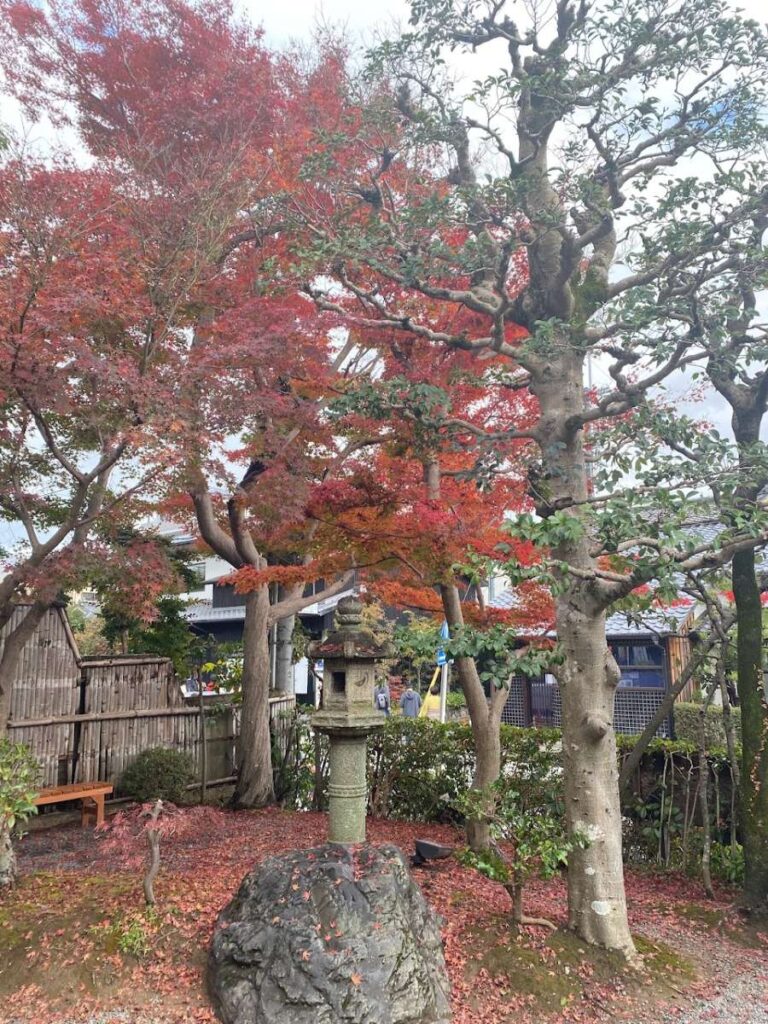
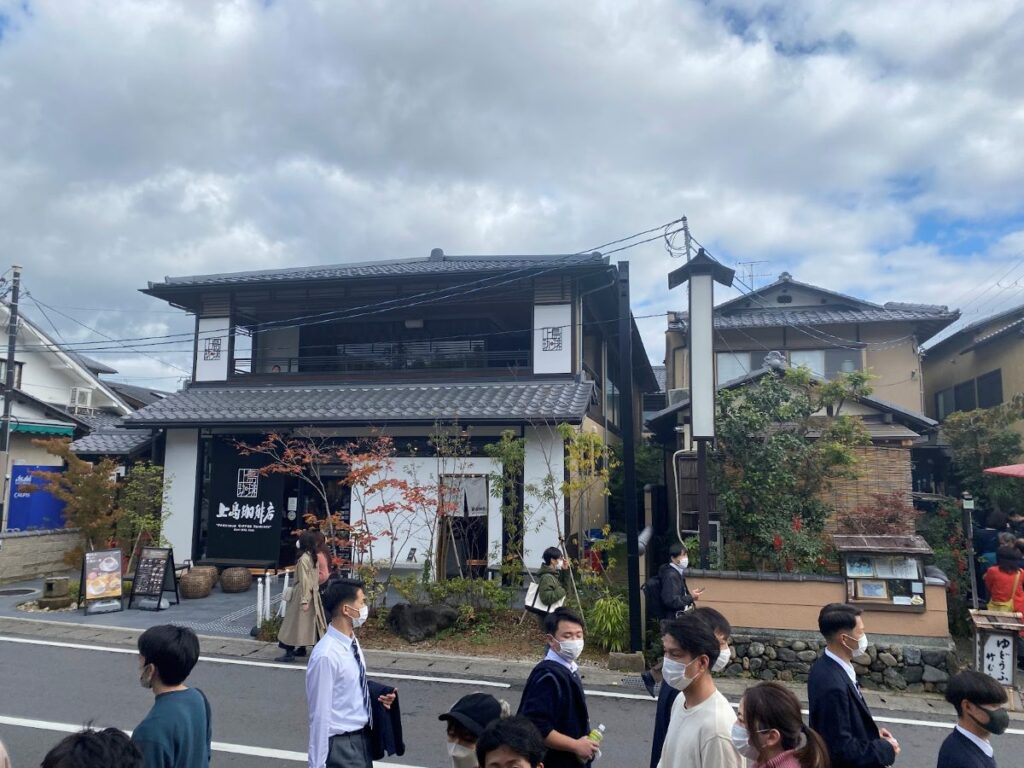
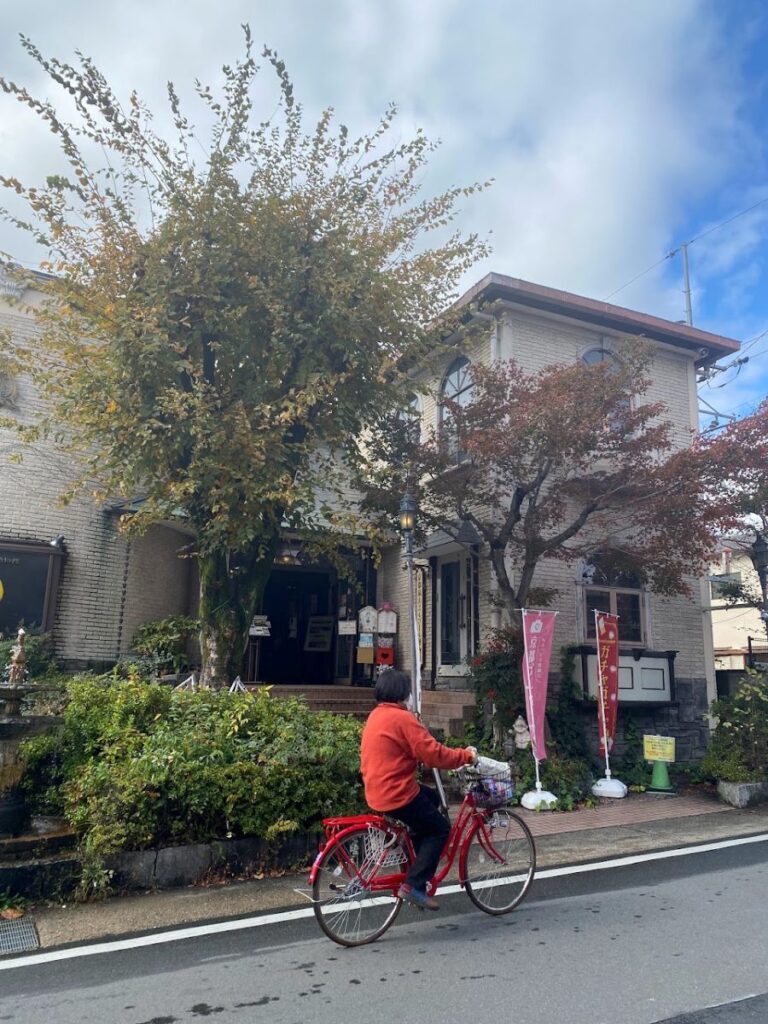
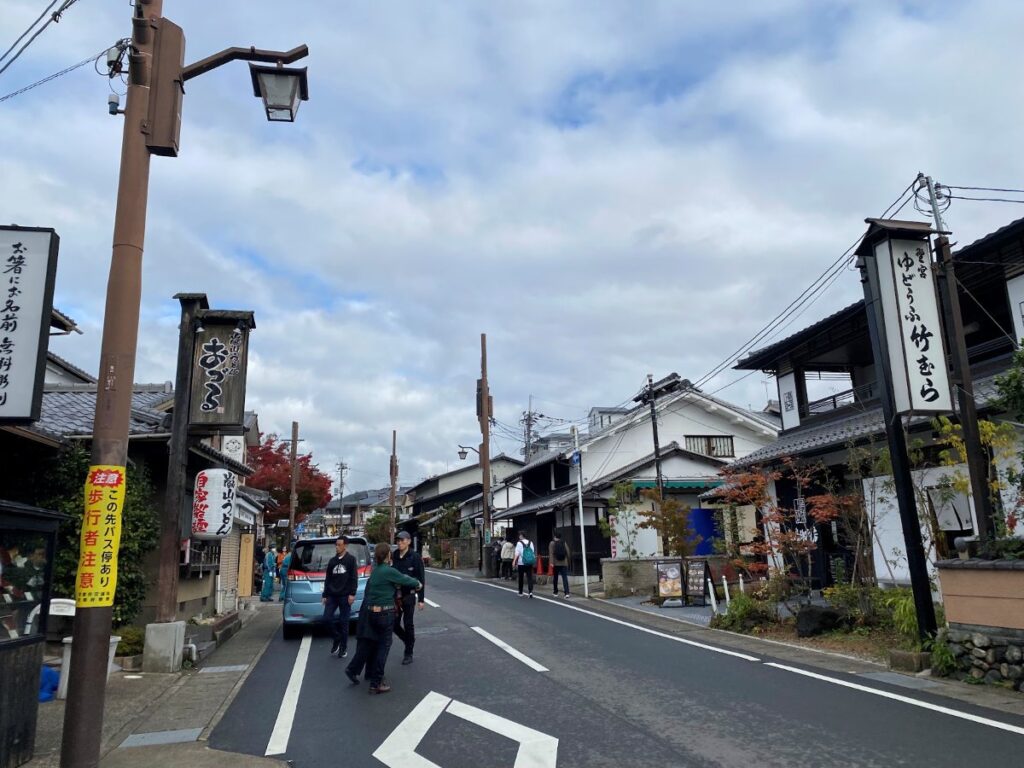
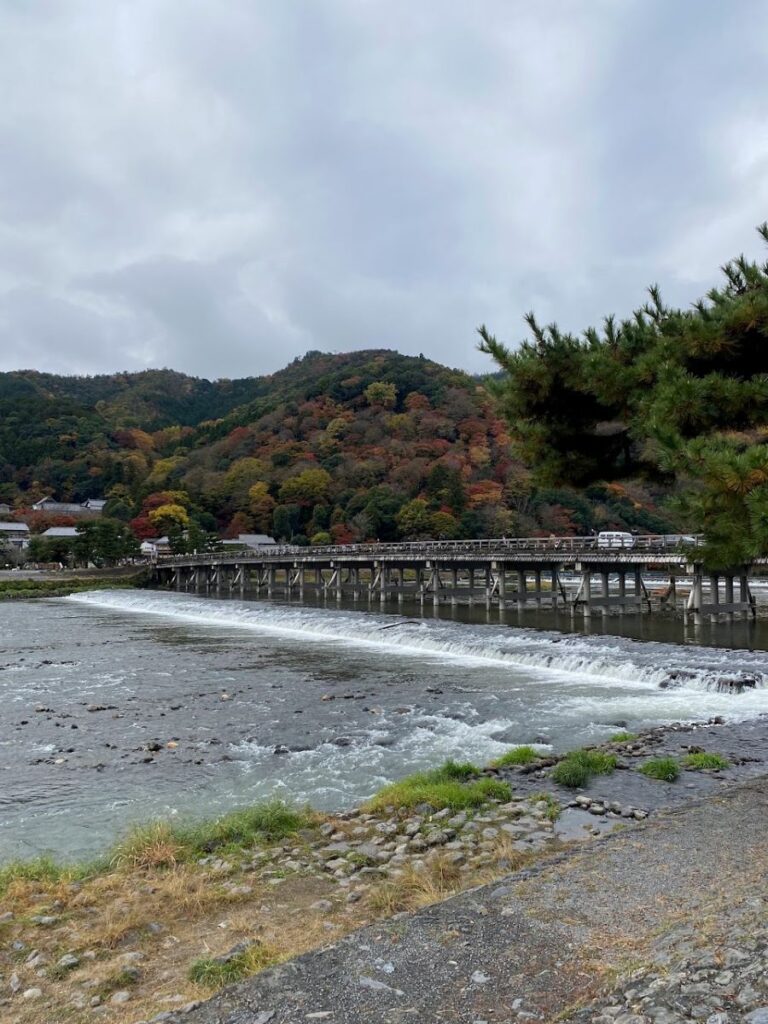
Gion is also worth exploring whether or not you’re specifically looking for foliage. The historic streets give you a completely different feel from the more modern areas of Japan, and it’s one of those places where simply walking around is part of the experience. If you’re visiting during peak fall foliage, I’d plan for popular locations to be busy and give yourself extra time to explore.
Where to Stay in Kyoto
With so many hotels and different neighborhoods, figuring out where to stay in Kyoto can be a little overwhelming. While Gion is probably one of the first areas you’ll come across when researching a trip, you don’t necessarily need to stay directly in Gion to experience Kyoto. For most first-time visitors, I’d look around Kawaramachi, Sanjo and Gion. Staying around Kawaramachi or Sanjo puts you close to restaurants, shopping and public transportation, while Gion gives you more of the historic Kyoto atmosphere many people picture when planning their trip.
Another thing to consider is how close your hotel is to a train or subway station. Kyoto is fairly easy to get around, so sometimes having convenient transportation nearby is more valuable than staying directly next to a particular attraction.
We stayed at the Hilton Garden Inn Kyoto Shijo Karasuma and loved it. The hotel had recently opened when we visited, so everything felt new and modern, and we had a great experience there. One thing that especially stood out was the breakfast — the selection was top tier and gave us plenty of options before heading out for a full day of exploring. If you’re looking for a comfortable, modern hotel in a convenient location, this is one we’d personally recommend.
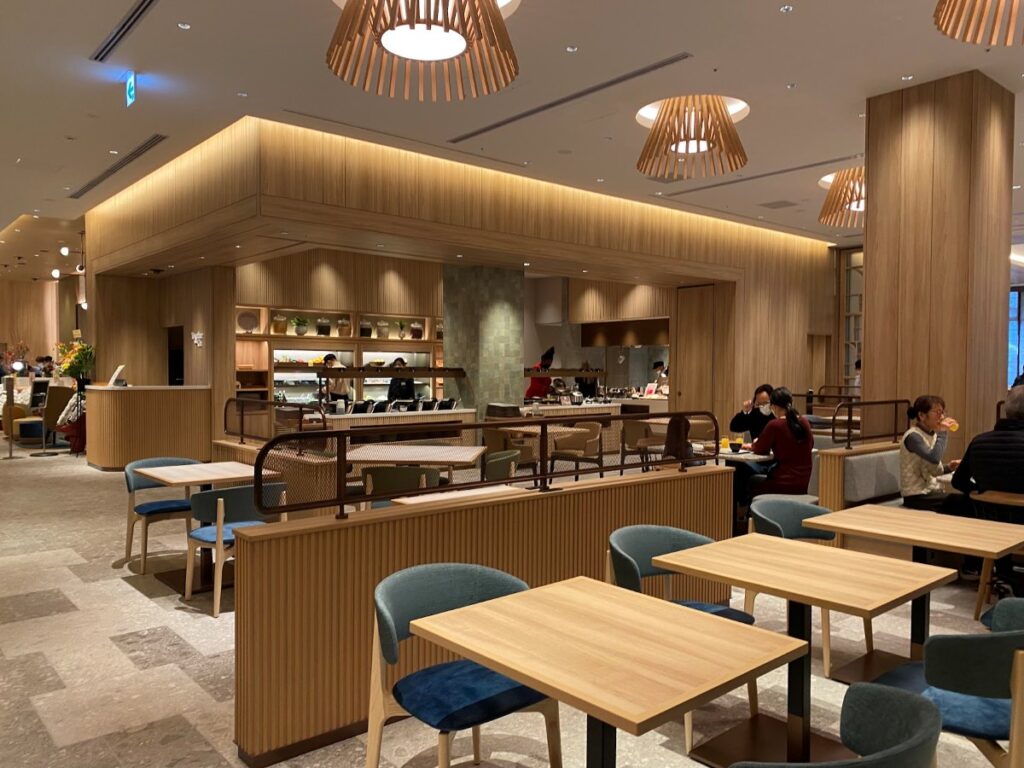
If you want to compare a few other options, here are some worth considering:
- Cross Hotel Kyoto: Our pick for travelers who want to be right in the middle of everything. It’s in the Kawaramachi-Sanjo area near restaurants, shopping, Pontocho and the Kamo River, while still making it easy to reach Gion and other parts of Kyoto.
- Mitsui Garden Hotel Kyoto Shinmachi Bettei: A good option if you’d rather have a quieter place to come back to at the end of the day. It’s located along historic Shinmachi-dori and has a more peaceful atmosphere, including a public bath that’s probably pretty appealing after a full day of walking around Kyoto.
- MIRU Kyoto Gion: If staying in Gion itself is part of the experience you’re looking for, this small boutique hotel puts you right in the historic neighborhood. With only a small number of rooms, it’s a more intimate option than one of Kyoto’s larger hotels.
- Shiraume: For a splurge and a more traditional Japanese experience, consider staying in a ryokan. Shiraume is a small luxury ryokan along the Shirakawa Stream in Gion and is a great option if you want your accommodations to be part of the Kyoto experience rather than simply somewhere to sleep.
You can also stay closer to Kyoto Station, particularly if you’re planning several day trips by train (we loved the train). But for a first visit focused primarily on exploring Kyoto, we’d lean toward the Kawaramachi, Sanjo or Gion areas.
Tips for Planning a Fall Trip to Kyoto
If you’re planning your own fall trip to Kyoto, there are a few things I’d keep in mind. Aim for later in November if fall foliage is one of the main reasons for your trip, while remembering that peak color changes every year. Fall is also a popular season in Kyoto, so book your hotel early and try to start your day early when visiting popular attractions like Arashiyama.
I’d also avoid planning every minute of the trip. Some of our favorite experiences were simply walking around, eating and taking in Kyoto, so leave yourself some time to explore without a strict itinerary. And definitely bring comfortable shoes — this is a destination where you’re going to want to do a lot of exploring on foot.
Why Fall in Kyoto Is So Special
Looking back at our time in Japan, I’m really glad we made Kyoto part of the trip. I obviously loved the fall colors and finally getting to see the Arashiyama Bamboo Forest in person, but I also loved the smaller things, like trying matcha and different foods and just seeing a part of Japan that felt so different from everywhere else we visited.
And as someone from New York who normally thinks of fall as an October thing, there was something pretty cool about walking around Kyoto toward the end of November and still getting those fall vibes. We may have been a little early for peak foliage, but I’d take another late-November fall day in Kyoto anytime.