Buenos Aires was one of those places that felt familiar and completely new at the same time. When I visited for the first time, I only had two days. It wasn’t nearly enough to see everything, but it ended up being enough to understand the city’s personality. Instead of trying to check off as many sights as possible, I kept things open and let the experience come together on its own.
Affiliate Disclosure: Some of the links on this site are affiliate links. This means we may earn a small commission at no extra cost to you if you make a purchase through them. Read the policies to know more.
Day 1 in Buenos Aires: Architecture, Green Spaces, Food, and Culture
Architecture & Green Spaces
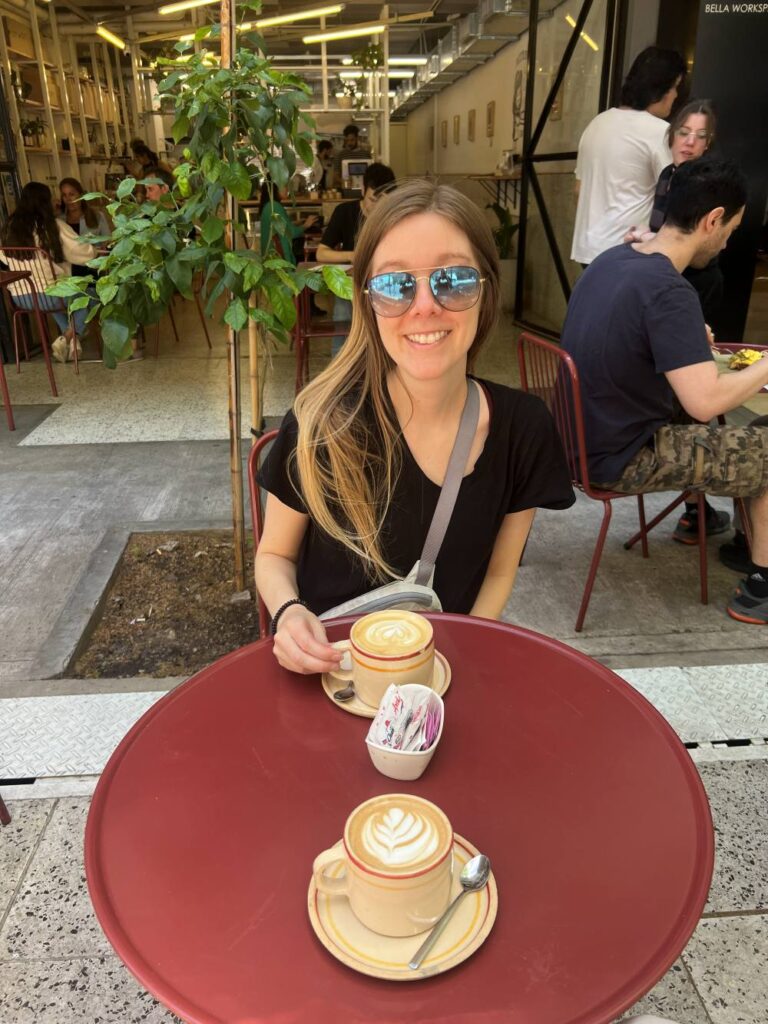
I started my first day slowly, found a small café, grabbed a table outside, and spent some time just sitting there.
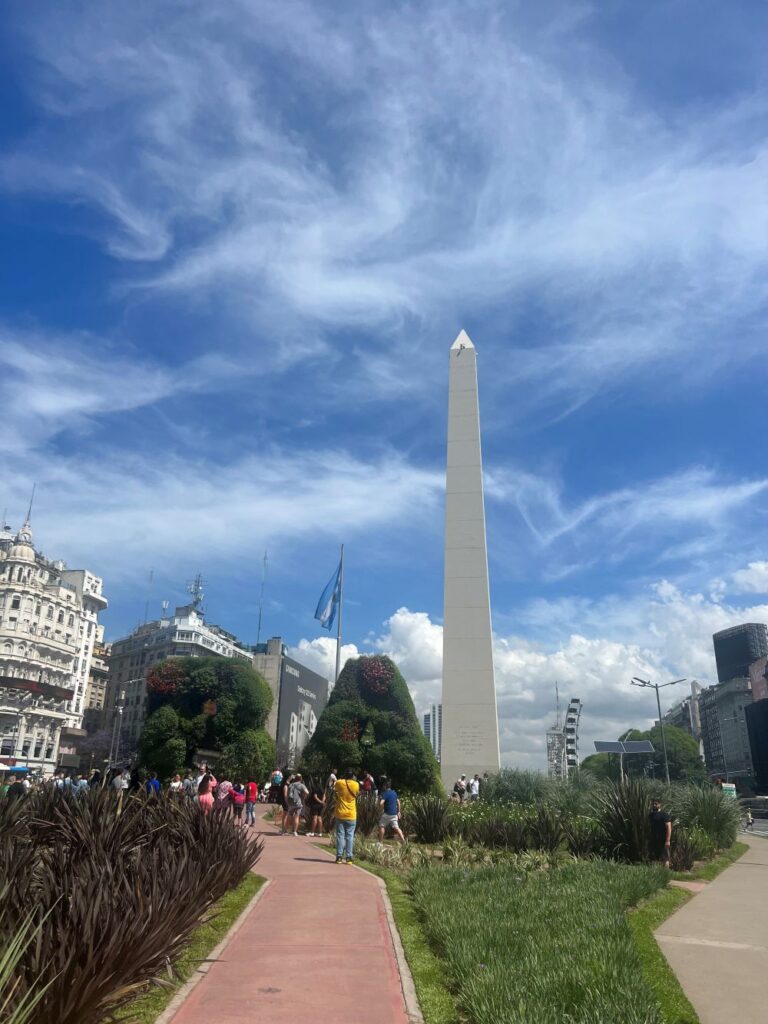
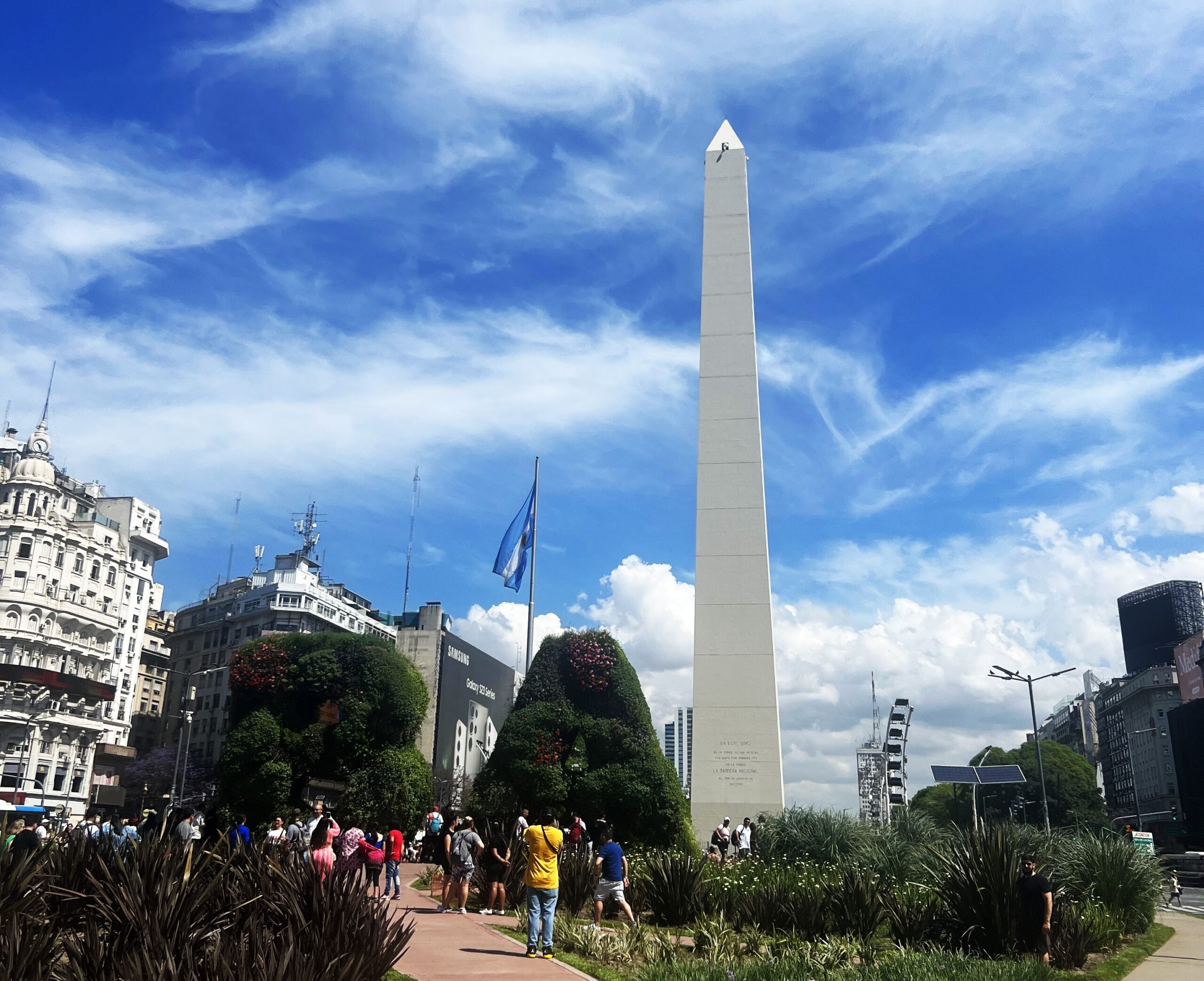
From there, I started walking without a strict route, making my way through neighborhoods like Recoleta and Microcentro. The architecture stood out instantly. Wide boulevards, detailed facades, and historic buildings gave parts of the city a distinctly European feel.
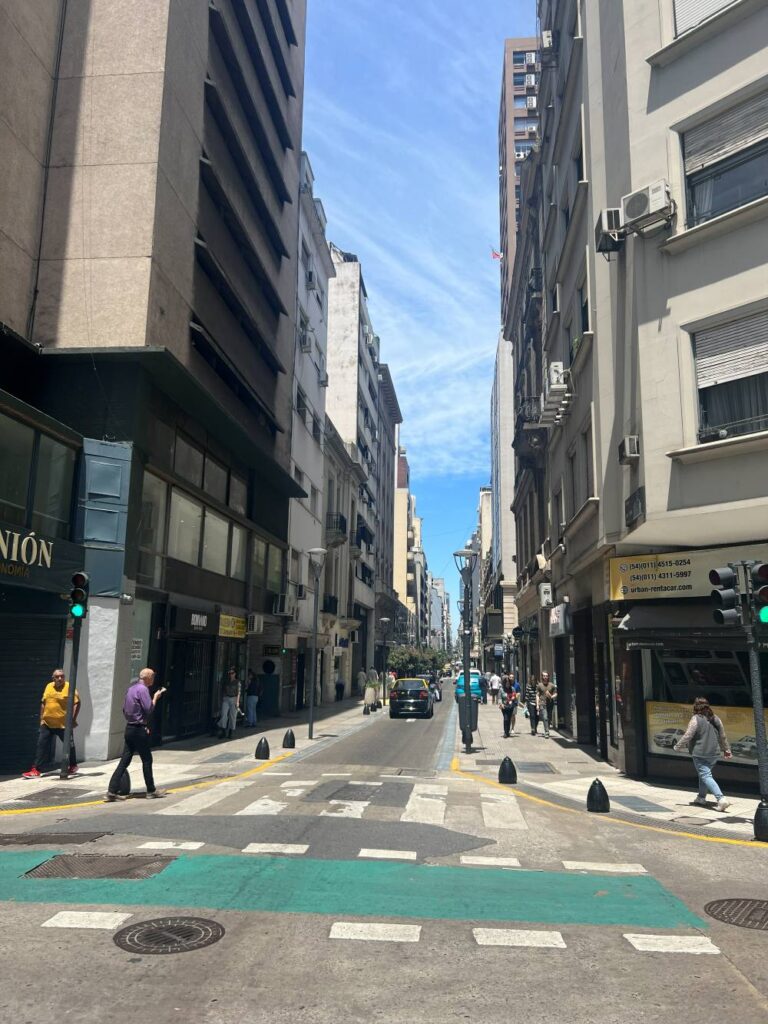
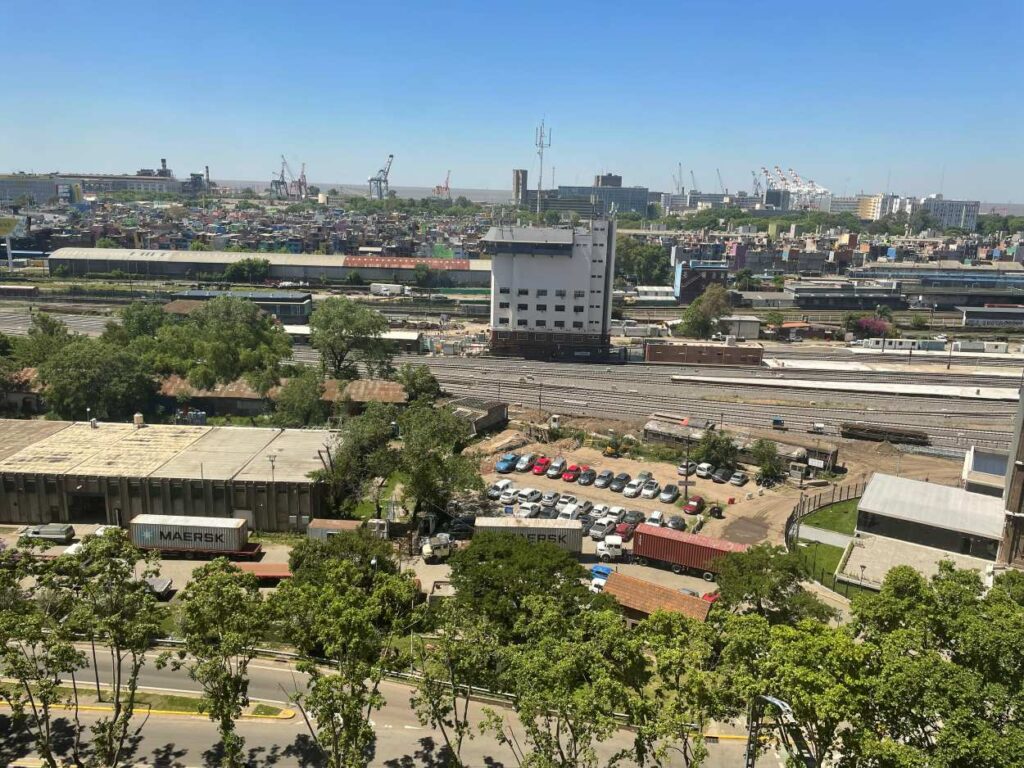
What made the biggest impression wasn’t the major landmarks. It was everything in between. Worn wooden doors, iron balconies, faded details on old buildings, and quiet side streets that felt like they hadn’t changed in decades. I let myself wander without paying much attention to directions.
One thing that became clear as I walked was how naturally history blends into daily life here. These aren’t preserved buildings sitting behind barriers. People live in them, work in them, and pass through them every day. It gives the city a sense of authenticity that’s hard to replicate.
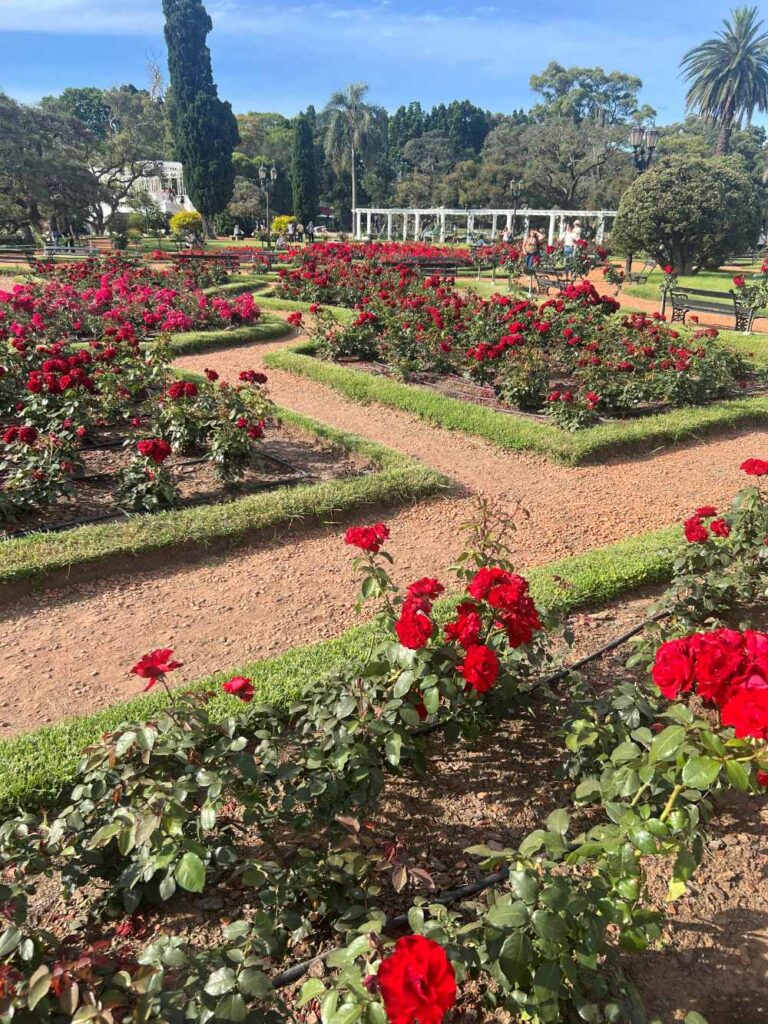
At some point, I shifted gears and headed toward Parque El Rosedal in Palermo. The change in atmosphere was immediate. The city opened up, the noise softened, and everything felt calmer. I spent some time walking through the park, crossing small bridges, and eventually sitting near the water for a while.
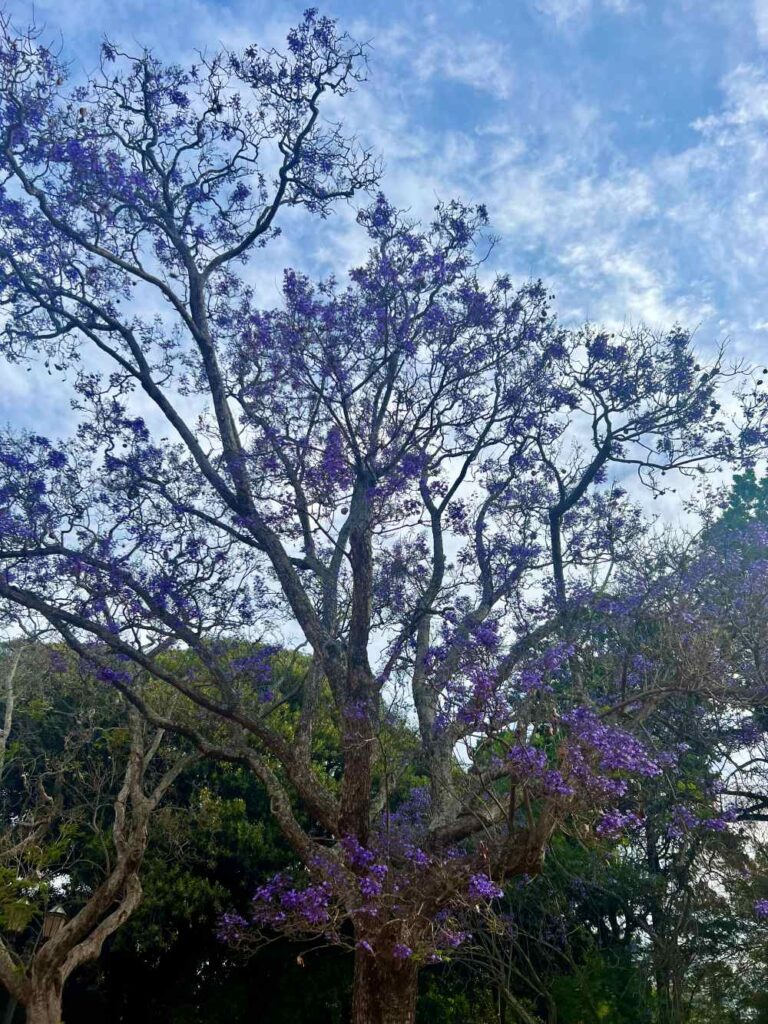
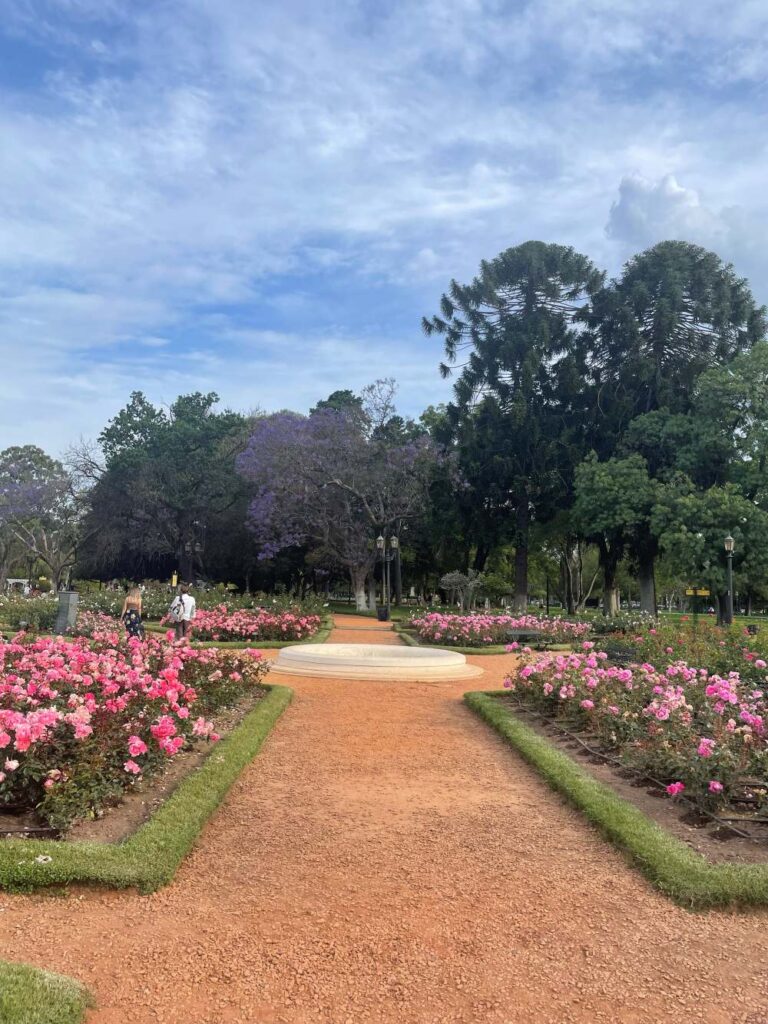
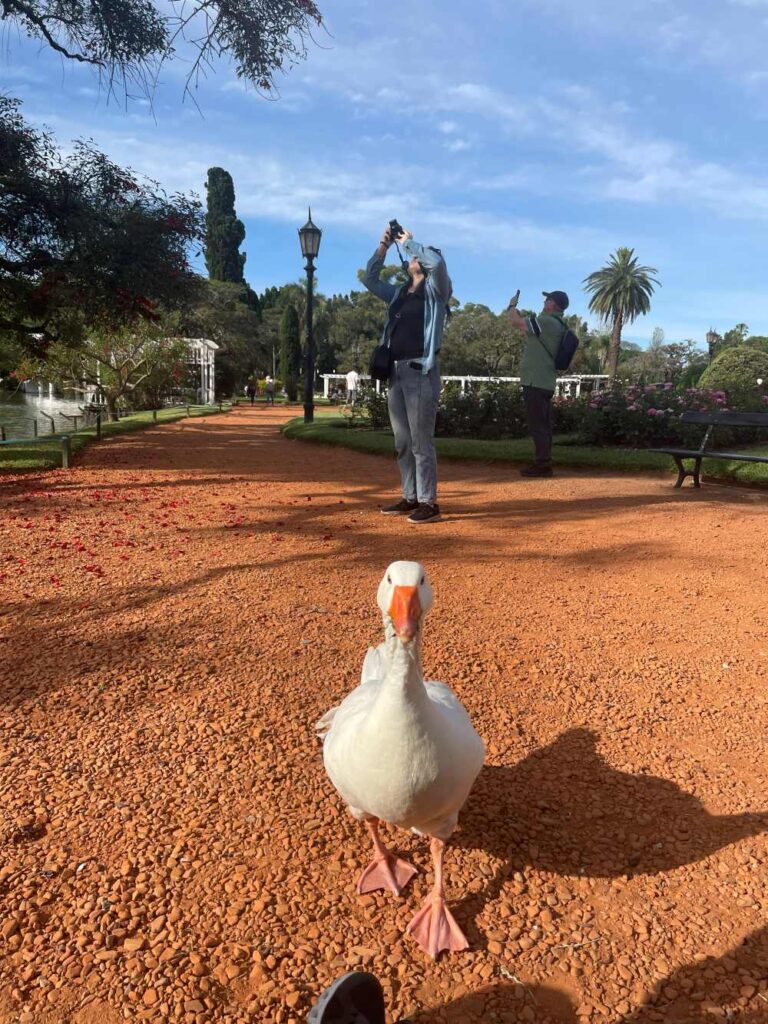
After that, I stayed in Palermo for a few hours. The neighborhood had a completely different energy compared to other parts of the city. It felt more modern and creative, with street art, smaller boutiques, and a steady mix of locals and visitors.
Food & Culture
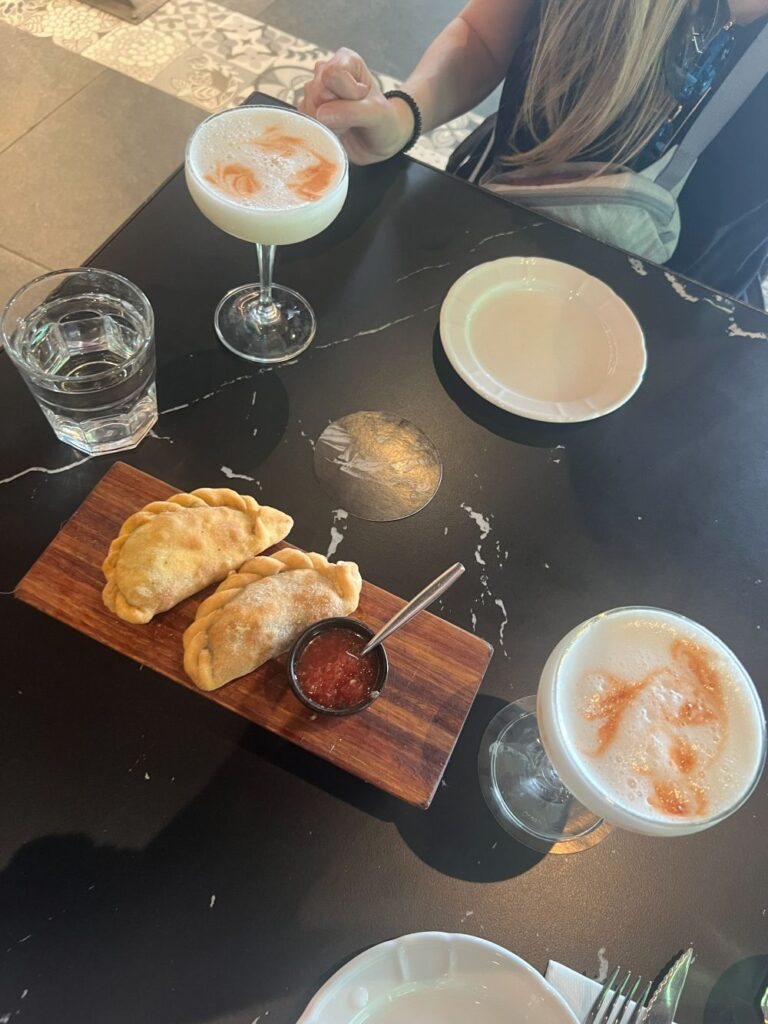
Food and wine started to become a bigger part of the experience as the day went on. Buenos Aires has a reputation for its food, and it lives up to it. The quality stands out, especially when it comes to steak and wine. Argentine wine, particularly Malbec, shows up everywhere, and it’s consistently good, and pairs perfectly with a delicious Argentinian steak.
That night, I booked a tango experience that included dinner, and it ended up being one of the highlights of the trip. The meal itself was excellent, but what made it memorable was how naturally everything flowed into the performance.

The tango didn’t feel forced or overly theatrical. It felt expressive and real. The connection between the dancers, the music, and the setting made it easy to stay engaged the entire time.
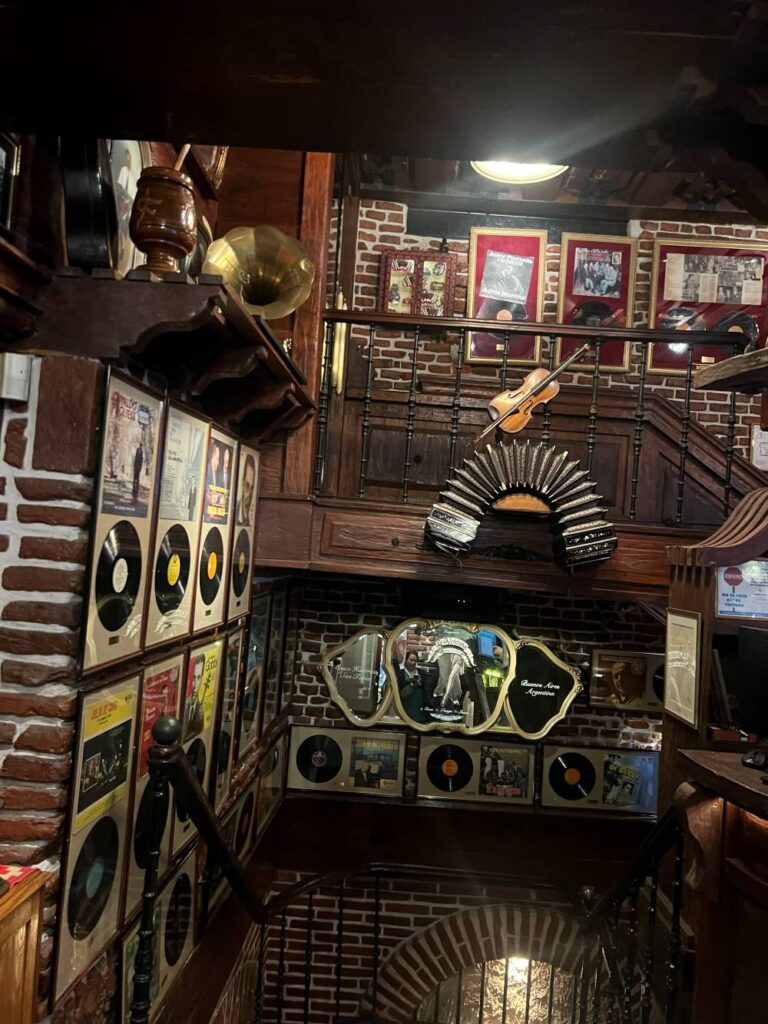
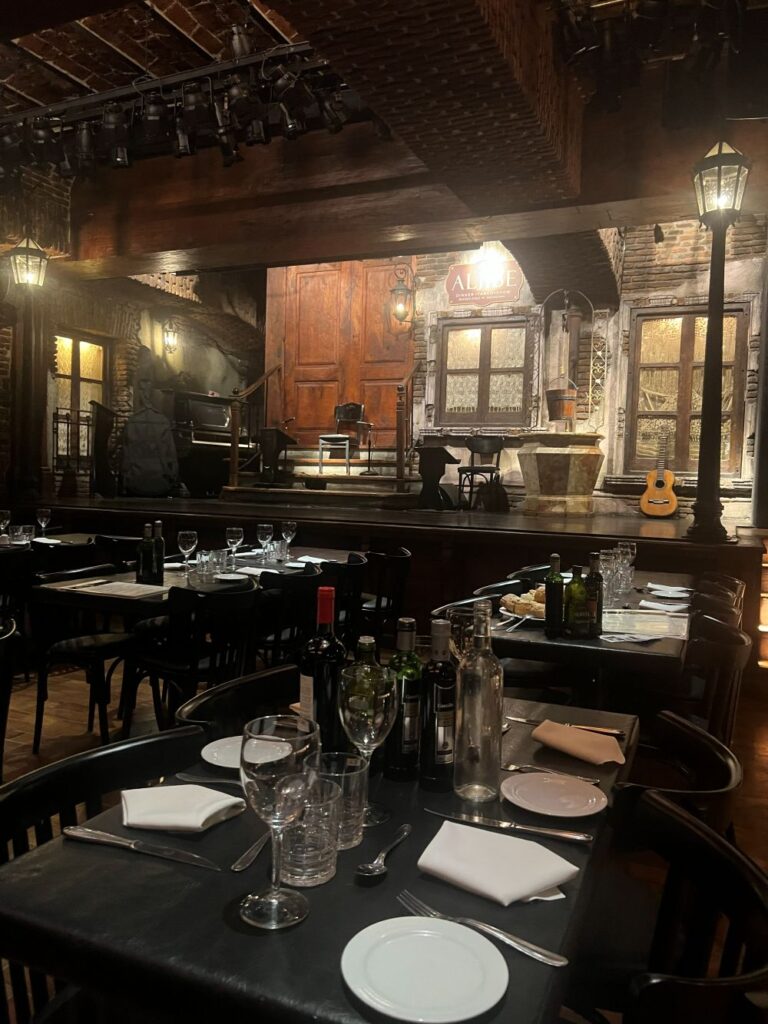
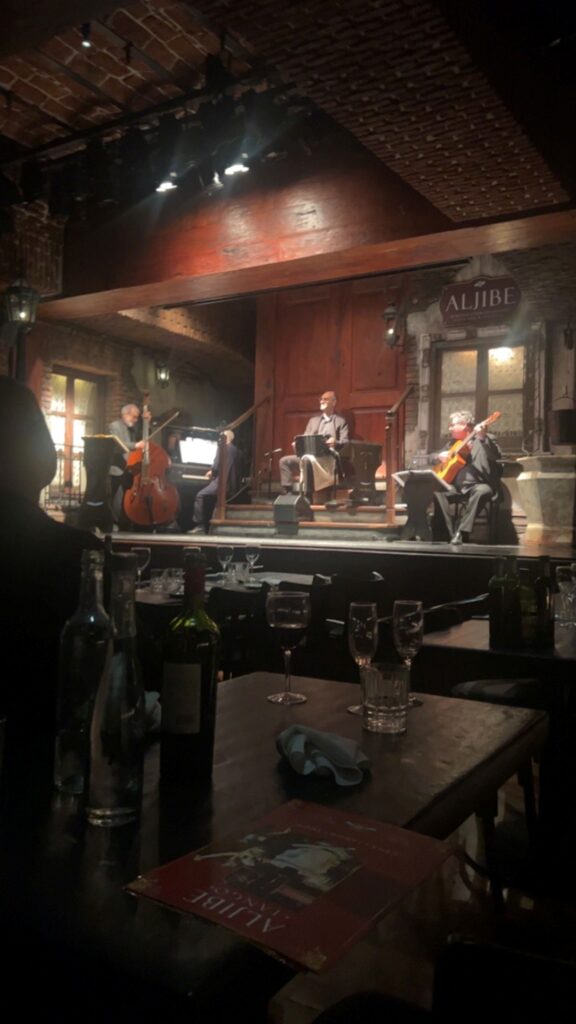
It also gave context to something I had only really heard about before arriving. Seeing it in person made it clear why tango is such an important part of the city’s identity.
Day 2: Football, Energy, and Everyday Life
My second day ended up being centered around football, which is impossible to ignore in Buenos Aires. If you happen to be there when a match is happening, it’s worth going, regardless of who’s playing.
I was lucky enough to attend a match between Argentina and Uruguay, and even more surreal, Lionel Messi was playing. That alone made it feel like a once-in-a-lifetime experience, but what stood out even more was everything happening around it.
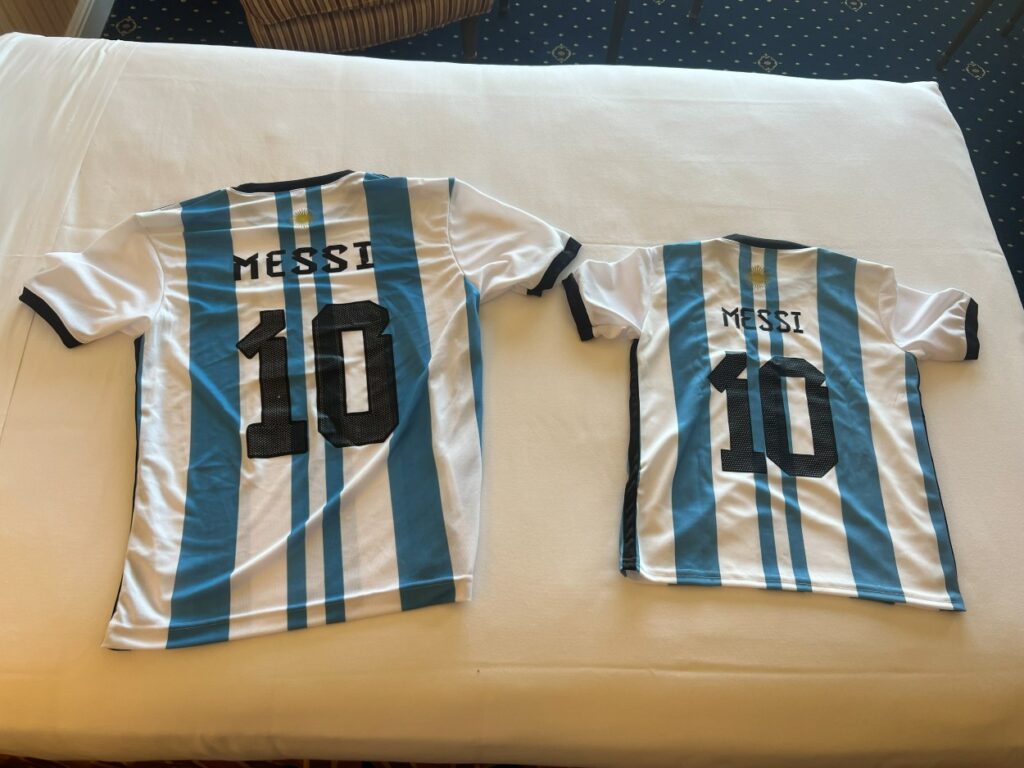
The energy started well before the game. Streets near the stadium were already full, with fans gathering, singing, and building anticipation hours ahead of kickoff. It felt less like heading to a game and more like being pulled into a city-wide event.
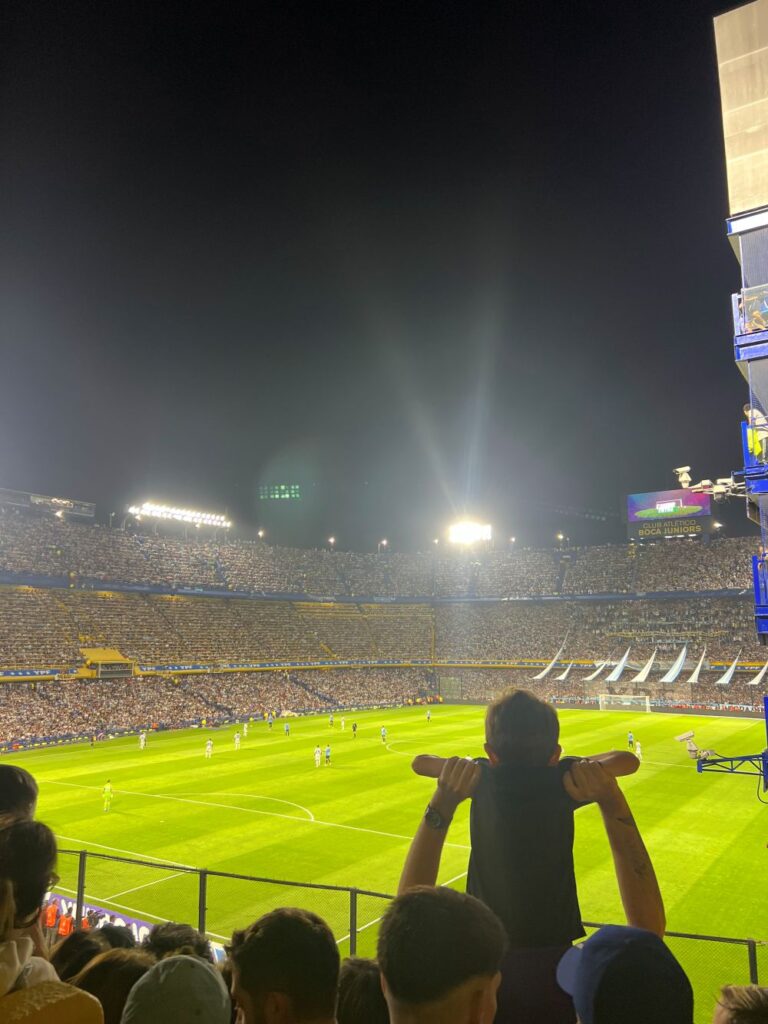
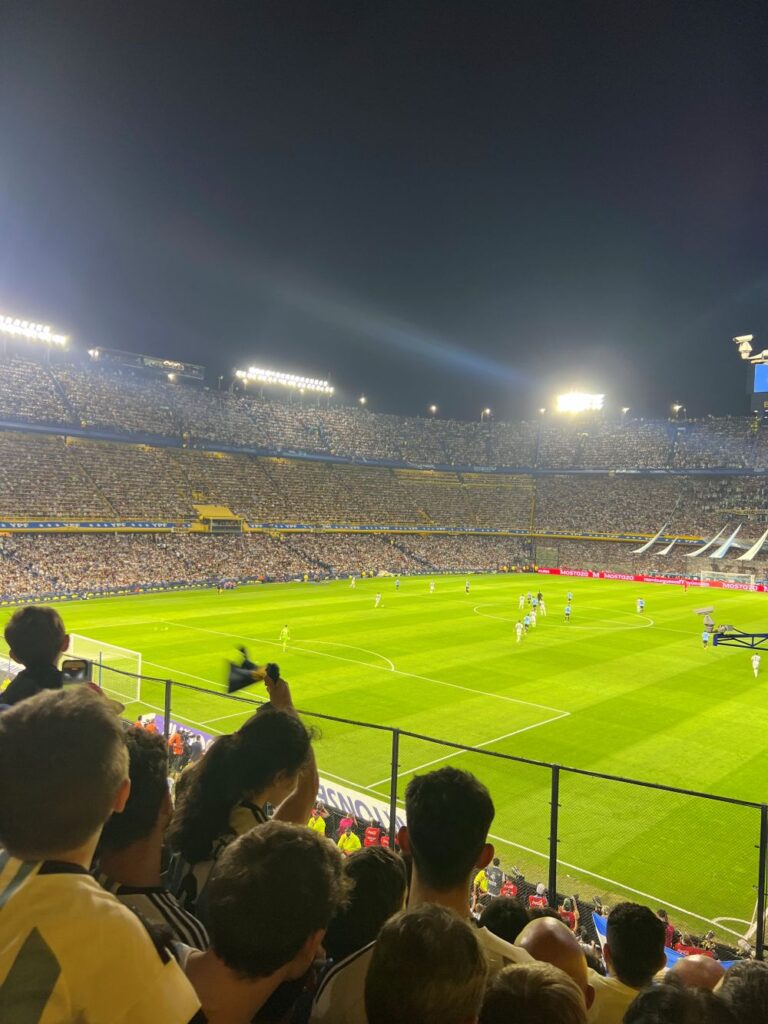
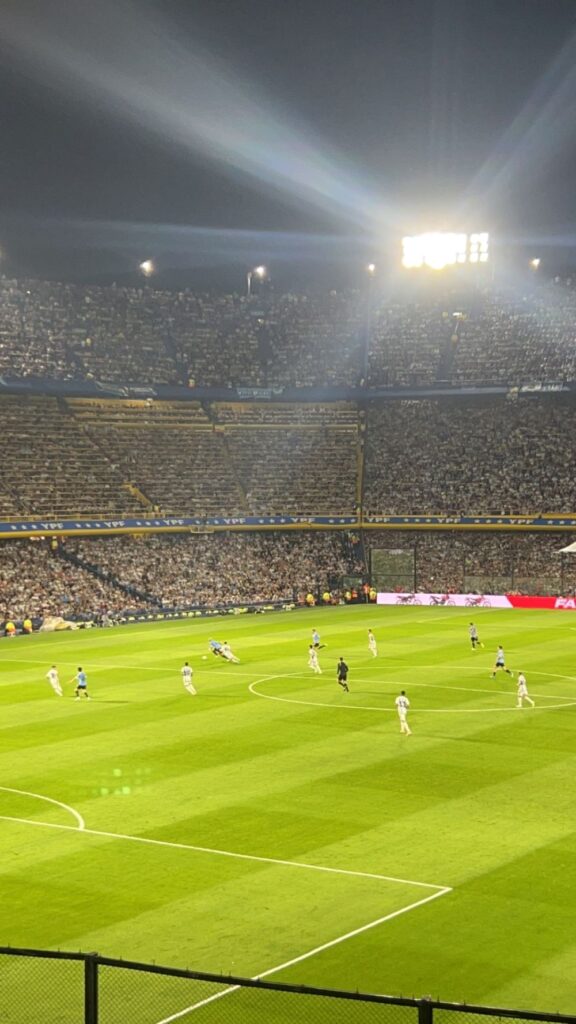
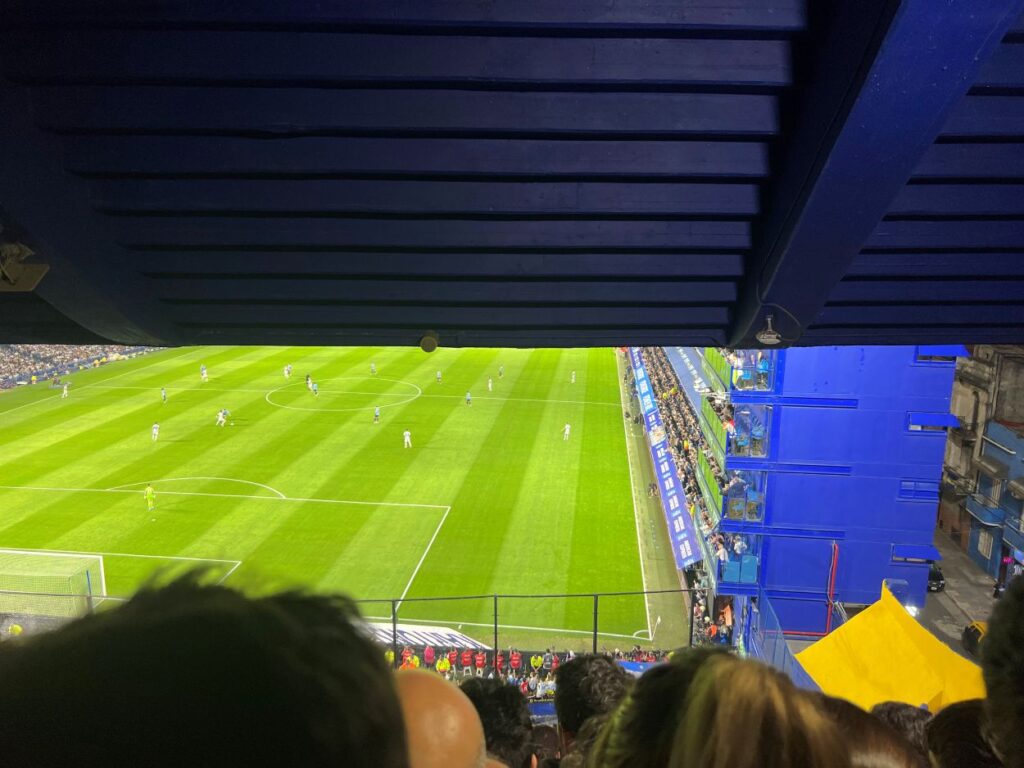
Once inside, the atmosphere completely took over. The noise, the chanting, the constant movement, it never really stopped. Everyone was involved in some way. Even if you weren’t focused on the match the entire time, the energy around you kept you engaged.
Of course, seeing a player like Messi live added something special. But honestly, even if you can’t watch a specific player, or even if it’s not a major rivalry or international match, the experience is still worth it. The crowd, the emotion, and the sense of unity make it memorable on their own.
After the match, I didn’t leave right away. Most people didn’t. Fans stayed outside, talking, celebrating, and reminiscing moments from the game. It felt like a continuation rather than an ending.
There’s a rhythm to Buenos Aires that you don’t really notice at first. People take their time. Conversations last longer. Meals aren’t rushed.
Practical Notes for 2 Days in Buenos Aires
Getting around was straightforward. I walked most of the time, especially in neighborhoods like Recoleta and Palermo. When I needed to go farther, taxis and ride-sharing apps were easy to find and affordable.
Like any large city, I stayed aware of my surroundings, particularly in crowded areas and at night. It never felt overwhelming, just something to be mindful of.
Spanish is the primary language, and while I came across English in some places, knowing a few basic phrases helped a lot with everyday interactions.
Cash ended up being more useful than I expected, so it’s worth planning for that in advance.
Why 2 Days in Buenos Aires Worked
Two days wasn’t enough to see everything, but it gave me a clear sense of what makes Buenos Aires stand out. The architecture, the neighborhoods, the food, the parks, and the culture all felt connected rather than separate experiences.
It’s not built around efficiency or trying to fit as much as possible into a short time. It’s built around enjoying where you are, whether that’s sitting at a café, walking through a neighborhood, or staying a little longer than planned over a meal.
What stayed with me after leaving wasn’t just what I saw. It was how the city felt while I was there, and how easily it pulled me into its rhythm without trying too hard.